Sneaker OEM Warranty and Returns Policy for Europe Buyers
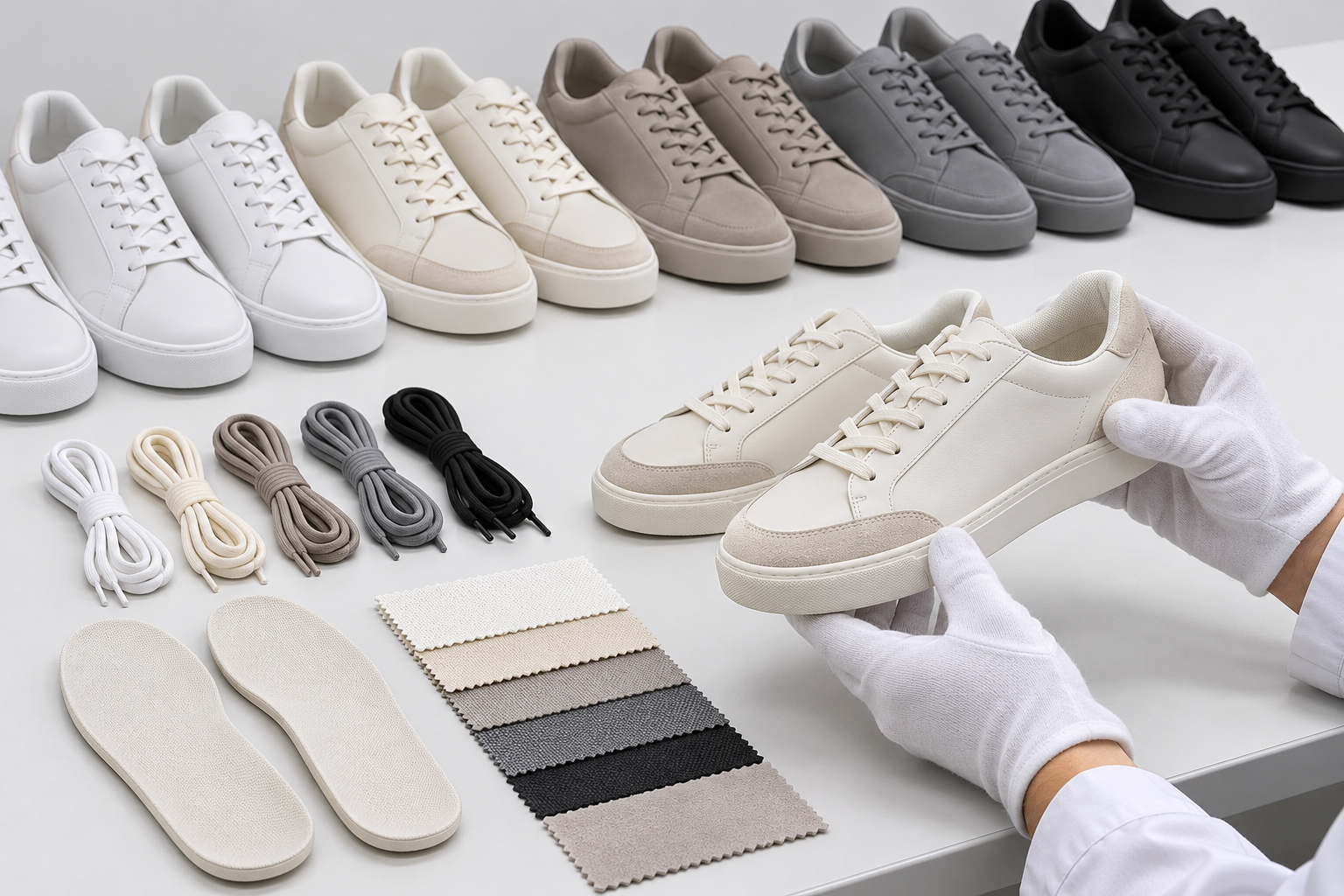
When a sneaker order reaches your warehouse in Europe, the question is rarely whether a single pair looks right. The question is what happens next when a seam opens, a sole separates, a colour varies from the approved sample, or a size run arrives with a repeated fault. A clear agreement made before production gives both sides the same reference point. Without that agreement, each return becomes a separate negotiation, and the cost of inspection, storage, rework and replacement stays unclear until the problem has already arrived.
This article explains how to build a sneaker OEM warranty and returns policy as a procurement document, not as a sales promise. It covers the terms to agree, the way to define a defect, the records to keep, and the return flow to follow when a fault is found. The focus stays on the buyer decision: what to ask for, what to record, and what to approve in writing before production starts, so that a claim can be checked against the same sample, specification and inspection record that both sides accepted.
Warranty and Returns Policy Terms to Agree for Europe
A warranty and returns policy for Europe needs to name the products it covers, the parties who can raise a claim, and the point at which responsibility moves from the supplier to the buyer. Start with the product description, the approved sample reference, the size range, the colour reference and the packaging description that were agreed before production. If the policy refers to a sample, keep that sample accessible and record its reference in the order documents so that a later comparison uses the same item, not a memory of it.
Agree the scope in plain terms. State which types of fault fall inside the policy and which conditions fall outside it, using descriptions that an inspector can apply without guessing. A fault description should point to a visible or functional change that can be photographed, compared with the agreed specification, or shown on the approved sample. Avoid general wording that leaves the decision to opinion. When a term is open to more than one reading, add an example of what it covers and an example of what it does not cover, so that both sides apply the same test.
Delivery country matters for the way a policy is applied, even when the product and the supplier stay the same. Ask the supplier to confirm, in writing, how the agreed terms apply in each delivery country, including any difference between EU, EEA and UK delivery addresses, and ask for the confirmation to name the country it covers. Do not assume that a term agreed for one delivery address applies in the same way in another. Keep the confirmation with the order documents and refer to it when a claim is raised, so that the discussion starts from the agreed wording for that delivery.
How to Define a Defect Before Production Starts
A defect is easier to handle when it is defined before production than when it is debated after delivery. Use the approved sample and the written specification as the reference. Describe the construction, the materials, the stitching, the bonding, the sole attachment, the lining, the laces, the eyelets and the finish that were approved, and note the inspection points that will be used on arrival. A clear description lets an inspector separate a single random fault from a repeated fault that points to a production issue.
Agree how a fault will be recorded. Ask for photographs that show the fault, the pair, the size marking and the packaging, and ask for a short written note that records when the fault was found, how many pairs show the same fault, and whether the fault appears in one size or across the size range. Keep the faulty pairs aside and keep the packaging with them until the supplier has confirmed how to proceed. This record protects both sides, because it shows what was found, when it was found, and what was kept for further checking.
Agree the inspection stage at which a fault counts for a claim. Some faults are visible on arrival, while others appear only after the shoes have been handled, tried on, or stored for a short period under normal conditions. State the inspection stages in the policy and state who carries out each stage. If a fault is found at a later stage, the record should show the stage, the handling since arrival, and the storage conditions, so that the supplier can review the same facts that the buyer relied on.
Sneaker Manufacturing Records That Support a Warranty Claim
Manufacturing records turn a claim into a checkable file. Ask the supplier to keep a record for each production batch that links the batch to the approved sample, the agreed specification, the materials used, the production reference, and the inspection result for that batch. The buyer should keep the matching order record, the delivery record, and the arrival inspection record. When the two sets of records use the same batch reference, a claim can be traced to the production run that made the shoes.
Agree what the supplier will send with the shipment and what will be kept available on request. A packing record, a batch reference, a size breakdown and an inspection summary give the buyer a starting point for a claim without asking for information that was never recorded. Ask the supplier to confirm which records will be available after delivery and for how long they will be kept, using the agreed retention description in the order documents rather than a general assurance.
Keep the approval record as part of the file. When a sample is approved, record the approval reference, the person who approved it, and any change that was requested before approval. If a change was made after approval, record the change, the revised sample reference, and the new approval. A claim that refers to a changed sample should be checked against the revised approval, not against the earlier version that was replaced.
Returns Handling, Evidence and Replacement Flow
A return flow should state who to contact, what information to send, and what happens to the goods while the claim is reviewed. Name a single contact point for claims, state the information that must be included in the first notice, and state whether the buyer should hold the goods, return a sample of the faulty pairs, or return the full affected quantity. Do not ship goods back before the supplier has confirmed the return address, the return method, and the handling of the returned stock.
Agree the options that follow a confirmed fault. The policy should list the possible outcomes, such as repair, replacement, rework, credit, or a further production run, and state who decides which option applies and on what basis. The decision should follow from the fault description, the number of affected pairs, and the inspection record, not from a separate discussion that starts after the fault is found. Record the agreed outcome in writing before any replacement or rework starts.
Agree how replacement stock will be checked. Replacement pairs should be inspected against the same approved sample and the same specification as the original order, and the inspection result should be recorded in the same way. If replacement stock is made in a new batch, record the new batch reference and link it to the original claim, so that the file shows the fault, the outcome, and the replacement that followed.
Buyer Decision Table for a Sneaker OEM Warranty and Returns Policy
Use the table below to compare the points that need agreement before you place an order. Each row names a decision, the agreement to seek, and the check the buyer can apply when the order arrives.
| Decision point | What to agree before ordering | Buyer check on arrival |
|---|---|---|
| Claim scope | Products, sizes and fault types covered, with examples of what is inside and outside the policy | Compare the delivery against the approved sample and the written specification |
| Defect definition | Visible and functional fault descriptions that an inspector can apply without guessing | Record each fault with photographs, size marking and a written note |
| Evidence and records | Batch reference, inspection summary and approval record to be kept with the order file | Check that the batch reference on the delivery matches the order record |
| Return flow | Contact point, first notice information, and whether to hold or return the affected pairs | Hold faulty pairs with packaging until the supplier confirms the next step |
| Outcome after a confirmed fault | Options for repair, replacement, rework or credit, and who decides which option applies | Record the agreed outcome in writing before replacement or rework starts |
| Replacement inspection | Inspection of replacement pairs against the same sample and specification | Inspect replacement pairs and link the new batch reference to the original claim |
What to Put in Writing Before You Approve Production
Put the policy in the order documents, not in a separate message that can be lost. The order should name the policy version, the approved sample reference, the specification reference, the batch reference, the delivery addresses, and the contact point for claims. If the supplier sends a revised policy, record the revision and confirm in writing which version applies to the order in hand. A single file that holds the order, the sample approval, the specification and the policy makes a later claim faster to review.
Ask the supplier to confirm the policy in writing before production starts, and keep that confirmation with the order. The confirmation should state that the supplier has read the policy, that the terms apply to the order, and that any exception has been listed. If an exception is listed, record it as a separate term and check whether it changes the inspection plan, the return flow, or the replacement option. Do not proceed on an unwritten understanding when a written confirmation is available.
Review the policy when the product changes. A change in materials, construction, sole type, lining, colour or packaging can change the way a fault is defined and the way a claim is checked. When a change is proposed, ask for a revised sample, a revised specification, and a note on whether the warranty and returns policy needs a revised term. Approve the change in writing and link the approval to the new sample reference before production of the changed product starts.
RFQ Checklist
- Ask the supplier to confirm the warranty and returns policy in writing for the exact sneaker specification, sample reference and delivery countries in the order.
- Require the supplier to define each covered fault type with visible examples and to state which conditions fall outside the policy.
- Specify the batch reference, inspection summary and approval record that must accompany each delivery and be kept available after delivery.
- Ask the supplier to name the claims contact point, the information required in the first notice, and whether faulty pairs should be held or returned.
- Require the supplier to state the outcome options after a confirmed fault and who decides between repair, replacement, rework or credit.
- Specify how replacement pairs will be inspected against the approved sample and how the new batch reference will be linked to the original claim.
Discuss Your Requirements
Review our manufacturing capabilities, then share your specifications for a supplier-fit review.