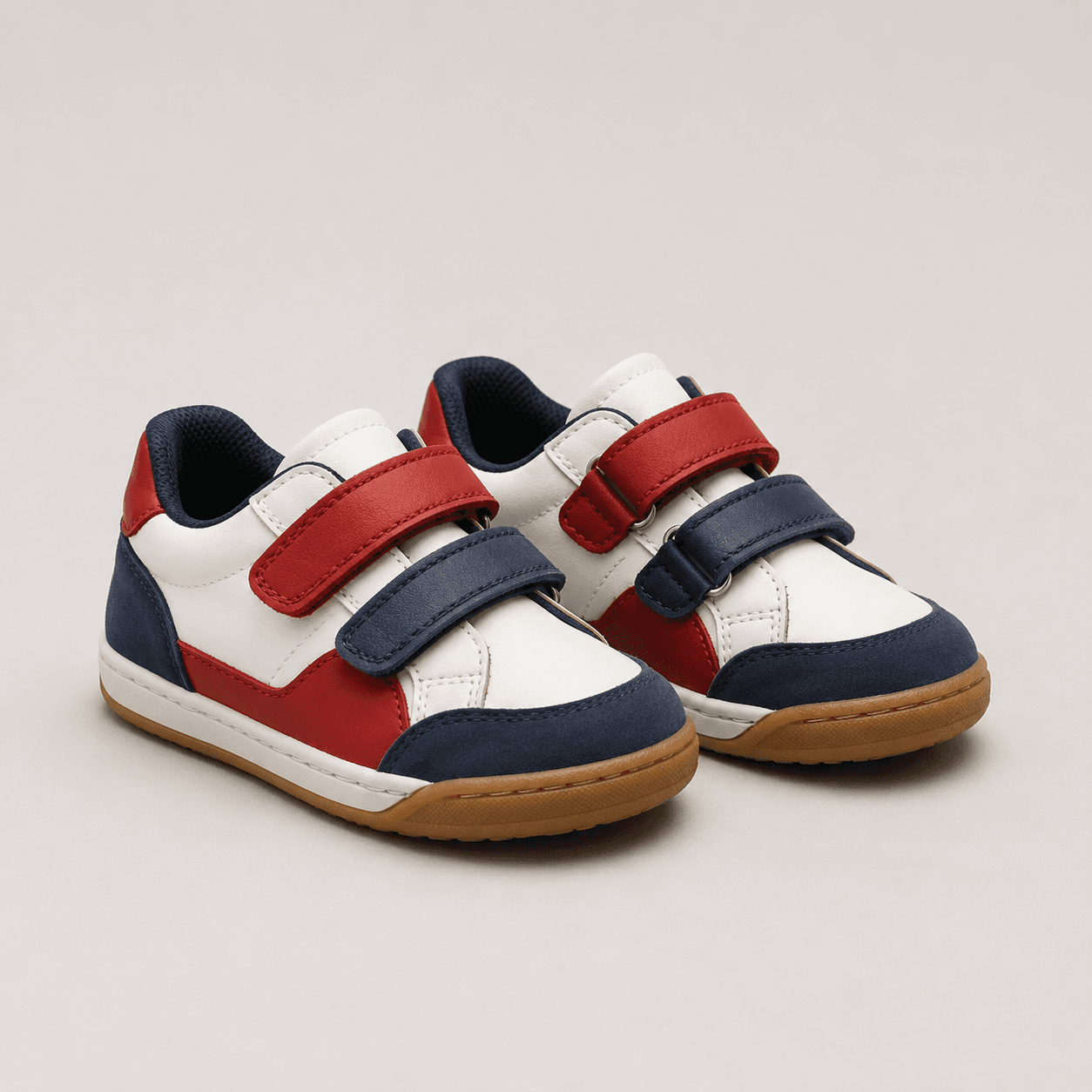
AQL for shoes is the sampling method buyers use to decide whether a finished footwear lot can ship. It does not mean every pair is inspected. It means a defined number of pairs is pulled at random, defects are classified, and the lot passes or fails against agreed acceptance numbers.
For sourcing managers, brand owners, and importers buying from China, AQL is a practical release control. A production lot may be 1,200 pairs of leather loafers, 5,000 pairs of EVA slides, or 24,000 pairs of vulcanized canvas sneakers. A 100 percent check can add 2-6 working days and $0.25-$1.50 per pair, depending on construction and packing. AQL gives both buyer and supplier a faster way to control bulk shoe inspection without pretending the process is risk-free.
The footwear AQL standard only works when it is written in footwear terms. A loose thread on a tongue label is not the same as outsole delamination, a wrong EU/US size conversion, failed EN ISO slip resistance, excessive chromium VI, or a 5 mm insole length error. Good shoe quality inspection starts with a defect classification footwear teams can apply consistently at the inspection table.
AQL for shoes is useful only when the buyer has already defined what a defect means for that construction, price point, and sales channel.
What AQL Means for Footwear Orders
AQL stands for acceptance quality limit. In footwear sourcing, acceptance quality limit shoes criteria define the maximum number of defects allowed in an inspected sample before a lot is rejected. Most third-party inspection firms use ISO 2859-1 or ANSI/ASQ Z1.4 sampling tables, then apply the buyer's footwear-specific defect list.
AQL is not a replacement for a tech pack. The tech pack defines the shoe: 1.2-1.4 mm cow suede upper, 180 GSM polyester mesh lining, 4 mm open-cell PU sock foam at 45 kg/m3 density, 1.6 mm cellulose insole board, 55 Shore A rubber outsole, 6-8 stitches per inch on the vamp, and ASTM D5963 or DIN abrasion targets. AQL defines how many finished pairs are checked and how many critical, major, and minor defects can be accepted in that sample.
This matters because footwear disputes are often about thresholds. The supplier may say the shoes are wearable and match normal factory output. The buyer may reject because the vamp stitch margin varies by 4 mm, the left and right quarters show shade difference below grey scale grade 4, or the outsole logo is 6 mm off center. AQL is useful only when the PO, sealed sample, size set, material cards, lab reports, and defect list point to the same standard.
- The inspection lot should normally be one PO, style, color group, and shipment batch unless the buyer approves a different grouping.
- The sample size is selected from the lot quantity and inspection level, commonly General Inspection Level II for final workmanship inspection.
- The acceptance number is the maximum defect count allowed for a defect class.
- The rejection number is the count at which the sampled lot fails.
- Critical defects are usually set at AQL 0.0, meaning no critical defect is accepted in the sample.
AQL Is a Shipment Release Tool
A passed AQL inspection means the sampled result falls within the agreed limit. It does not prove that every carton is defect-free. It gives the buyer a documented basis for release, rework, reinspection, discount negotiation, or shipment hold.
For example, a 10,000-pair sneaker order inspected at General Level II may require a 200-pair sample. At AQL 2.5 for major defects, the lot may accept up to 10 major defects and reject at 11. If the inspector finds three open seams, four heavily wrinkled vamps, two wrong size labels, and two outsole bonding gaps in the forepart flex zone, the major count reaches 11 and the shipment fails. The decision is no longer a general complaint about workmanship; it is the agreed counting rule.
Why Shoes Need Footwear-Specific Rules
A shoe passes through cutting, skiving, stitching, lasting, cementing, injection, vulcanizing, finishing, packing, and sometimes waterproof or safety assembly. One pair can include leather, synthetic PU, textile, toe puff, counter, shank, eyelets, lace, adhesive, sock foam, outsole compound, carton labels, hangtags, and retail packaging. A generic inspection checklist misses the failure points that cause returns.
A 2 mm cement gap on a disposable hotel slipper may be minor if it sits outside the flex zone and the FOB is $1.20 per pair. The same gap on a $38 FOB hiking boot or running shoe forepart is a major defect because it can open during flexing. AQL for shoes must be tied to construction, retail channel, test claims, and price point.
How AQL Sampling Works in a Shoe Factory
A final random shoe quality inspection normally starts when 100 percent of production is finished and at least 80 percent is packed. For retailer programs, the better requirement is 100 percent finished and 100 percent packed, with shoeboxes, stuffing paper, hangtags, barcode labels, silica gel, size stickers, polybag warnings, and master carton marks completed.
The inspector first checks the packing list against the PO. If the order is 6,000 pairs of women's loafers across black, tan, and burgundy, the carton count, size ratio, color ratio, and shipment split must match. Cartons should be selected from different pallet positions, warehouse rows, and production dates, not only from the clean front row prepared for inspection.
Pairs are then pulled according to the sample size code letter in the AQL table. The inspector checks workmanship, measurements, pair matching, fitting points, packing, labeling, carton assortment, and agreed on-site tests. For footwear, this means left-right symmetry, outsole bonding, heel height, toe spring, last conformity, logo placement, lace length, zipper function, sock label position, and carton marking accuracy.
- 01Define the lot by PO, style, color, size range, factory batch, and delivery schedule.
- 02Select the inspection level, usually General Level II for workmanship and Special Levels for destructive or time-consuming checks.
- 03Apply the agreed AQL limits for critical, major, and minor defects.
- 04Randomly select cartons across pallets, sizes, colors, and packing dates.
- 05Inspect against the sealed sample, tech pack, size spec, packaging spec, test plan, and regulatory marks.
- 06Record defects with photos, quantity, size, color, carton number, and severity.
- 07Accept, reject, or hold the shipment pending rework and reinspection.
Common AQL Levels Used by Footwear Buyers
Many mid-market buyers use Critical 0.0, Major 2.5, and Minor 4.0 for casual footwear. Higher-risk programs often use Major 1.5 and Minor 2.5. A low-cost EVA slide or promotional slipper may use Major 4.0 and Minor 6.5 if the buyer accepts a higher cosmetic defect rate for a lower FOB price.
The footwear AQL standard should match the commercial position. A $7.80 FOB vulcanized canvas sneaker with a 20,000-pair MOQ, 45-day production lead time, and simple retail box should not be judged like a $46.00 FOB waterproof hiking boot with membrane claims, molded shank, metal hardware, and EN ISO 20347 or ASTM F2913 slip-resistance references. The inspection plan should reflect risk, not only a buyer's preferred number.
Sample Size Depends on Lot Size and Inspection Level
AQL sample size is calculated from lot quantity and inspection level. A buyer can request tighter inspection or a larger sample, but that requirement should be written before production and included in the inspection booking. More sampled pairs mean more handling, more repacking, and sometimes one extra working day before shipment release.
In China, one inspector can often cover 125-200 pairs per man-day for standard casual shoes. A simple EVA slide with one molded upper, one size label, and one polybag is fast. A leather safety boot with zipper, steel toe cap, puncture-resistant insert, EN ISO marking, multiple hangtags, eyelet pull checks, and carton assortment verification takes longer. The scope affects both cost and lead time.
Typical AQL Settings and Footwear Use Cases
| Category | Common AQL | Footwear Examples | Buyer Notes |
|---|---|---|---|
| Critical defects | 0.0 | Sharp metal inside shoe, wrong safety mark, banned chemical risk, missing legal label | No critical defect should be accepted in sampled pairs. |
| Major defects | 1.5-2.5 | Outsole separation, wrong size, open seam, failed zipper, severe shade mismatch | Use tighter limits for boots, children's shoes, waterproof footwear, and retailer programs. |
| Minor defects | 2.5-4.0 | Small glue mark, loose thread, light packing crease, slight label print offset | Adjust by price point and channel, but define visual zones and allowable mark sizes. |
| Low-risk promotional footwear | Major 4.0 / Minor 6.5 | Basic EVA slippers, shower slides, low-cost event footwear | Only suitable where cosmetic tolerance is accepted and compliance risk is low. |
| High-risk or premium footwear | Major 1.0-1.5 / Minor 2.5 | Leather boots, safety footwear, waterproof hikers, white sneakers | Combine with lab tests, inline inspection, approved materials, and controlled reinspection. |
Defect Classification in Footwear
Defect classification footwear rules convert production problems into critical, major, and minor categories. This is the part buyers must write clearly. AQL cannot work if the inspector must guess whether a cloudy outsole, crooked quarter panel, weak cement line, or 3 mm stitch variation is acceptable.
A critical defect creates safety risk, regulatory failure, or legal non-compliance. Footwear examples include exposed nails or staples inside the shoe, sharp broken eyelets, incorrect protective footwear marking, failed steel toe requirement, missing country of origin, chromium VI above the legal limit, banned azo dye risk, or a missing warning label required by the destination market.
A major defect affects durability, fit, comfort, sellability, or brand presentation. Examples include outsole separation, wrong size marking, left-right color mismatch, poor lasting causing a twisted upper, collapsed heel counter, open seam, wrong logo, missing accessory, cracked PU upper, poor pair matching, incorrect carton assortment, or failed zipper function.
A minor defect is visible but unlikely to affect use or normal retail acceptance at the agreed price point. Examples include a glue stain under 3 mm outside the main visual zone, one loose thread that can be trimmed, light packing crease on leather, slight sock label print offset, or small excess cement on the outsole edge.
Footwear Examples by Area
Upper defects include shade variation, cutting scars, loose grain, puckering, needle holes, low stitch density, uneven topline, wrong perforation, lining wrinkles, tongue skew, and inconsistent collar foam. If the spec calls for 6-8 stitches per inch and production runs at 4 SPI in a stress area, it should be treated as major, not minor.
Bottom defects include outsole contamination, wrong compound color, poor cement bonding, rough buffing visible above the sole edge, weak foxing tape joint, uneven heel seat, incorrect logo depth, outsole size mismatch, and injection bubbles. For EVA, TPR, and rubber, density, hardness, shrinkage, and abrasion performance may need lab support; the final inspection can catch visible symptoms but cannot replace ASTM or EN ISO testing.
Packing defects include wrong barcode, missing desiccant, mold risk from wet cartons, incorrect polybag warning, wrong size ratio, crushed shoeboxes, mixed colors in one carton, and unreadable master carton marks. Importers often treat packing as secondary until a warehouse rejects receiving or a retailer issues chargebacks for label errors.
Measurement and Fit Defects
Shoe measurement is not limited to outsole length. A serious inspection checks insole length, ball girth, instep height, boot shaft height, heel height, platform height, collar opening, shaft circumference, lace length, and pair weight where relevant. Tolerances should be stated in the tech pack. +/- 3 mm is common for many casual shoe dimensions, but boots, children's shoes, and molded footwear often require tighter control.
Fit defects are difficult to catch through final AQL alone because inspectors usually do not conduct wear trials. Buyers should approve the last, size set, and fitting sample before production. If the factory changes sock foam from 4 mm 45 kg/m3 PU to 6 mm 30 kg/m3 foam, changes toe puff stiffness, or substitutes 180 GSM lining with 120 GSM lining, fit can change even when the outside appearance looks acceptable.
Why AQL Matters Before Shipment
AQL protects the buyer before goods leave the factory. Once shoes are loaded into a container, the cost of fixing defects increases sharply. Reworking 600 pairs in Dongguan, Wenzhou, Quanzhou, or Putian before shipment may cost $0.35-$1.20 per pair plus 2-3 working days. Reworking the same goods in a U.S. or EU warehouse may cost $3.00-$8.00 per pair before retailer penalties, missed delivery windows, relabeling fees, and return freight.
For the supplier, AQL creates a defined production target. A factory cannot manage quality against comments like better workmanship or premium finish. It can manage against written limits: no outsole bonding gap over 2 mm in flex areas, no left-right shade difference below grey scale grade 4, no size label mismatch, no failed carton drop test, no metal contamination, and no moisture reading above the buyer's mold-risk limit.
Strong suppliers use the buyer's AQL standard before final inspection. They check cutting, stitching, lasting, cementing, finishing, and packing against the same defect list. If the factory waits until final inspection to learn the rejection criteria, the inspection becomes a dispute. If those criteria are used during production, AQL becomes process control.
- It reduces shipment risk without requiring every pair to be inspected.
- It gives the buyer, factory, and inspection company a common pass/fail basis.
- It supports rework, reinspection, discount, or rejection decisions with defect counts and photos.
- It connects the approved sample, tech pack, lab tests, and packing spec to shipment release.
- It prevents cosmetic workmanship defects from being treated the same as safety or compliance failures.
When Buyers Should Use AQL for Shoes
Use AQL for most bulk footwear orders, especially when the buyer is not physically present at the factory. It is suitable for repeat production, private label programs, seasonal collections, marketplace shipments, and retailer orders where risk is spread across many cartons.
Use final random inspection when the goal is shipment release. Use inline inspection when the buyer wants to catch process defects before all pairs are packed. Use reinspection after rework if the first inspection fails. For new suppliers, new lasts, new outsole molds, waterproof claims, children's shoes, or safety footwear, AQL should be combined with lab testing and earlier production checks.
AQL is not enough when the known risk is concentrated and serious. If a factory has already found outsole delamination, mixed size runs, mold contamination, unapproved material substitution, or incorrect safety marking, the affected goods may need 100 percent sorting. Sorting tries to remove every pair with a known defect; AQL estimates whether a lot is acceptable.
Recommended Inspection Points
Before production, approve the confirmation sample, size set, material swatches, outsole mold, logo artwork, packing layout, carton marks, and test plan. This stage prevents many AQL disputes because the inspector has a physical and documented reference.
During production, inspect when 20-30 percent of the order is completed. This is useful for cemented shoes, leather boots, children's sandals, waterproof styles, and any program using a new line or new operators. Check stitching margin, upper symmetry, lasting tension, cement application, outsole alignment, heat pressing, size marking, and early packing.
At final inspection, inspect when goods are packed and ready. If the PO is split into two shipment batches, each batch should be treated as its own lot unless the buyer approves a combined inspection. Do not inspect only the easiest colorway while white leather, metallic PU, nubuck, or other difficult materials are still in finishing.
When to Tighten or Loosen AQL
Tighten AQL when the shoe has safety claims, children's sizing, high retail price, strict retailer chargebacks, light-colored materials, waterproof construction, metal trims, molded components, or a return history. Tightening from Major 2.5 to Major 1.5 increases the chance of rejection, so it should be stated at quotation stage, not after packing.
Loosen AQL only when the buyer understands the downstream cost. For a $2.90 FOB promotional EVA clog with a 10,000-pair MOQ and a 35-day lead time, a higher minor defect limit may be commercially acceptable if the defects are cosmetic and the channel is tolerant. Critical defects should not be loosened. Safety, chemical, labeling, and injury risks remain Critical 0.0.
How to Write AQL Requirements into a Footwear PO
The purchase order should not say only inspection per AQL. It should state the inspection standard, inspection level, AQL limits, defect classification, reference samples, measurement tolerances, lab test requirements, packing requirements, and reinspection responsibility.
A workable clause is specific: final random inspection to ISO 2859-1, General Inspection Level II, Critical 0.0, Major 2.5, Minor 4.0. Critical defects include safety, legal, chemical, and wrong product identity issues. Major defects include functional, durability, fit, obvious appearance, wrong size, and packing assortment issues. Minor defects include slight workmanship issues not affecting use or retail acceptance. The sealed approval sample, confirmed size set, tech pack, material cards, and packaging specification are controlling references.
Commercial responsibility should also be stated. If the lot fails due to factory-responsible defects, the factory pays for rework and reinspection. If the buyer changes barcode artwork, carton marks, or hangtag content after production, the buyer should carry that cost. If rework causes a missed vessel date, the PO should state whether the remedy is revised delivery, discount, air freight contribution, or cancellation rights.
These details belong in the quotation and PO stage. Once the buyer has paid a 30 percent deposit and the supplier has cut materials, leverage is reduced. A factory quoting $12.60 per pair on a 3,000-pair MOQ with a 50-day production lead time needs to know whether the order requires tighter AQL, SATRA, ASTM, or EN ISO lab tests, carton drop testing, full barcode scanning, or a special inspection level for destructive checks.
SoleForge manufactures casual sneakers and sandals & slippers under OEM and ODM for brands and importers worldwide. Request a quote with your tech pack or reference pair and we'll reply within one business day.