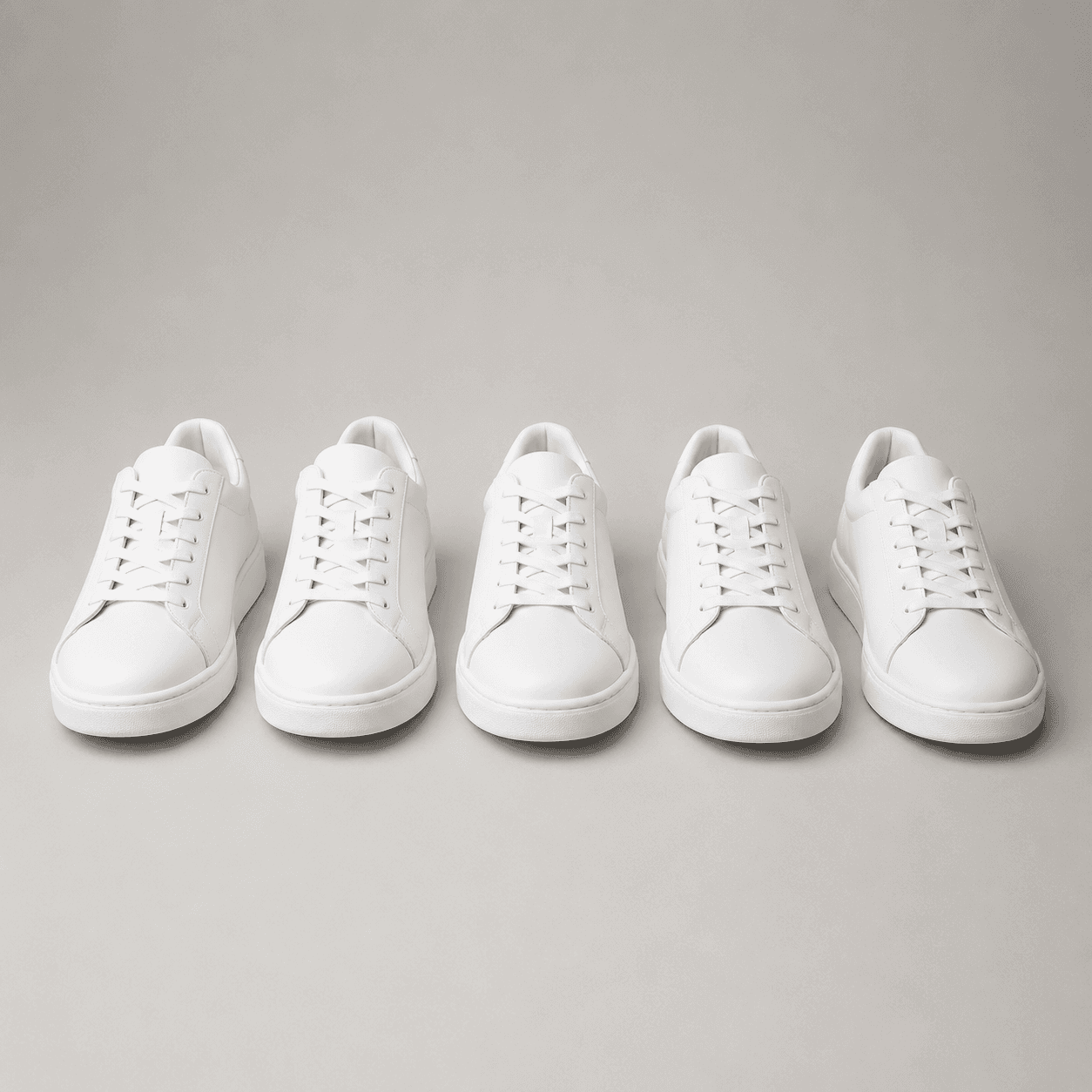
Custom bowling shoes are a specialized footwear program, not a simple logo change on an indoor sneaker. The product has to balance two opposite functions in one bottom package: controlled slide on the approach and reliable braking at release. For bulk buyers, that means the outsole map, slide textile GSM, heel compound, upper reinforcement, and size grading all need to be specified before price is negotiated. If those details are vague, the cheapest quote usually becomes the highest-cost order after claims, replacements, and rework.
In China, most custom bowling shoes fall into three workable sourcing routes: stock-tooling private label, rental bowling shoes bulk production, and full-custom retail-performance development. Each route has a different MOQ, sample cycle, mold cost, and risk profile. A private-label launch can often run on 600-1,200 pairs per colorway using existing lasts and outsoles. A rental fleet order is more often 1,200-5,000 pairs per style with simplified materials and universal sole geometry. A full-custom retail line with proprietary tooling usually starts at 2,000-3,500 pairs per style and requires longer sample and approval time.
For sourcing managers, brand owners, and importers, the key questions are practical: what the shoe is in factory terms, how a bowling shoe manufacturer builds it, why specific material and test details matter commercially, and when private-label or custom development is the better purchasing decision. The article below stays on supplier-side fundamentals: upper thickness, backing GSM, foam density, outsole hardness, EN ISO and ASTM test references, ex-factory price bands, and production lead times in days.
In bowling footwear, the lowest FOB quote often becomes the highest total cost once claims, freight cube, and replacement rates are measured.
What custom bowling shoes are in manufacturing terms
A bowling shoe is a controlled-friction construction. It is designed to let the wearer slide consistently with one part of the sole while maintaining predictable braking from another part of the bottom. That is the core difference between custom bowling shoes and a generic vulcanized or court-inspired indoor shoe. In manufacturing terms, the critical elements are the slide panel material, the brake zone layout, heel geometry, toe spring, and upper support around the quarter and eyestay.
Most China-made bowling styles are cemented and Strobel-stitched because the structure stays flexible, the labor content is lower than board-lasted construction, and the shoe can be built at commercial price points. Standard upper options include PU microfiber at 0.9-1.2 mm, PVC synthetic at 1.0-1.3 mm, split suede with protective finish, and synthetic suede for controlled-friction bottom applications. In rental-focused styles, factories usually avoid highly absorbent uppers and open mesh vamp panels because they retain odor, show dirt quickly, and reduce service life in heavy rotation.
The bottom package is where factory competence shows immediately. Entry and rental models often use near-symmetrical sole layouts so either shoe can be worn by left- or right-handed bowlers. More advanced retail models may separate slide-foot and brake-foot behavior with different microfiber panels, heel compounds, or replaceable pads. Common slide textiles sit around 280-420 GSM. Brake components are usually TPR or rubber in the 55-68 Shore A range, depending on the target user and expected lane feel. A basic rental pair commonly comes in at 650-800 g/pair in men’s sample size, while a more padded retail pair can reach 850-980 g/pair.
- Stock-tooling private label MOQ: 600-1,200 pairs per colorway
- Rental bowling shoes bulk MOQ: commonly 1,200-5,000 pairs per style
- Full-custom outsole or last MOQ: usually 2,000-3,500 pairs per style
- Sample lead time: 10-21 days depending on tooling and revision count
- Bulk production lead time: 35-60 days after confirmation sample approval
Retail performance versus rental construction
Retail-performance shoes are evaluated pair by pair. Buyers usually want cleaner upper lines, lower weight, better step-in comfort, sharper logo execution, and more consistent fit across the size run. Typical factory upgrades include molded PU footbeds, collar foam at 10-12 mm, tongue foam at 6-8 mm, higher-grade microfiber lining, and cleaner sidewall finishing. These features can add only US$1.20-US$3.50/pair, but they often reduce returns and support better wholesale pricing.
Rental bowling shoes bulk programs are evaluated over the replacement cycle. The priorities are cleanability, universal left-right use, resistance to toe drag, resistance to sidewall scuffing, and lower replacement cost. A rental upper often uses 1.0-1.2 mm PU or PVC with 150-220 GSM fabric backing, reinforced eyestays, thicker topline binding, and a simple 3-4 mm die-cut EVA sockliner. The shoe looks more basic, but the structure is usually more stable under repeated commercial use.
Core material specifications buyers should request
A supplier quote should never stop at 'synthetic leather upper' or 'textile lining.' The material list should define thickness, backing, finish, color tolerance, and intended use. A workable upper spec might be 1.0 mm PU microfiber with 130 GSM tricot backing, or 1.1 mm PVC synthetic with 200 GSM woven backing and abrasion-resistant topcoat. For lining, the buyer should specify standard mesh, sandwich mesh, microfiber, or brushed textile, along with dry and wet crocking expectations if dark colors are used.
Foam and bottom specs should also be written into the PO. Collar foam is commonly 8-12 mm conventional PU foam, usually around 18-28 kg/m3 depending on target softness. Value models often use die-cut EVA sockliners at 45-55 Shore C hardness and 3-5 mm thickness. Better retail models may use molded PU or latex-EVA combinations with higher rebound. On the sole, a 300 GSM slide panel behaves differently from a 420 GSM panel after break-in, so the supplier should not substitute by description alone. Request side-by-side wear samples if an alternative is proposed.
How a bowling shoe manufacturer develops the product
A capable bowling shoe manufacturer starts with end use, not only the artwork. The factory needs to know whether the product is for rental fleets, value retail, league players, or higher-spec retail performance. That decision changes the last shape, toe spring angle, heel bevel, slide-zone size, bottom hardness, and upper reinforcement map. If those points are not fixed early, the sample may look acceptable in photos but perform incorrectly on the lane.
Development usually begins from either a buyer tech pack or an existing reference style. The factory reviews last availability, outsole options, upper pattern complexity, material swatches, logo application, target FOB, and size range. If the buyer accepts an existing last and outsole, development stays faster and cheaper. If the project needs a proprietary outsole logo, revised slide-brake zoning, or unique heel geometry, mold charges typically range from US$2,500-US$6,500, and can move higher if separate heel tools or large-size grading are required.
After sample approval, pre-production control matters as much as the prototype itself. Before mass cutting begins, the supplier should confirm lane-wear performance, color and gloss, fit grading, carton assortment, barcode format, and packaging drop resistance. Bowling shoes are often ordered in tight size ratios, so pairing or labeling errors create direct destination-side rework. On a 5,000-8,000 pair order, poor packing control can erase the original FOB advantage very quickly.
- 01Define end use: rental, value retail, or performance retail
- 02Freeze last, outsole zoning, and slide or brake materials
- 03Approve upper spec, lining, foam package, and branding method
- 04Confirm revised sample after fit and lane-use review
- 05Run pre-production pairs before mass cutting and assembly
Development timelines by project type
For stock-tooling private-label projects, first samples are often ready in 10-14 days. If the buyer accepts standard colors, an existing outsole, and no pattern revision beyond branding, bulk production can often ship in 35-45 days after deposit and approval.
For full-custom development, 14-21 days for the first prototype is more realistic, plus another 7-14 days for corrections if fit, lane feel, or materials need revision. Mass production is usually 45-60 days after final confirmation. If the project includes custom molds, special slide textiles, deboss tools, or multiple trims, the full timeline can extend to 75-90 days. Buyers planning around Lunar New Year, summer freight peaks, or third-party lab testing should add buffer rather than using best-case dates.
Target cost ranges buyers can use
At current China cost levels, a basic rental bowling shoe in larger volume typically sits around US$8.50-US$13.50/pair ex-factory. A private-label universal retail style with better padding, lining, and branded packaging is often US$11.50-US$18.00/pair. A more technical retail-performance style with molded footbed, phylon midsole, upgraded lining package, or removable slide components commonly ranges from US$18.00-US$32.00/pair ex-factory.
Buyers should separate cosmetic adds from structural cost drivers. A printed shoebox, tissue, extra lace set, and hangtag may add US$0.35-US$1.20/pair. Upgrading lining abrasion resistance, collar foam quality, or toe reinforcement often adds a similar amount but produces more measurable value through lower claims. For rental bowling shoes bulk tenders, standardized colorways and simple packaging usually protect margin better than decorative extras with no service-life benefit.
Typical sourcing options for custom bowling shoes
| Program type | Typical MOQ | Sample lead time | Bulk lead time | Ex-factory range | Best use case |
|---|---|---|---|---|---|
| Stock-tooling private label | 600-1,200 pairs/colorway | 10-14 days | 35-45 days | US$11.50-US$18.00/pair | Fast launch with custom branding on proven tooling |
| Rental bowling shoes bulk | 1,200-5,000 pairs/style | 10-15 days | 40-50 days | US$8.50-US$13.50/pair | Bowling centers, leisure chains, replacement fleets |
| Full-custom retail performance | 2,000-3,500 pairs/style | 14-21 days | 45-60 days | US$18.00-US$32.00+/pair | Premium retail or league-focused programs |
| Custom outsole mold program | 2,500-5,000 pairs/style over forecast | 21-35 days including tooling | 50-75 days | Unit cost varies plus US$2,500-US$6,500 mold cost | Exclusive outsole identity and repeat-volume programs |
Why technical details matter in bulk purchasing
In bowling footwear, a small specification mistake becomes a large commercial problem. If the slide zone is too fast, casual users lose control and venue complaints rise. If it is too slow, bowlers alter their approach, drag the toe, and reject the product quickly. This is why a sourcing brief should define friction behavior by use case rather than relying on a photo reference alone. A rental fleet, a value retail program, and a league-oriented style should not automatically share the same bottom behavior.
Durability failures are also predictable when the material list is weak. The common failure points are toe drag abrasion, heel edge wear, medial quarter collapse, collar breakdown, upper cracking on low-grade PVC, and sole delamination where upper preparation and cement chemistry were not matched. In rental use, some cosmetic wear is acceptable, but lining failure or outsole separation immediately shortens usable life. In retail, moderate glue marks, inconsistent sizing, or early creasing can create returns that wipe out the original savings on FOB.
Testing should match footwear risk, not generic compliance language. For EU-bound programs, buyers commonly require restricted-substance control aligned with REACH expectations and physical testing using relevant EN ISO footwear methods. For U.S. programs, ASTM-based internal protocols may be added for material durability or slip-related evaluation depending on the importer’s quality manual. The practical question is whether the test plan covers flexing, abrasion, peel strength, colorfastness, hydrolysis exposure, and packing performance before shipment.
- Set outsole-to-upper adhesion targets before bulk on mixed-material bottoms
- Specify upper and lining abrasion requirements for rental-use programs
- Control collar and sockliner density to reduce compression set
- Review carton cube early because freight cost per pair can shift materially
Compliance and test points worth writing into the PO
A purchase order for custom bowling shoes should include measurable test items, tolerances, and a reference method where possible. Useful checkpoints include outsole abrasion to EN ISO 20871, upper flexing and whole-shoe flex performance using relevant EN ISO footwear methods, adhesion or peel evaluation to EN ISO 17708 where applicable, lining abrasion and colorfastness checks, and dimensional tolerance by size point. If the program goes to the U.S., some importers also reference ASTM internal protocols for traction comparison or material performance benchmarking.
Chemical control should be locked before materials are booked, not after samples are approved. Depending on market and buyer manual, that may include phthalates, azo dyes, lead, cadmium, chromium VI where relevant, and other restricted substances. If the upper, sockliner, or logo uses PU systems, hydrolysis risk should be reviewed for humid markets or long warehouse storage. Late compliance changes regularly cost 7-14 days and can force material replacement after lab failure.
Packaging and freight math
For importers, freight efficiency is part of footwear engineering. Low-cut bowling styles generally ship more efficiently than bulkier high-ankle concepts or oversized retail boxes. Depending on box requirement, size range, and carton limits, export cartons commonly hold 10-12 pairs. If the buyer allows simple inner boxes or polybag packing for rental bowling shoes bulk orders, carton cube improves and landed cost per pair usually drops.
Ask the factory for shoebox dimensions, export carton size, gross weight, and estimated container loading quantity at the sample stage. Two suppliers may offer nearly identical FOB prices while producing very different freight cost per pair because one packs 10 pairs in a high cube carton and the other packs 12 pairs in a tighter carton with lower dead space. In bulk programs, that difference is enough to change which quote is actually competitive.
When to use private-label, stock-tooling, or full-custom programs
The correct sourcing route depends on volume confidence, required differentiation, and channel expectations. A new importer, house brand, or regional distributor usually benefits from starting with stock tooling and private-label branding. That keeps mold risk low, shortens development, and gives the buyer real market feedback on fit, slide behavior, wear rate, and size demand before investing in proprietary tooling.
Private-label on standard molds works well for value retail, club programs, distributor collections, and many mid-volume bowling lines. The buyer can still control color blocking, logo placement, tongue branding, sockliner print, size range, and packaging while using a proven outsole and last. In commercial terms, that is enough differentiation for many programs without absorbing a custom mold charge too early.
Full custom becomes the better option once the buyer has repeat volume, a channel-specific fit requirement, or a need to avoid direct comparison with open catalog product. Typical cases include premium league styles, mixed rental-retail platforms, exclusive outsole identity, or removable slide components. The MOQ and timeline are higher, but the style is harder to duplicate and less exposed to direct price matching.
- Choose stock tooling for lower upfront cost and faster launch
- Choose private label when branding matters more than outsole exclusivity
- Choose full custom when repeat volume can absorb tooling charges
- Choose rental-specific builds when replacement cost matters more than appearance
How buyers should evaluate a bowling shoe manufacturer in China
The best bowling shoe manufacturer is rarely the one with the lowest nominal quote. Buyers should check whether the factory understands bowling-specific friction control and can discuss materials in measurable terms: upper thickness, backing GSM, slide panel GSM, collar foam density, outsole hardness, and size grading tolerance. A capable supplier can explain where the shoe will fail if the target price is pushed too low. That level of detail is more useful than a broad product brochure.
If dedicated bowling references are limited, ask for category-adjacent evidence. Experience in indoor leisure footwear, rental-use programs, or controlled-friction constructions can still be relevant if the factory understands bonding, wear concentration, and cleanability. More important than catalog breadth is whether the supplier can convert a usage brief into a stable BOM, realistic MOQ, transparent price breaks, and a lead time that includes testing and packaging approval.
Quality control should be reviewed as a process, not as a sales statement. In-line checks on bowling shoes should cover left-right sole symmetry, slide panel placement, glue cleanliness, stitch consistency, upper panel matching, and size marking. Final inspection should confirm pairing logic, size ratio, carton assortment, barcode accuracy, and AQL results against the packing list. Factories that support pre-production wear trials and can hold sample-to-bulk consistency are generally the safer long-term partners for importers buying in volume.
- 01Review bowling or adjacent-category sample history
- 02Compare MOQ, tooling cost, and price-break assumptions
- 03Audit material sheet, test plan, and inspection checkpoints
- 04Approve pre-production samples before bulk cutting starts
- 05Book final inspection against agreed AQL and packing ratio
SoleForge manufactures athletic & running shoes and casual sneakers under OEM and ODM for brands and importers worldwide. Request a quote with your tech pack or reference pair and we'll reply within one business day.