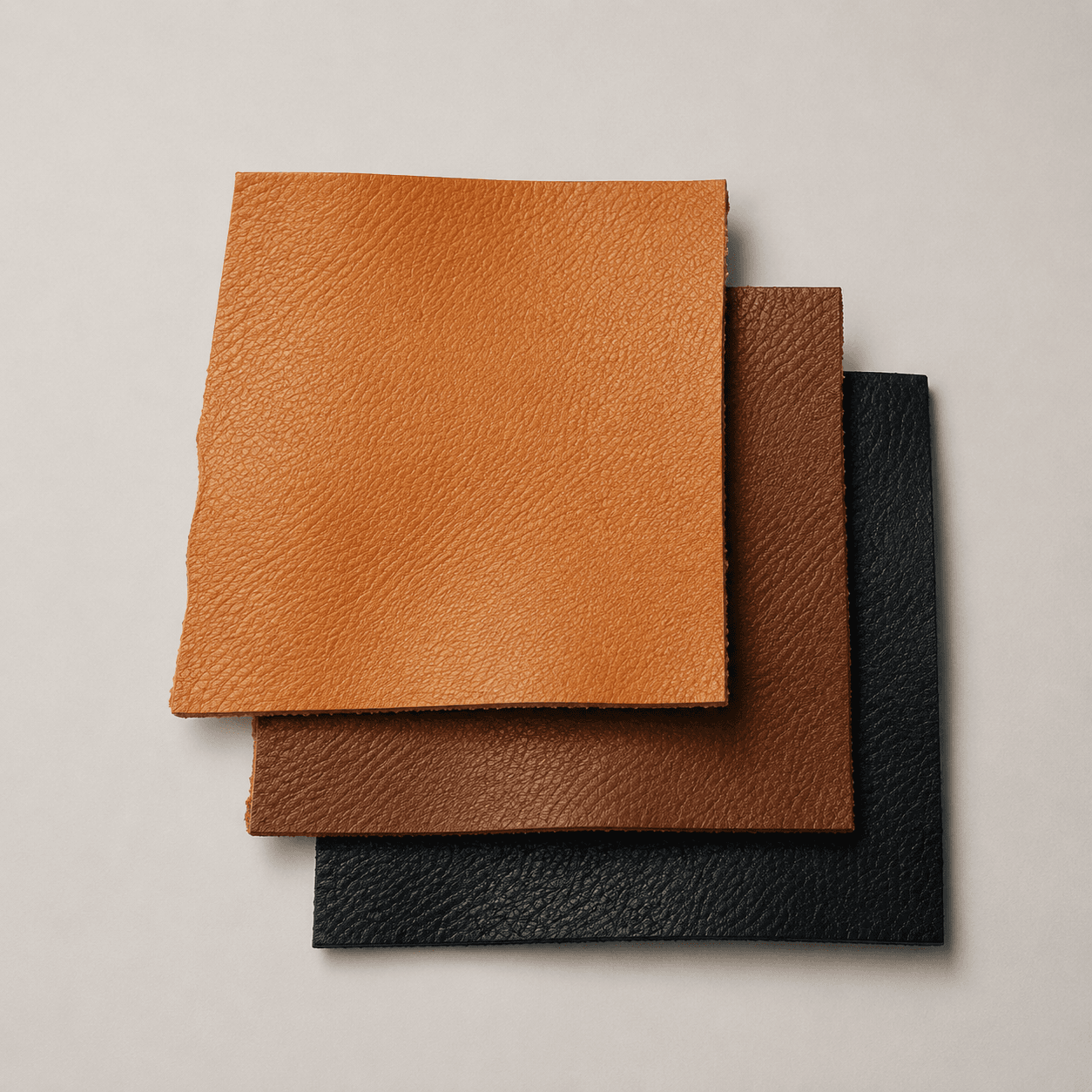
In bulk footwear sourcing, the eva midsole is not a cosmetic choice. It drives cost, pair weight, step-in feel, mold investment, bulk rejection risk, and reorder consistency. Buyers often use EVA and phylon as if they mean the same thing, but on the factory side they signal different processing routes, tooling requirements, and quality-control risks.
For sourcing managers, brand owners, and importers buying from China, the decision should be made with numbers. You need to know the target FOB, expected wear cycle, acceptable density range, hardness tolerance, mold amortization, and the test method the factory will work to. A beach sandal, a school shoe, and an athleisure runner can all use EVA-based cushioning foam, but they should not be specified the same way.
This guide follows the order used in real development: define the end use and target price, separate EVA from phylon in the quotation, issue a measurable midsole spec, confirm MOQ and lead-time, control bulk production, and protect repeat orders. The objective is simple: approve a shoe midsole material that can be produced at scale with the same feel, weight, and appearance shipment after shipment.
In bulk footwear sourcing, the right midsole is the one the factory can repeat at target cost, target weight, and target test performance, not the one that feels soft for five minutes in a sample room.
Define the commercial brief before asking for an EVA or phylon quote
The first step is to define the commercial brief in factory terms. A supplier cannot recommend the right eva midsole if the buyer only says the shoe should be “soft” or “light.” The factory needs the category, target FOB, target midsole cost, annual volume, size range, intended market, and expected wear pattern. These inputs determine whether a simple EVA unit is enough or whether a molded phylon construction is worth the extra tooling and process cost.
In China, the price spread is wide even within EVA-based constructions. A basic die-cut or molded EVA sandal midsole may cost about $0.55 to $1.10 per pair at volume. A casual cup-bottom style using an EVA wedge can run around $0.90 to $1.60 per pair. A sculpted phylon midsole for a running-inspired upper, especially with painted sidewalls, flex grooves, or bonded rubber traction pods, often lands around $1.80 to $3.80 per pair before outsole rubber cost is included.
End use decides what the foam must prioritize. For price-driven casual shoes, the factory may recommend a slightly higher density and firmer Shore C reading to reduce collapse and carton compression. For entry-running or athleisure styles, lower density can reduce pair weight, but only if the geometry and hardness still prevent heel bottoming-out. For school shoes, uniform programs, and replenishment business, consistency between orders usually matters more than the softest first impression in the showroom.
If the brief is clear, the supplier can quote more accurately from the start. If the brief is vague, the first sample often looks acceptable but fails later on cost, bulk weight tolerance, or wear feedback.
- State the footwear category and use case: sandal, school, court, casual, runner, work or kids
- Set a target FOB and a midsole budget in $/pair
- Provide annual volume and size run because mold count and shrinkage behavior change with scale
- Define the wear cycle: holiday use, daily commute, uniform wear, or light sport
Separate EVA material from phylon process when reviewing supplier offers
EVA is the material family: ethylene-vinyl acetate foam compounded with blowing agent, pigment, filler, and stabilizer. In footwear, it can be cut from sheet, molded as a simple unit, injected, or compression expanded. Phylon is usually the factory term for a compression-molded, heated, and expanded EVA midsole with more defined shape and cleaner sidewall geometry than a basic die-cut part.
For buyers, this distinction matters because the quote structure changes. A standard EVA unit may need lower mold investment and shorter setup time, making it suitable for value programs, open molds, or short seasonal runs. Phylon typically requires dedicated tooling by size range and tighter process control, but it gives sharper sculpting, more visible geometry, and better appearance for sport-casual product. That is why many suppliers use phylon for running-inspired outsoles even though the base foam is still EVA.
The risk is that phylon is sometimes treated like a quality label instead of a process description. A low-density phylon midsole can still collapse too quickly if the buyer pushes too hard for lightweight feel. A firmer, higher-density EVA unit can sometimes perform better in school or mass-volume casual shoes because it resists packing-out and shape loss. The better question is not “Do you use phylon?” but “What density, hardness, and process route are you quoting, and what tolerance can you hold in production?”
Ask the supplier to separate the offer into compound, molding route, and finishing route. If a quotation only says “EVA midsole,” you still do not know whether the part is die-cut EVA, molded EVA, injection EVA, or phylon-compression EVA. Those options carry different scrap rates, cycle times, tooling charges, and visual expectations.
Use realistic density and hardness bands
For bulk footwear, commercial EVA and phylon midsoles often sit around 0.18 to 0.30 g/cm3. Lightweight fashion runners may sit near 0.18 to 0.22 g/cm3. School, outdoor-casual, or support-driven styles often sit closer to 0.23 to 0.30 g/cm3. Shore C hardness commonly lands around 45 to 60 depending on geometry and category.
Do not approve a sample on a single nominal figure. Ask for a production tolerance such as density 0.22 ± 0.02 g/cm3 and hardness Shore C 50 ± 3. Without tolerance bands, a factory can supply bulk within its own internal range while the buyer still feels a noticeable difference between sample and shipment.
Issue a measurable midsole specification the factory can cost and control
A usable spec sheet for a shoe midsole material must be measurable. The supplier should receive target density, hardness, pair weight by reference size, color standard, compression-set requirement, bonding requirement, visual-grade expectation, and finish details such as raw skin, brushed, sanded, painted, printed, or debossed logo. This is the level at which a factory can cost the part, lock the compound, and train QC to inspect it.
Pair weight should be treated as a controlled value, not a rough estimate. For example, if a men’s EUR 42 pair target is 210 g for the midsole only, define an acceptable tolerance such as ± 8 g per pair and set a left-right weight variance limit. Weight drift is often the first signal that expansion or trimming is moving out of control. It is faster to catch that during production than to debate subjective comfort after the shipment arrives.
If the shoe includes bonded rubber pods, a cup outsole, or a wrapped foxing detail, add that to the midsole spec. The bonding surface has to be prepared accordingly, and the factory may need roughing, primer, or a specific cement system. A soft cushioning foam that feels good in wear testing can still fail commercially if outsole adhesion breaks after aging or carton heat exposure.
Testing requirements should be named up front. Many buyers ask for density and hardness verification plus compression set, abrasion, bond strength, and flexing based on the footwear category. In Europe, factories often align to EN ISO footwear test methods where applicable; in the US market, buyers may reference ASTM methods or lab protocols built around ASTM practice. The important point is to lock the method before bulk, not after a claim.
- Density target with tolerance, for example 0.22 ± 0.02 g/cm3
- Hardness target with tolerance, for example Shore C 50 ± 3
- Midsole pair weight by reference size, such as US 9 or EUR 42
- Compression set and bond-strength requirement after heat aging where needed
- Finish and visual standard: pores, parting line, paint coverage, and logo definition
Include adjacent materials that affect comfort and approval
Buyers often blame the eva midsole for comfort inconsistency when the real change comes from the strobel board, sockliner, or top cover. If the shoe uses an EVA sockliner, PU footbed, or laminated top cloth, specify it separately. Textile-backed components should carry their own GSM requirement, for example 120 to 180 GSM mesh lining or 180 to 250 GSM brushed tricot, because comfort and finished weight are influenced by more than the foam block alone.
Visual standards also need to be practical. White and pastel EVA are more likely to show pinholes, pigment streaking, pressure marks, or glue transfer. If appearance is part of the value proposition, define acceptance limits for pores, sidewall drag marks, and carton pressure deformation before the factory starts packing bulk.
Confirm MOQ, tooling cost, and lead-time before approving samples
Many development problems are commercial problems in disguise. A buyer approves the look and feel of a phylon sample, then discovers the order split is too small to support the mold cost or color minimum. This should be resolved before confirmation, not after. In China, a new adult phylon midsole mold set commonly runs about $2,000 to $6,000 depending on complexity, cavity count, and size spread. If the outsole rubber tooling is separate, the total bottom tooling package may move higher.
MOQ has to be checked at three levels: style, color, and factory run condition. A supplier may accept 1,200 to 3,000 pairs per style for a new program, but a practical color MOQ may be 600 to 1,000 pairs if the midsole uses custom pigment, speckle, sidewall spray, or multiple bonded pods. Below that level, compounding loss, color-cleaning waste, and setup time push the unit price up sharply.
Lead-time should also be broken into phases. Midsole tooling generally takes about 12 to 20 days after drawing confirmation and deposit. First mold trial often takes another 5 to 10 days. If there are fit issues between upper, strobel board, and bottom, correction may add 7 to 14 days. For a new full-shoe development with outsole bonding and confirmation testing, 45 to 75 days to bulk-ready status is a realistic planning window. Repeat orders are faster, but only if the mold, compound, and color standard are still active.
Before sample approval, ask whether the quote is based on open mold, modified mold, or fully private tooling. This affects lead-time, mold ownership, and your ability to repeat the style with the same factory next season.
- 01Request separate charges for tooling, sample development, and bulk unit price
- 02Confirm MOQ by style, by color, and by color-material combination
- 03Ask what the lead-time starts from: tech-pack approval, deposit, or all materials in-house
- 04Verify mold ownership, storage fee, maintenance responsibility, and remake policy
Lock compound approval and manage bulk production with in-line controls
Once the sample is approved, the biggest mistake is assuming the factory can reproduce the same cushioning foam by eye. EVA and phylon are sensitive to compounding, oven temperature, expansion time, cooling, pigment load, and even ambient conditions. A reliable supplier should lock a golden sample, a material card, and a compound record before mass production. Approval should include density, hardness, and pair weight data, not only a visual sign-off.
In-line control should focus on the failure points specific to EVA-based midsoles. Check expansion consistency, cooling shrinkage, left-right weight match, sidewall cleanliness, trimming quality, and outsole bonding surface preparation. If rubber pods are cemented to the phylon, ask for roughing and priming records and an adhesion check after aging. Many claim issues start at this interface, especially in hot-weather shipments.
A practical lab package for bulk approval often costs around $250 to $800 per style depending on market and test scope. For commercial programs, the usual core tests are density verification, Shore C hardness, compression set, abrasion where exposed, bond strength after heat aging, and flexing of the assembled bottom. If the customer sells into regulated channels, ask the testing lab to state which EN ISO or ASTM-based methods were used so later claims can be compared on the same basis.
Do not overlook packaging pressure. Soft EVA can take carton-set if pair stacking is too tight or if the container sits under heat. If the sidewall finish is clean and smooth, cartons, dividers, and pair arrangement should be reviewed as part of approval, especially for white midsoles and low-density constructions.
- Approve a golden sample linked to density, Shore C hardness, and pair weight records
- Request first-off-tool measurements and photos before the full production run
- Monitor left-right weight variance and visual defects during in-line inspection
- Run adhesion and compression-set checks on bulk material, not just development samples
Use shipment checkpoints that match factory workflow
The most practical control points are material receiving, first article, in-line, and final packing. At receiving, confirm compound batch, pigment, and any laminated components by spec, including GSM where textile-backed materials are used. At first article, verify dimensions and weight after full cooling, not immediately after demolding. In-line, focus on trimming, pores, paint coverage, and bonding prep. At final packing, confirm that carton count and stacking do not deform the midsole.
If the order covers a wide size range, ask the supplier to check both the smallest and largest cavities. Density and weight control often drift most at the extremes of the mold set. Large men’s sizes usually expose weak process control first when the target foam is very light.
Protect reorders and know when the midsole construction needs upgrading
The final step is to protect repeatability. A successful first order does not guarantee a successful repeat. Compounds change, molds wear, and factories sometimes substitute process settings to protect margin on lower-volume replenishment orders. To avoid that, keep your own records: approved sample, density and hardness report, pair-weight standard, color standard, mold number, and packing method. Do not rely only on the supplier’s internal archive.
When reorder performance is unstable, decide whether the problem is process drift or product specification. If wear feedback repeatedly mentions heel collapse, forefoot flattening, or poor rebound after a few weeks, tightening inspection alone may not solve it. You may need to move from a single-density EVA unit to a firmer carrier, revised geometry, or a phylon-plus-rubber combination that better supports the use case.
Likewise, if the product is too heavy for the price segment, a controlled move to lower-density phylon with strategic rubber placement may improve commercial performance more than trimming a few grams from the upper. The best sourcing result is rarely the absolute cheapest eva midsole. It is the one that holds target cost, target weight, target appearance, and target test results across multiple shipments and multiple seasons.
- 01Keep the approved sample, material card, and lab data for every reorder
- 02Review post-market wear feedback before repeating the same density and hardness
- 03Check mold maintenance status before reopening an old style
- 04Compare new bulk against the original approved data, not against memory or a sales sample
Key takeaways
- Start with the commercial brief: category, FOB target, annual volume, size range, and wear cycle
- Treat phylon as a molded EVA process route, not as a separate miracle material
- Specify density, hardness, pair weight, finish, and bond requirements with production tolerances
- Confirm mold cost, MOQ by color, and realistic 45 to 75 day development timing before approval
- Lock a golden sample with compound data and verify bulk through in-line checks and lab testing
- Keep your own reorder file so the same shoe midsole material can be repeated season after season
SoleForge manufactures athletic & running shoes and sandals & slippers under OEM and ODM for brands and importers worldwide. Request a quote with your tech pack or reference pair and we'll reply within one business day.