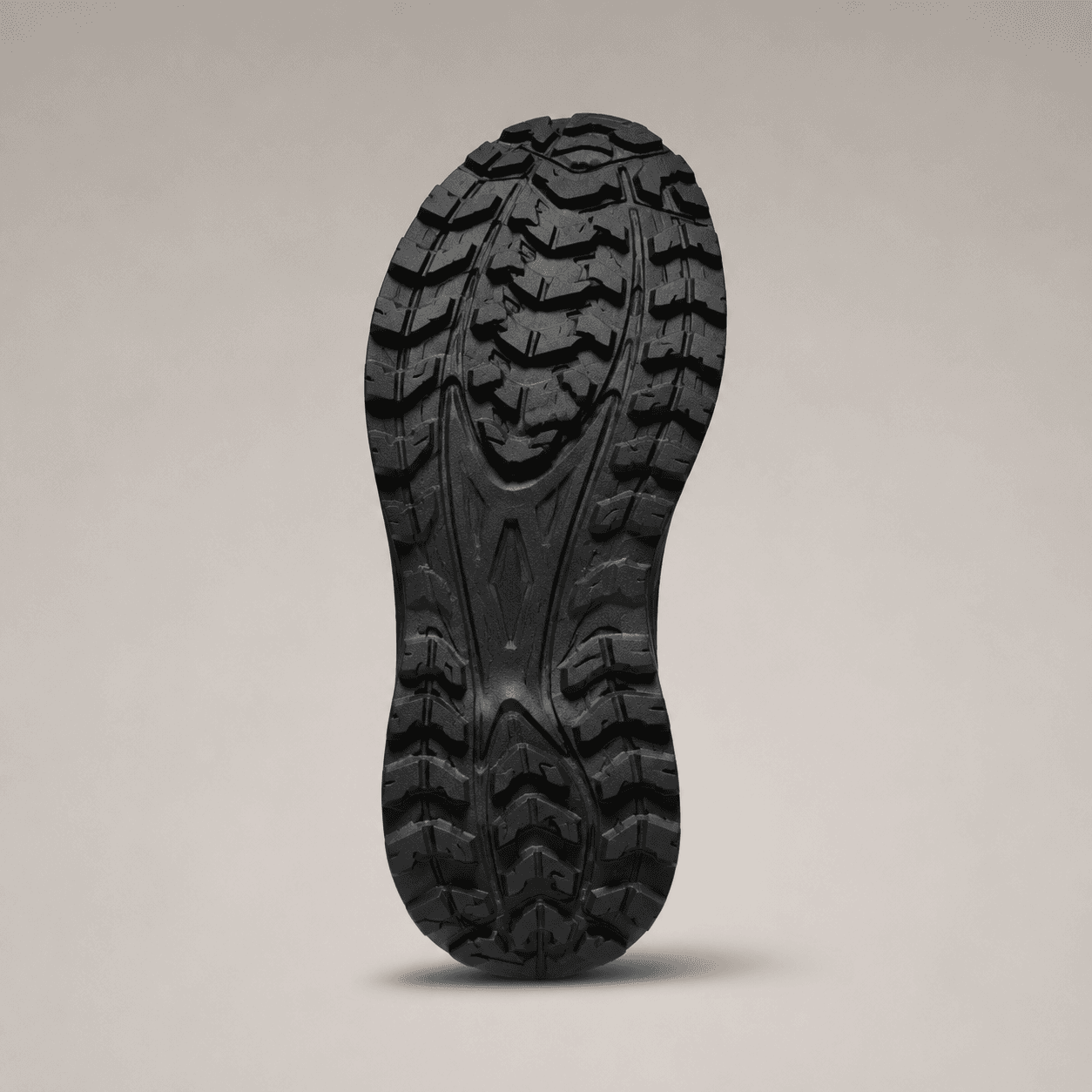
For bulk buyers of men’s formal footwear, Goodyear welt vs Blake shoes is a sourcing decision with direct impact on FOB cost, factory eligibility, MOQ, line speed, and return risk. Add cemented dress shoes into the comparison and the commercial trade-off becomes practical: lower cost and faster replenishment versus stronger construction perception and longer service life.
From the supplier side, these three constructions do not run on the same production logic. Goodyear welted shoes require more bottoming stations, more skilled labor, and tighter tolerance on welt stitching, waist shape, outsole channel, and heel-seat finishing. Blake construction simplifies the build but depends on precise direct stitching through upper, insole, and outsole. Cemented dress shoes are the easiest to industrialize, but performance depends heavily on adhesive chemistry, roughing depth, press pressure, and cure time.
For sourcing managers and brand owners buying in China, the correct choice usually follows the target retail ladder. A $19-28 cemented Derby, a $32-46 Blake loafer, and a $50-76 Goodyear welt Oxford are different programs with different margin logic, development calendars, and QA requirements. Treating them as interchangeable is where cost overruns and claims start.
In formal footwear sourcing, construction choice is a factory-route decision before it is a design decision.
The trade-off: price efficiency versus construction value
Goodyear welted dress shoes sit at the top of the construction ladder for importers who need a premium story, stronger shape retention, and a product that can plausibly be marketed around resoling and longevity. The extra value comes from more components and more labor: welt strip, rib or holdfast structure, cork filling, outsole stitching, edge finishing, and heel-seat cleanup. In China, that means a narrower supplier pool and higher labor minutes per pair.
Blake construction is the middle option in dress shoe construction. It delivers a cleaner side profile, narrower waist, and lighter bottom package than Goodyear. For sleek office shoes, wholecuts, and loafers, that visual difference matters at retail. The trade-off is lower water resistance and more dependence on stitch quality and insole board stability.
Cemented dress shoes remain the most scalable and cost-efficient option for commercial formal footwear sourcing. They are quicker to sample, easier to scale across colors, and less dependent on scarce bottoming specialists. The downside is simple: if the factory is weak on adhesive process control, sole separation becomes the first failure mode.
- Goodyear welted: highest FOB, strongest premium positioning, slowest line speed
- Blake: mid-cost, slim silhouette, moderate durability
- Cemented: lowest FOB, fastest turnaround, bond quality determines claim rate
How the factory route changes by construction
Buyers should compare not only the finished look but also the build route. In welted shoe manufacturing, the upper is lasted over the insole foundation, attached to the rib or holdfast, stitched to the welt, then bottomed with filler, outsole, and heel. Every stage adds labor and defect risk. Common bulk defects are uneven welt margin, wandering outsole stitch, heel-seat mismatch, and inconsistent edge ink. A mature Goodyear line in Wenzhou or Fujian typically outputs 100-160 pairs/day on classic leather-soled styles and 140-200 pairs/day on rubber-soled styles, assuming a stable upper pattern and size mix.
Blake lines use fewer components but require accurate machine setup. The direct stitch must penetrate upper, insole board, and outsole cleanly without skipped stitches, excessive thread tension, or forepart puckering. Factories that mainly run cemented casual shoes often struggle on the first Blake bulk unless they have an experienced operator and stable needle program. Normal output is about 180-280 pairs/day per line depending on outsole material and whether the style is a loafer, Oxford, or monk strap.
Cemented production is less dependent on stitch skill and more dependent on process discipline. Roughing depth, dust removal, primer type, adhesive solids, open time, lamp activation, pressing pressure, and post-bond cure all matter. On formal shoes with leather outsole, sole leather moisture content should be controlled before bonding. On rubber, TPR, or TR units, surface treatment and primer compatibility are the main risk points. A high-volume cemented line can reach 350-700 pairs/day if the upper pattern is not overly complex.
- 01Confirm whether Goodyear or Blake stitching is done in-house. If bottoming is outsourced, lead time and defect control become less predictable.
- 02Ask for construction-specific daily capacity, not total factory capacity.
- 03Require a pilot run on the exact last and outsole package before approving bulk for Goodyear or Blake.
- 04For cemented shoes, write curing time and storage conditions into the tech pack rather than leaving them to factory habit.
Comparison of Goodyear welted, Blake, and cemented dress shoes for importers
| Dimension | Goodyear Welted | Blake | Cemented |
|---|---|---|---|
| Typical ex-factory price | $50-76/pair | $32-46/pair | $19-35/pair |
| Typical MOQ per style | 500-800 pairs | 400-600 pairs | 300-500 pairs |
| Bulk lead time | 60-90 days first order; 50-65 repeat | 55-70 days first order; 45-60 repeat | 45-60 days new; 35-45 repeat |
| Typical line output | 100-200 pairs/day depending on sole | 180-280 pairs/day | 350-700 pairs/day |
| Main strengths / main risks | Premium story, resoling potential / higher cost and slower capacity | Slim profile, balanced cost / stitch and water-entry risk | Fastest and cheapest / bond failure if process control is weak |
Cost, MOQ, and what actually drives the pair price
For importers, cost differences come from both labor and material stack. Goodyear welted dress shoes usually require a thicker vegetable-tanned insole, welt strip, cork filler, steel or nylon shank, outsole stitching, and more hand finishing. In China, a workable ex-factory range for men’s full-grain leather upper, cow leather lining, leather outsole, and standard burnish is typically $50-76/pair. Closed channel soles, imported crust leather, hand waist shaping, and fiddleback-style detailing can move the number above $80/pair quickly.
Blake stitched shoes with comparable upper leather generally sit at $32-46/pair on leather outsole constructions and around $29-40/pair on thin rubber or combination soles. Cemented dress shoes can start at $19-28/pair for corrected grain or entry full-grain upper with pigskin or split-cow lining, and rise to $24-35/pair with better full-grain leather, molded footbeds, branded socking, and injected or molded rubber sole units.
MOQ follows setup cost and line efficiency. Cemented dress shoes are commercially workable at 300-500 pairs/style across 2-3 colors. Blake usually needs 400-600 pairs/style because the stitch setup and outsole package need enough volume to justify stable machine allocation. Goodyear welted programs are most realistic at 500-800 pairs/style, and many factories will quote higher if the buyer requires custom lasts, special welt shape, or exclusive outsole embossing. Below those volumes, suppliers can still accept orders, but they usually recover inefficiency through a $2-6/pair upcharge.
Where hidden cost appears in development
On Goodyear projects, hidden cost usually shows up in outsole edge finishing, heel-seat correction, waist matching, and rework from uneven welt margin. On Blake shoes, hidden cost often comes from stitch adjustment, insole comfort upgrades, and sockliner compensation to reduce underfoot stitch feel. On cemented shoes, hidden cost usually comes from better adhesives, longer curing time, and stricter environment control to reduce separation claims.
Ask for a full component breakdown during costing. At minimum, confirm upper leather thickness, lining thickness, insole board spec, shank type, outsole material, top-lift hardness, sock foam density, and lining GSM where textile quarter lining is used. For example, a business Oxford with 3.5 mm PU sock foam at 0.18-0.22 g/cm3 and a 180-220 GSM textile backer feels very different from one using 2.0 mm EVA at 50-55 Shore C and a 120 GSM backer. Construction alone does not determine comfort.
Lead time and replenishment speed
Cemented dress shoes are usually the fastest route for import programs. On repeat upper patterns with existing lasts and outsole molds, bulk lead time is commonly 35-45 days after deposit, material approval, and wear-test signoff. New developments with a fresh outsole mold or substantial last adjustment usually run 45-60 days. This is why cemented construction remains standard for seasonal business footwear and replenishment programs.
Blake programs normally run 45-60 days on repeats and 55-70 days on first bulk, assuming the supplier owns the Blake machine and keeps closing, lasting, bottoming, and finishing under one roof. If stitching or finishing is subcontracted, the quoted lead time often looks acceptable on paper but slips in peak season. Buyers should ask how many Blake machines are running and who controls maintenance.
Goodyear welted shoes need the most calendar. A clean first bulk usually takes 60-90 days because the factory has to stabilize last fit, welt line, sole stitch, cork fill, and edge finish together. Repeat orders can drop to 50-65 days if leather, outsole, and last remain unchanged. Capacity is also less elastic. Many suppliers have only one experienced Goodyear bottoming team, so reorders cannot always be accelerated even if the upper room has open capacity.
- Cemented repeat bulk: 35-45 days; new development: 45-60 days
- Blake repeat bulk: 45-60 days; first bulk: 55-70 days
- Goodyear repeat bulk: 50-65 days; first bulk: 60-90 days
- Peak season risk is highest when bottoming is outsourced or when only one skilled team handles the construction
Durability and the failure modes that matter in claims
In the field, Goodyear welted dress shoes usually deliver the best structural life when the inseam is secure, the welt stitch is even, and the heel seat is balanced. Typical complaints are break-in stiffness, squeaking from poor shank or filler seating, and cosmetic issues such as edge color wear or uneven welt staining. Actual bottom failure is less common than on lower-spec cemented shoes, but only if the factory controls the insole foundation properly.
Blake stitched shoes perform well for office and occasion wear in dry to moderate conditions. Their most common failure points are outsole stitch abrasion, water ingress through the stitch line, and forepart discomfort if the insole board is too rigid or the internal stitch line is not well covered. A Blake shoe can be commercially durable, but it is less tolerant of poor machine setup than buyers often assume.
For cemented dress shoes, the dominant risk remains sole separation. In a competent factory, this is managed by controlled roughing, proper primer, adhesive compatibility, IR or tunnel reactivation where needed, pressing pressure, and 24-48 hours of post-bond cure before packing. In a weak factory, the shoes are boxed too early to hit shipment date, and heat cycling in container transit exposes the weak bond.
- Indicative bond target for cemented dress shoes: >50 N/cm after conditioning, or higher if required by buyer protocol
- Common upper leather thickness: 1.2-1.4 mm for mainstream formal shoes; 1.4-1.6 mm for premium lines
- Common cow lining thickness: 0.8-1.0 mm; pigskin lining often 0.7-0.9 mm
- Typical sockliner comfort package: 3.0-4.0 mm PU foam at 0.16-0.22 g/cm3 or 2.5-3.5 mm latex at similar feel target
Comfort, profile, and where each construction sells best
Goodyear welted shoes usually present a fuller outsole edge and a more substantial visual build. That supports premium classic menswear, executive business shoes, and heritage-style assortments. Underfoot feel is normally firmer in the first wears because the insole, filler, and outsole need to bed in. This can be a retail advantage in premium channels, but only if the brand explains it and the last fit is correct.
Blake shoes are often the strongest choice for sleek formal lasts, narrow waists, and lighter visual weight. They flex earlier than Goodyear and usually feel easier in first try-on. That makes them suitable for branded office footwear, occasion shoes, and loafers where a close-cut edge improves visual appeal. For many buyers, Blake offers the best balance between construction value and modern silhouette.
Cemented dress shoes are easiest to tune for immediate comfort. By changing board stiffness, shank length, forepart grooving, and sock foam density, suppliers can create a soft first-step feel that performs well in chain retail, hospitality, uniform, and entry-to-mid-tier business channels. The caution is over-softening. If the foam density is too low or the board is too weak, heel-seat collapse and forepart distortion appear earlier in wear.
- Goodyear suits premium heritage and classic business lines
- Blake suits sleek premium-commercial lines and loafers
- Cemented suits volume business footwear, uniform, and seasonal formal programs
Quality control and compliance checks buyers should specify
QC should follow the construction, not just the style. For Goodyear welted shoes, inspect inseam security, welt margin consistency, outsole stitch density, heel-seat symmetry, outsole flatness, and edge finish consistency across the full size run. If the pair uses leather outsole with closed channel, check that the channel lies flat after finishing and does not open at flex points.
For Blake shoes, focus on direct stitch penetration, skipped stitches, thread tension, forepart puckering, internal stitch comfort, and sole stitch abrasion after flexing. If the buyer targets rainy markets, add leakage checks at the forepart and waist because the direct stitch line is the predictable weak point.
For cemented shoes, make bond testing part of inline and final control rather than relying only on visual inspection. Inspect roughing width, primer application, cement coverage, pressing marks, and cure time before carton packing. If the outsole is TR, TPR, or rubber, confirm surface treatment by lot. If the shoe uses PU top lifts or inserts, hydrolysis risk should be reviewed for humid destinations and long warehouse storage.
Useful testing references for formal footwear sourcing
Depending on customer market and internal compliance system, request EN ISO or ASTM-referenced tests for bond strength, flexing, color fastness, abrasion, heel attachment, and slip resistance. For dress shoes sold into office, hotel, or corporate uniform channels, slip resistance should be checked if the outsole is smooth leather or low-pattern rubber. For bonded constructions using PU components, aging and hydrolysis resistance are worth adding when product may sit in inventory for long periods.
Testing should fit the construction. A cemented shoe with weak bond may pass appearance inspection and still fail in transit. A Goodyear shoe with poor heel-seat symmetry may pass lab tests and still create return claims. A Blake shoe with internal stitch irritation may not show any issue until the wear trial. Buyers should combine lab tests with wear approval before bulk release.
How to choose by importer profile
Choose Goodyear welted shoes if your brand needs a premium construction story, higher shelf credibility, and stronger long-term shape retention. This route fits specialty menswear, premium DTC, and department-store programs that can absorb higher inventory value and slower replenishment. It is the least forgiving choice for low MOQ development, but the best fit when construction is part of the selling proposition.
Choose Blake if you need a dress line that looks premium and slim without carrying the full cost and weight of Goodyear. It is usually the best middle-ground option for office footwear, loafers, wholecuts, and occasion shoes where appearance, flexibility, and cost discipline matter equally. The factory must still be competent; Blake is not a shortcut if machine control is poor.
Choose cemented construction if your priority is price control, broad size runs, fast delivery, and easy supplier replacement. For many importers, it remains the strongest commercial answer in formal footwear sourcing. It is especially effective for entry and mid-tier business collections, uniform contracts, and volume retail programs, provided the bond process is audited and not assumed.
- 01Set the target retail and margin ladder before selecting construction.
- 02Match MOQ to real line efficiency, not to a supplier’s opening quote.
- 03Build construction-specific QC points into the tech pack and pre-production meeting.
- 04Approve comfort package separately from construction choice: insole board, shank, sock foam, and lining all affect sell-through.
Verdict
There is no universal winner in Goodyear welt vs Blake shoes, and importers should not dismiss cemented dress shoes as automatically low grade. The right choice depends on selling price, claim tolerance, reorder speed, and how much of the product story will rely on construction. If the brand needs premium credibility, stronger shape retention, and a resoling narrative, Goodyear welt is the correct route, but only when the business can accept higher MOQ, longer lead times, and a smaller supplier base.
If the objective is a refined silhouette with good construction value and more manageable FOB, Blake is usually the most practical compromise in this shoe construction comparison. It looks cleaner than Goodyear, costs more than cemented, and performs well in office wear when the stitch work is controlled. If the priority is speed, margin, and scalable output, cemented dress shoes remain the most efficient sourcing model for China bulk buying, as long as adhesive performance standards are written clearly and enforced in production.
For most import programs, the conclusion is straightforward. Choose Goodyear for premium heritage and classic business lines. Choose Blake for sleek premium-commercial dress shoes. Choose cemented for volume formal footwear where replenishment speed and cost control matter most. Buyers who align construction with channel and QA discipline at development stage avoid the majority of preventable claims.
SoleForge manufactures leather & dress shoes under OEM and ODM for brands and importers worldwide. Request a quote with your tech pack or reference pair and we'll reply within one business day.