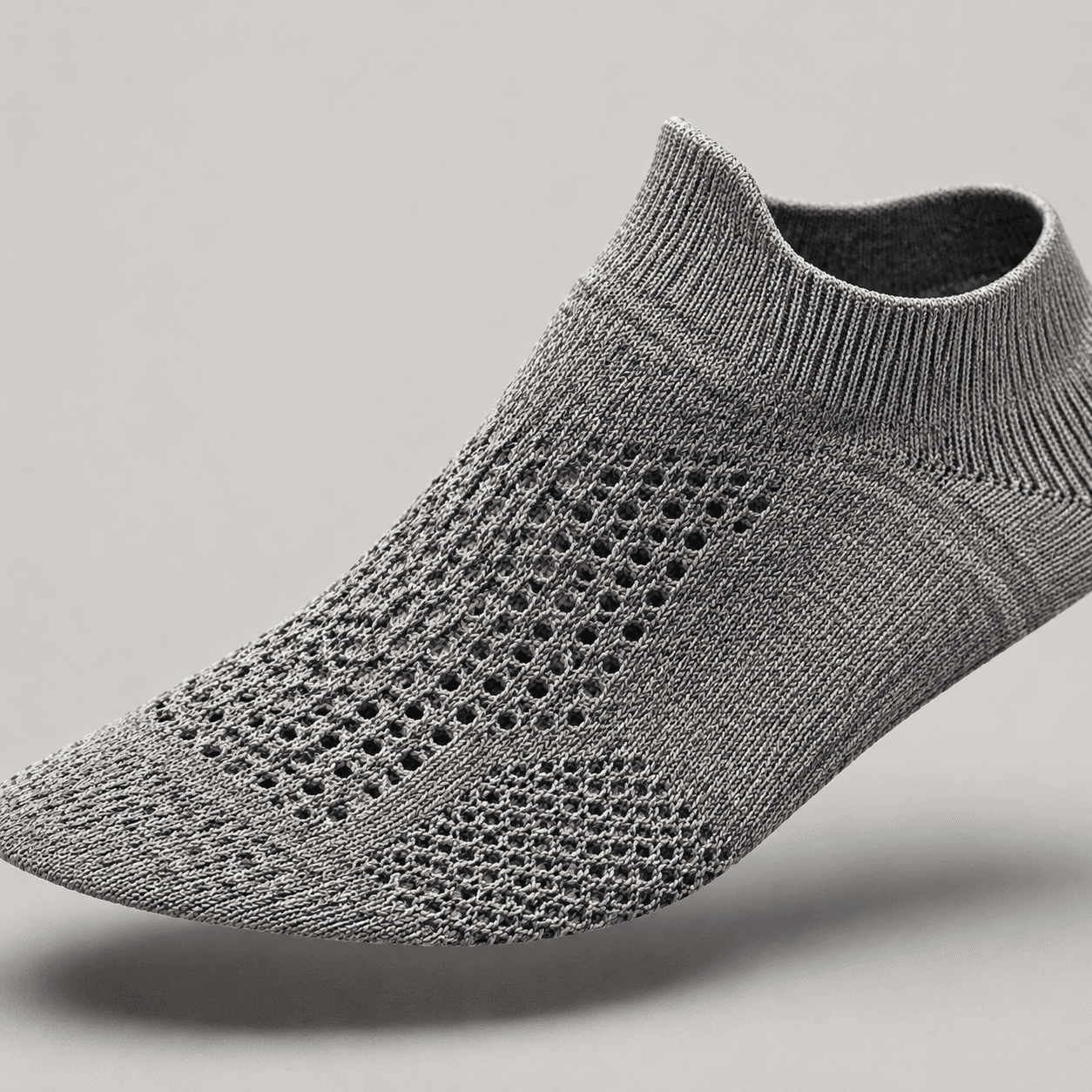
If you plan to buy sneakers in bulk, the first decision is not supplier selection. It is product definition. A factory can quote quickly from a photo, but that number is usually unreliable until the upper material, outsole compound, size range, packaging, and test requirements are fixed. In footwear, unclear specs create false price comparisons and expensive sample revisions.
For sourcing managers, brand owners, and importers, the real issue is repeatability. The right bulk sneaker supplier is the one that can hold fit, color, bonding strength, and packing consistency across 1,000 pairs and across repeat POs. That depends on factory capability, material sourcing discipline, and whether the style is built from stock components or requires new molds and custom materials.
This buyer decision guide breaks the process into the commercial and technical checkpoints that matter most when you buy sneakers in bulk from China: MOQ, FOB price build-up, lead-time by milestone, test standards, sample approval, packaging, and supplier fit.
When you buy sneakers in bulk, the safest factory is not the cheapest one. It is the supplier that can repeat the approved sample at scale, on time, and under measurable quality controls.
1. Lock the product specification before asking for FOB
A sneaker quote is only as accurate as the spec behind it. A cemented running-style sneaker with 130-150 GSM sandwich mesh, 3.0-3.5 mm EPE tongue foam, 45-50 Shore C EVA midsole, and RB outsole is not comparable to a knit upper with TPU heel clip, molded Ortholite-type sockliner, and custom rubber traction pattern. If the supplier is pricing from appearance only, the quote is a placeholder.
The tech pack should define construction, size range, target market, material thickness, foam density, logo application, packaging, and required test methods. Without that detail, factories will fill gaps with stock assumptions. One supplier may price 1.4 mm PU, another 1.1 mm PU. One may use 18-20 kg/m3 collar foam, another 25-28 kg/m3. The shoe looks similar, but the cost and feel are different.
For first-round quotations, insist on measurable inputs. Ask for mesh GSM, knit gauge, insole thickness, outsole hardness, and heel counter thickness. In supplier-side practice, this is what separates a workable FOB from a sales estimate.
- Confirm construction: cemented, strobel-cemented, cupsole, vulcanized, or injected.
- Specify upper materials by GSM, thickness, or grade, not by appearance only.
- State foam details: sockliner density, tongue foam thickness, collar foam density.
- Confirm outsole and midsole materials with hardness targets.
- Ask whether the outsole mold and last are stock or newly developed.
2. Break MOQ into style, colorway, sole, and packaging
MOQ in sneakers bulk programs is usually driven by raw material purchasing and line efficiency, not by the factory’s willingness to take small orders. For a stock upper and stock outsole, many Chinese factories can work at 500-800 pairs per colorway. For a custom upper with special mesh color, molded logo, or custom sole color, MOQ often moves to 1,000-1,500 pairs per colorway. New outsole tooling or special compounds can push total MOQ to 3,000 pairs or more.
Buyers often focus on the overall pair count and miss the hidden MOQ layers. A supplier may accept 1,200 pairs total, but require 600 pairs per colorway, 1,000 pairs per outsole color, 2,000 meters per mesh color, and 1,000 boxes per artwork. That is why one style is easy to order at low volume and another is not.
The practical sourcing question is whether the factory can consolidate your order on stock materials or whether every customization creates a new material minimum. This directly affects cash flow, inventory exposure, and the speed of reorders.
- Ask for MOQ by style, by colorway, and by outsole color.
- Confirm material MOQs for mesh, knit yarn, PU, suede, and lining.
- Check whether custom shoe boxes, tissue, and hangtags carry separate MOQs.
- Ask if mixed sizes and mixed colorways can share one production run.
- Clarify whether the sample material can be used in bulk or must be rebooked.
3. Normalize the quote before comparing suppliers
When you buy sneakers in bulk, FOB only matters if every supplier is quoting the same build. A basic mesh casual sneaker may quote at $6.80-$9.20/pair FOB. A knit runner with more upper labor and molded details may quote at $9.50-$13.80/pair. A fashion sneaker with microfiber suede, TPR foxing details, and custom cupsole can easily land at $11.50-$17.50/pair FOB. These are normal factory-side ranges, but only when the spec basis is aligned.
Ask what is included. Some suppliers include printed box, tissue, silica gel, spare lace set, and carton drop-test grade. Others exclude those items and add them later. The same problem appears with mold fees, logo plates, and sample refunds. One low quote can become the highest landed cost after revisions.
The clean way to compare a bulk sneaker supplier is to standardize the quote sheet: Incoterm, size ratio, pair count per carton, upper material standard, outsole material, packaging, and whether testing, mold charge, and pre-production samples are included.
- Use one quote format for all suppliers.
- Confirm whether FOB includes box, outer carton, tags, and spare laces.
- Check if mold cost, logo tooling, and sample charges are separate.
- Ask for price tiers at 1,000, 3,000, and 5,000 pairs.
- Flag any quote that does not state material assumptions.
4. Understand where the FOB price really moves
In sneaker sourcing, the biggest price drivers are upper material selection, outsole weight, labor complexity, and packaging. Changing from 120 GSM mesh to 180 GSM engineered mesh can add cost. Switching from a stock die-cut EVA sockliner to a molded PU footbed raises both material and processing cost. A heavier rubber content outsole with better abrasion performance costs more than a light EVA contact outsole.
Labor also matters. A simple upper with fewer overlay panels is faster to cut and stitch than a layered fashion sneaker with multiple edge-folded components, reflective underlays, debossed logos, and stitched foxing details. Two shoes with similar silhouettes can differ by more than $2.00/pair purely in upper labor.
If a supplier suddenly reduces price by $0.70-$1.50/pair, ask what changed. In practice, the reduction usually comes from lower foam density, thinner lining, less rubber in the outsole, reduced stitch count, or lower carton grade.
5. Ask for lead time by milestone, not one total number
A usable lead time for sneakers bulk orders should be broken into development, material booking, production, and packing. For stock-based programs, a realistic sample lead time is 7-14 days and bulk lead time is often 35-50 days after deposit and final confirmation. For custom builds with new outsole molds, dyed mesh, or special packaging, sample lead time can extend to 14-21 days and bulk production to 55-75 days. With new tooling, total time can reach 75-90 days.
The critical issue is what starts the clock. Some factories count from PO receipt, others from deposit, others from confirmation of materials and packaging artwork. Unless this is clear, delivery promises are not comparable.
Supplier-side delays usually come from mold scheduling, upper material dyeing, holiday labor shortages, and outsole compound batching. If you are booking for late-summer shipment, ask whether the stitching and assembly lines are already reserved. Capacity risk often appears long before production starts.
- Ask for sample days, material booking days, production days, and packing days separately.
- Confirm whether lead time starts from deposit, PP approval, or packaging confirmation.
- Check stock vs custom status for outsole, mesh, and insole materials.
- Ask about peak-season capacity in Q2 and Q3.
- Request a milestone schedule up to ex-factory date.
6. Set measurable quality standards before the PO
The most common footwear sourcing mistake is approving aesthetics but leaving performance vague. For sneakers, quality should be defined with measurable standards: outsole adhesion, upper flexing, abrasion resistance, color fastness, stitch density, weight tolerance, and fit consistency across the size run.
If the target market requires formal compliance, specify test methods up front. Depending on product category and destination, buyers may request EN ISO methods for abrasion, bonding, and color fastness, or ASTM methods for slip resistance and physical performance. A supplier should be able to discuss which tests are practical at material stage and which are validated on finished shoes.
Material data should also be numeric. For example, ask for sockliner foam density around 0.18-0.25 g/cm3 for standard comfort programs, EVA hardness in a stated Shore range, mesh GSM by panel, and upper stitch density per inch or per 3 cm. This makes sample approval repeatable in production.
- Specify EN ISO or ASTM methods where required by your market.
- Set measurable targets for bonding, abrasion, color fastness, and flexing.
- Request outsole hardness, foam density, mesh GSM, and stitch density in writing.
- Use AQL with clear critical, major, and minor defect limits.
- Approve one sealed reference pair for inline and final inspection.
What to control on common sneaker builds
On cemented sneakers, pay close attention to upper-to-sole bonding, toe lasting tension, and edge cement cleanliness. On cupsole styles, monitor foxing alignment, sidewall color consistency, and outsole weight tolerance. On knit styles, measure size stability after lasting because loose knit control can change fit between sample and bulk.
For retail programs with high return sensitivity, set tolerances for pair weight, outsole color delta, logo position, and insole thickness. Many claims come from inconsistency rather than absolute failure. A shoe that is acceptable at size 41 but unstable at size 45 is still a production problem.
7. Choose the right factory profile for your volume and complexity
A bulk sneaker supplier that is strong in simple private-label casual shoes may not be the right partner for performance-inspired knit runners or multi-material fashion sneakers. Factory fit matters. Large export factories usually control process better, but often prefer stable volumes and standardized development. Smaller factories may be flexible on MOQ, yet weaker on repeatability and documentation.
As a practical benchmark, orders under 1,000 pairs usually work best on stock soles and stock materials. Programs above 3,000-5,000 pairs, especially with several colorways, should go to factories with visible cutting, stitching, lasting, and finishing capacity, plus an organized QC team and material warehouse.
If you source through a trading company, verify the production site. Ask who owns the patterns, which plant does stitching, which plant does lasting and packing, and whether outsole production is in-house or subcontracted. This affects both quality control and delivery responsibility.
- 01Shortlist suppliers by product match and construction experience.
- 02Review similar shipped styles, not just showroom samples.
- 03Confirm whether the seller is factory-direct or managing subcontractors.
- 04Check factory capacity for your season and monthly pair count.
- 05Verify who controls QA, tooling, and final packing release.
8. Use samples to test production reality
A sample is useful only if it reflects what can be repeated in bulk. For custom sneakers, separate the stages: prototype for structure, material confirmation sample for actual components, and pre-production sample for final sign-off. Each stage should remove a different type of risk.
Common sample-to-bulk failures include outsole color drift, oversized logo prints, toe shape change after lasting, wrong foam density in the sockliner, and inconsistent fit grading between sizes. These are normal factory-side failure points, which is why the approval checklist must be technical, not visual only.
Before mass production, confirm key measurements such as insole length by size, pair weight tolerance, outsole hardness, tongue foam thickness, carton markings, and barcode position. Then keep one gold sample at the factory and one with your buying team.
- Request proto, material confirmation, and PP samples when the style is custom.
- Check grading, fit, weight, and component substitution between sample rounds.
- Approve all sample changes in writing against a revision list.
- Confirm sample charges, courier terms, and refund conditions on bulk order.
- Retain sealed gold samples for factory and buyer reference.
9. Lock packaging and freight variables before production starts
In footwear, packaging is not a minor afterthought. A shoe box that is 8-10 mm larger than necessary can materially increase ocean freight cube over a full container. For bulk orders, ask for inner box size, outer carton dimensions, pair count per carton, net weight, and gross weight before production begins.
Retail buyers should also control packaging quality standards. Outer cartons should match the required board grade, barcode placement should be fixed, and country-of-origin marking must be consistent with your import requirements. If the carton fails compression or the labels are inconsistent, the problem shows up at receiving, not in the factory.
A disciplined supplier can optimize freight cost by adjusting box nesting, tissue fold, and carton loading plan without downgrading the product. This matters when margins are tight and freight is volatile.
- Confirm shoe box size, carton dimensions, pair count, and gross weight.
- Ask whether silica gel, tissue, inserts, and spare laces are included.
- Specify carton board grade and label placement requirements.
- Request pre-shipment packing photos and carton marks for approval.
- Check whether the supplier can optimize cube without changing the shoe spec.
10. Negotiate for repeatability, claims control, and reorder stability
The lowest first-order price is rarely the best sourcing result. A supplier that holds color, fit, bonding, and delivery on repeat orders is usually more valuable than one that wins the first PO by cutting invisible materials. In sneakers, many expensive problems come from rework, delayed shipment, and claims, not from the opening FOB.
Negotiate on the basis of volume tiers, reorder terms, and material consistency. Ask for pricing at 1,000, 3,000, and 5,000 pairs, and ask how long the quote remains valid if oil, rubber, or PU costs move. For repeat programs, request the same material supplier and the same last unless changes are approved in writing.
Claims handling should also be agreed before bulk starts. Define inspection timing, acceptable defect levels, claims window after receipt, and whether replacement pairs, credit notes, or debit terms apply. This is standard commercial control, not distrust.
- Ask for volume-tier pricing and validity period of the quote.
- Lock key materials, last, outsole compound, and packaging in the PO.
- Agree on inspection stage, AQL standard, and claims window.
- Confirm deposit, balance, and shipping document release terms.
- Do not accept major price cuts without a revised material breakdown.
Key takeaways
- Lock construction, material thickness, foam density, mesh GSM, and outsole hardness before comparing prices.
- Break MOQ into style, colorway, outsole color, and packaging so hidden minimums do not distort the order plan.
- Use normalized FOB comparisons with the same Incoterm, size ratio, packaging spec, and included trims.
- Ask for lead time in milestones: sample, material booking, production, packing, and ex-factory release.
- Set measurable EN ISO or ASTM-aligned quality requirements and keep sealed gold samples for inspection.
- Choose a bulk sneaker supplier by repeatability, capacity, and claims control, not by the lowest opening quote.
SoleForge manufactures casual sneakers and athletic & running shoes under OEM and ODM for brands and importers worldwide. Request a quote with your tech pack or reference pair and we'll reply within one business day.