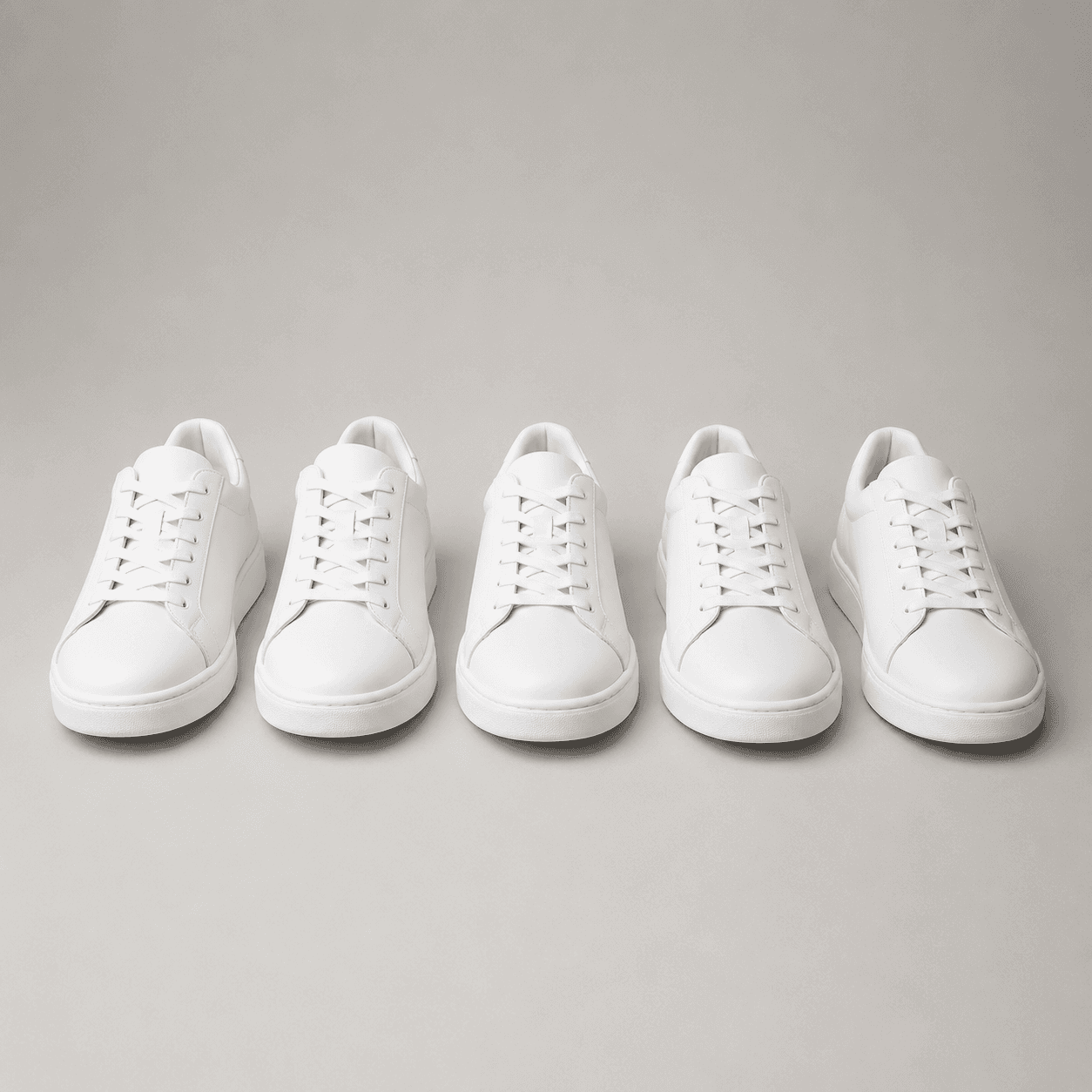
An exclusive shoe design ODM project should be defined by tooling, pattern control, and production rules before any sample is approved. For sourcing managers, brand owners, and importers buying footwear in bulk from China, the real issue is not whether a factory can change the look of a shoe. The real issue is which components are exclusive, what MOQ supports them, how many sampling rounds are needed, and what written controls prevent the same design from being sold to another buyer.
ODM can reduce development time because the factory already has category-specific lasts, bottom units, grading rules, pattern engineers, stitching operators, and sole suppliers. On a suitable platform, that can save 15-30 days compared with a full OEM build. But if the brief is vague, ODM usually slides into a catalog product with minor branding changes. That is not meaningful exclusivity and does not justify mold cost or sample spend.
This guide covers the process in production order: define the exclusivity scope, match the brief to the factory’s real capability, choose the right outsole route, engineer the upper for bulk repeatability, control sample approvals, lock cost and tooling terms, and release bulk only after testing and line controls are in place. The focus is practical footwear design development with measurable inputs such as MOQ, lead-time days, USD per pair, Shore A hardness, foam density, mesh GSM, and EN ISO or ASTM test references.
In footwear ODM, exclusivity is created by controlled tooling, patterns, materials, and written use rights—not by a logo change alone.
1. Define exactly what will be exclusive before requesting prices
Most delays in ODM footwear customization begin with one unclear phrase: “we need an exclusive design.” In supplier terms, exclusivity can mean a buyer-only colorway, a unique upper pattern on a shared sole, a restricted outsole texture insert, a private mold, or full style protection by market and channel. Each option changes the quote, material MOQ, sample lead time, tooling exposure, and the commercial terms the factory will accept.
For many first orders, the most efficient route is an existing ODM last and outsole combined with a custom upper package. That can often start at 800-1,200 pairs per color if the mesh, PU, lining, and lace are stock or near-stock. If the program uses custom jacquard, knitted upper yarn, molded badges, or custom color-compounded outsole rubber, the effective MOQ usually rises to 1,500-3,000 pairs because sub-suppliers do not support small dye lots efficiently.
If the buyer requires private mold shoes, the factory will normally quote separate tooling for outsole, possibly midsole, rubber pods, TPU clip, or shank. A standard sneaker outsole mold for EU 36-46 is often USD 4,500-10,000. A dual-density phylon midsole with rubber inserts, sidewall texture, and a visible TPU stabilizer can push tooling to USD 12,000-25,000. In that case, MOQ often moves to 1,200-3,000 pairs per color, or 5,000-8,000 pairs across a style to keep line efficiency and material purchasing workable.
- Define exclusivity by component: colorway, upper pattern, outsole, full shoe, market territory, or sales channel.
- Ask the factory to quote MOQ by color, total style quantity, and size run. Do not accept a single headline MOQ without size assumptions.
- State whether tooling is buyer-owned, factory-owned, or amortized into FOB. This changes both cash flow and use rights.
- Require the quotation to separate sample lead time, mold lead time, material lead time, and bulk lead time in days.
2. Build the brief around the factory’s actual construction and category strength
A factory that is strong in cemented lifestyle sneakers is not automatically strong in vulcanized footwear, strobel-running shoes, cupsole skate shoes, or waterproof hiking product. Exclusive sneaker design works best when the concept fits the factory’s established construction, outsole supply chain, and line capability. Otherwise, the sample room can make an attractive pair that the bulk line cannot repeat at acceptable defect rate.
A useful ODM brief should specify product type, use case, target FOB, size range, fit direction, construction, destination market, and annual volume estimate. For example: men’s casual sneaker, cemented construction, EU 40-46, wider forepart for US consumer fit, target FOB USD 12.20-13.80 at 3,000 pairs, phylon midsole density 0.18-0.22 g/cm3, rubber contact pads 60-63 Shore A, engineered mesh vamp 290-320 GSM, quarter PU 1.0-1.2 mm, molded EVA sockliner density 0.13-0.16 g/cm3, retail box packed 10 pairs per carton, for EU and US distribution.
The supplier should compare that brief with existing lasts and bottom units before any mold decision. If an existing last matches the fit target, the project can save 10-15 days and one fit correction round. If a new last is required, allow 7-12 days for last development and at least one wear-fit sample before the outsole shape is frozen. Opening a private outsole mold too early is one of the most expensive mistakes in footwear design development because later changes to toe spring, heel seat width, or toe shape can make the sole unusable.
Specify upper and comfort materials in measurable supplier terms
Words such as “premium,” “supportive,” or “soft handfeel” are not production specs. The upper bill of materials should define GSM, thickness, backing, lamination, color standard, and approved supplier reference. A workable instruction might read: polyester engineered mesh, 300 GSM +/- 5 percent, black dope-dyed yarn, fused no-sew support film 0.30-0.35 mm, vamp lining sandwich mesh 180-220 GSM, no glue strike-through allowed after lasting.
Foam and in-shoe comfort layers also need numbers. Collar foam may be 8 mm at 45-50 kg/m3. Tongue foam may be 10 mm at 35-40 kg/m3 if a softer hand is required. Die-cut EVA strobel filler may be 3.0 mm at 0.11-0.13 g/cm3. A molded EVA sockliner with top cloth can range from USD 0.35-0.80 per pair depending on mold complexity, heel cup depth, and top cover material. These details affect not only comfort but also lasting tension, fit volume, and final FOB.
3. Choose the outsole route based on exclusivity level, tooling budget, and order plan
In most ODM programs, the outsole is the biggest cost and timing decision. It drives visual identity, weight, flex behavior, wear resistance, and mold investment. There are three practical routes for custom outsole design: modify an existing outsole, create a hybrid platform using partly new components, or develop a full private mold.
The lowest-risk route is to modify an existing bottom. That usually means changing rubber insert color, sidewall logo plate, heel badge, paint line, small texture area, or outsole print. If the main cavity remains unchanged, tooling can be as low as USD 300-1,500. First corrected sole samples may be ready in 10-18 days. This route is suitable when target FOB is tight and the order is under 2,000 pairs per color, but the silhouette will still be recognizable to buyers who know the supplier’s range.
A stronger route is a hybrid bottom. The factory may keep an existing phylon midsole and last but develop a new rubber contact outsole, heel clip, TPU torsion piece, or tread plate. Tooling is commonly USD 1,500-5,000, with first sole samples in 25-35 days if the supplier already has a compatible compression or injection process. This is often the best balance for buyers who want visible differentiation without carrying the full risk of a new midsole and outsole system.
A full private outsole mold creates the strongest physical barrier against copying from the same supplier. For casual sneakers, allow 35-60 days for outsole drawings, 3D review, CNC or resin mock-up if needed, mold cutting, trial pressing, and correction. If the outsole includes multiple hardness zones, color-compounded rubber pods, or a TPU support frame, add 5-10 days. Mold approval should cover outsole weight in a reference size, flex-groove depth, sidewall thickness, bonding lip, rubber coverage percentage, and grading from sample size to full size range.
- Request bottom-view and sidewall drawings with parting lines, logo zones, flex points, thickness sections, and cavity code.
- Confirm compound and hardness before mold approval: casual rubber is often 58-62 Shore A; TPR may be 50-58 Shore A but usually has lower abrasion resistance.
- Ask for target outsole weight by reference size, for example EU 42 single outsole 320-380 g, so the mold does not become too heavy in production.
- Write the outsole mold code and exclusivity condition into the quotation, purchase order, and mold payment record.
4. Develop the upper as an engineered system, not a decoration exercise
A shared outsole can still support a commercially distinct product if the upper is developed correctly. In practice, buyers get the best exclusivity from a controlled pattern: vamp shape, eyestay angle, collar height, heel panel geometry, tongue construction, counter coverage, stitch density, trim method, and branding placement. This is where most efficient exclusive shoe design ODM programs create separation without carrying unnecessary tooling cost.
The factory should build the upper over the approved last shell, not over a catalog image. Once the shell is fixed, the buyer should review panel break lines, material direction, stitch allowances, reinforcement placement, and lasting margin. Typical upper materials include engineered mesh, jacquard, knitted upper, microfiber, split suede, PU, action leather, webbing, reflective film, TPU no-sew film, and molded badges. Each material has different MOQ and failure risks. For instance, custom jacquard may need 1,000-2,000 meters per color; knitted upper yarn programs may need 80-150 kg per color; custom molded rubber badges often need a small tool of USD 80-300 plus 2,000-5,000 pieces per color.
Branding must be selected by production stability, not only by sample appearance. Heat transfer can cost only USD 0.05-0.18 per pair, but on open mesh it can wrinkle or peel after repeated flexing. Embossed PU logos give a clean result but require consistent backing thickness. TPU welded logos need stable temperature and dwell time; if the upper laminate varies, adhesion becomes inconsistent. Metal badges are rarely efficient below premium FOB levels because they add weight, slow stitching, and can fail pull tests in flex zones.
Upper design also affects labor cost directly. A vamp with three no-sew overlays and two embroidered elements may look simple on paper but can add 0.35-0.80 USD per pair in labor and trimming compared with a two-panel stitched upper. A knitted collar may save stitching minutes but increase yarn MOQ and shape-control risk. The right choice depends on annual volume, not just the first PO.
- 01Lock the last and bottom unit before approving final upper pattern lines.
- 02Approve a material card with GSM, thickness, color standard, supplier source, and approved substitute material for each major component.
- 03Validate each branding method by location, adhesion requirement, and flex performance before salesman sample sign-off.
- 04Review one fit sample on foot before releasing final upper tooling, cutting dies, and logo molds.
5. Control sampling in stages and do not freeze the spec too early
Most ODM projects fail in bulk because a visual sample was treated as a production standard. A controlled sample path should include at least prototype, corrected fit sample, salesman sample, size set, and pre-production sample. Some simple upper modifications can move faster, but skipping stages usually transfers the risk to the bulk line, where corrections become slow and expensive.
A prototype sample is only for evaluating silhouette, rough proportion, panel balance, and outsole direction. It may use substitute mesh, hand-cut overlays, temporary logos, and stock laces. The corrected fit sample should address fit volume, toe shape, tongue height, collar opening, strobel alignment, and upper-to-outsole balance. The salesman sample should be close to final aesthetics and close enough in cost structure to support internal range decisions. The pre-production sample must use confirmed materials, confirmed logos, production outsole, approved packing method, and line-capable processes.
Lead times should be separated by stage. Existing outsole plus new upper pattern can produce first prototypes in 10-15 days. A custom upper using non-stock material normally takes 18-25 days after all swatches are confirmed. A new outsole mold can take 35-60 days before the first complete shoe sample is dependable. Size set review adds 7-12 days, especially if EU 36-46 or US women’s and men’s ranges are combined on one style. If lab testing is needed before production release, add another 7-15 days depending on the test package and queue.
- Prototype sample: checks shape, pattern direction, and construction feasibility.
- Corrected fit sample: checks fit, volume, collar height, toe spring, and lasting balance.
- Salesman sample: supports costing, sales presentation, and visual sign-off.
- Pre-production sample: becomes the sealed standard for cutting, stitching, lasting, packing, and final inspection.
6. Cost the shoe by component and lock tooling and exclusivity terms in writing
Two shoes that look similar can differ by USD 1.50-4.00 per pair in FOB because of outsole rubber ratio, upper yield, foam density, logo method, labor minutes, and packaging standard. The factory should break the quote into functional drivers: upper materials, lining, reinforcement, sockliner, outsole, midsole, trims, labor, packaging, testing, and tooling amortization. A sourcing manager does not need every supplier invoice, but does need enough transparency to understand what is moving the FOB.
Common cost changes are predictable. Upgrading from stock sandwich mesh to custom engineered jacquard may add USD 0.40-0.90 per pair. Moving from EVA contact bottom to full rubber outsole coverage can add USD 0.60-1.20 and 80-150 g per pair. A molded EVA sockliner with arch and heel cup may add USD 0.20-0.45 over a flat die-cut insole. Adding a TPU heel clip may add USD 0.25-0.70 plus the tool. Replacing a printed logo with a molded side badge may add USD 0.10-0.35 per pair after mold cost.
The buyer should also confirm whether development charges are refundable against bulk orders. Some suppliers charge USD 100-250 for a simple upper sample, USD 250-500 for a sample with custom materials, and separate mold trial fees if a new sole is required. If the project proceeds into bulk, part of that cost may be credited back after 3,000-5,000 pairs. That arrangement should be defined before sample approval so there is no dispute later.
Tooling terms are critical in any private mold shoes program. If the buyer pays the full mold cost, the contract should state the mold code, buyer-exclusive use, storage location, maintenance responsibility, inactivity period, and what happens if the buyer does not reorder for 18-24 months. It should also specify whether the factory may use the underlying outsole engineering, upper pattern shell, or sidewall concept for another customer. Paying for tooling does not automatically secure all related rights unless the agreement says so.
Protect more than the outsole mold
In ODM, exclusivity often leaks through the small assets rather than the main sole. The written agreement should cover upper patterns, cutting dies, logo molds, artwork files, outsole drawings, 3D files, color standards, and sample display rights. It should state whether the supplier can show the style in a showroom, sales deck, trade fair, online catalog, or social post. If that point is not written, many factories will assume they may still use the development as a sales reference.
7. Release bulk only after testing, line control, and exclusivity checks are complete
Before mass production starts, the buyer and supplier should agree on the applicable test package based on product type and market. For general footwear physical tests, factories often use EN ISO 20344 methods where relevant, even when the product is not safety footwear, because the method structure is familiar in labs. US programs may reference ASTM methods depending on claim and category. Chemical compliance may require REACH for EU, CPSIA-related controls for children’s product in the US, and buyer-specific restricted substance lists for adhesives, inks, PU, and metal trims.
For casual and fashion-sport shoes, the routine production package commonly includes bonding strength, flexing resistance, outsole abrasion, colorfastness to rubbing, lace and eyelet strength, sockliner adhesion, logo adhesion, heel counter rigidity, and carton drop performance. A cemented sneaker with EVA or phylon midsole and rubber contact pods may target bond strength around 3.0 kg/cm minimum, but the exact threshold should follow the buyer standard and material construction. Rubber abrasion, hardness drift, and paint cracking are common failure points when the supplier changes compound or coating late in the process.
The pre-production meeting should involve cutting, stitching, cementing, lasting, packing, and QC supervisors. The line needs the sealed pre-production sample, approved swatch card, outsole color chip, defect criteria, measurement spec, carton mark standard, and packing method. If the style uses a buyer-only upper pattern, the QC checkpoint should include panel placement, logo location tolerance, tongue height tolerance, stitch density, collar foam thickness, and outsole paint cleanliness. Small deviations are enough to weaken the exclusivity of the final product because the shoe starts to look like a factory variation instead of the approved design.
Before shipment, audit both goods and rights. Confirm that the outsole mold code, upper pattern code, and logo mold code match the approved documents. Confirm that any exclusivity by territory or customer channel is written in the commercial file, not only in email. For high-value programs, ask the supplier to mark buyer-exclusive molds and pattern archives in the internal system. This is simple to implement and reduces misuse risk when account managers or technicians change.
Key takeaways
- Define exclusivity at component level before quoting: colorway, upper pattern, outsole, full shoe, territory, or channel.
- Use the factory’s proven last and construction where possible to cut development risk and save 10-30 days.
- Custom outsole design should be chosen by budget and order plan: modify, hybridize, or open a full private mold.
- Upper exclusivity depends on measurable specs such as mesh GSM, PU thickness, foam density, logo process, and approved substitutes.
- Bulk should be released only from a confirmed pre-production sample using final materials, final tooling, and final packing.
- Tooling payment does not equal full exclusivity unless mold codes, pattern rights, and usage restrictions are written into the agreement.
SoleForge manufactures athletic & running shoes and casual sneakers under OEM and ODM for brands and importers worldwide. Request a quote with your tech pack or reference pair and we'll reply within one business day.