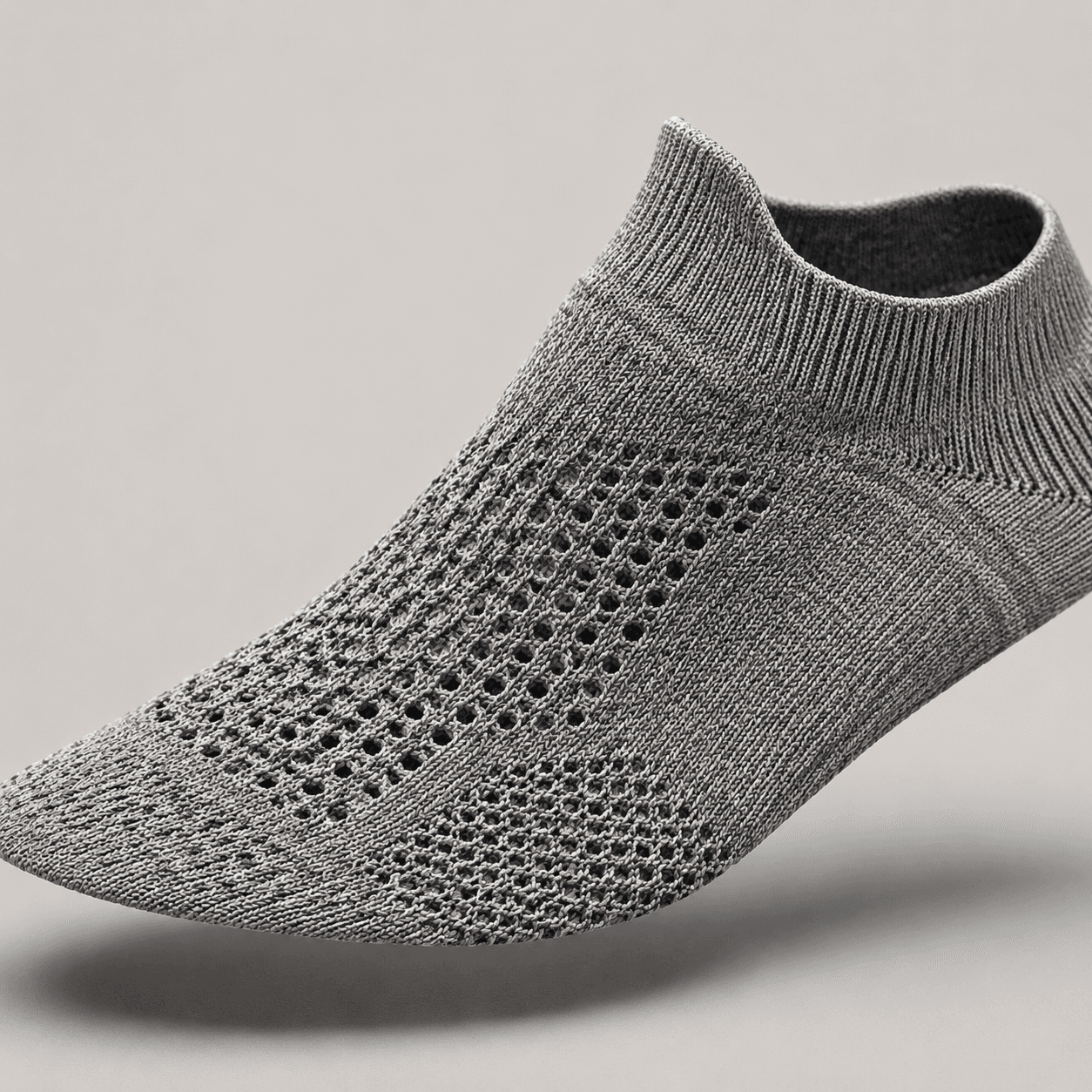
If you are learning how to start a shoe line, start with production control, not logo placement. A shoe is a fitted, load-bearing product made from a last, graded upper pattern, toe puff, counter, lining, foam package, insole board, outsole compound, adhesive system, packaging and test plan. Each item affects fit, cost, lead time and claim risk.
For sourcing managers, brand owners and importers buying footwear in bulk from China, the first commercial question is whether a supplier can repeat the approved sample at the agreed FOB cost, MOQ, lead time and AQL level. A new shoe brand sourcing project should define construction, target price, size run, color count, sample stages, test standards and carton packing before the factory reserves capacity or opens material purchase orders.
This deep explainer covers beginner footwear sourcing from the supplier side: what a collection is, how quotation and MOQ work, why EN ISO or ASTM testing must be agreed early, and when a private label shoes startup model is more practical than full custom development.
In footwear, the cheapest sample is not the cheapest shoe; the cheapest shoe is the one the factory can repeat in bulk without fit, bonding or compliance failures.
What It Means to Launch a Footwear Collection
To launch footwear brand production, a first collection should be a controlled set of styles sharing lasts, sole platforms, materials, color standards and packing. For most new importers, 3 styles in 2 colorways each is easier to control than 10 unrelated styles. Shared components reduce material MOQ, shorten sampling and make bulk inspection more consistent.
Footwear categories are not interchangeable. A vulcanized canvas factory is set up for rubber foxing, autoclave curing and canvas cutting. A cold cement sports shoe factory manages mesh uppers, phylon or EVA midsoles, rubber pods, strobel stitching and heat activation. A leather dress shoe factory works with lasting margins, leather yield, counters, linings and finishing. An EVA injection slipper plant quotes by mold set, compound color and cavity output.
The first sourcing decision is therefore factory fit. Asking one supplier to develop a trail runner, a molded slide, a leather loafer and a winter boot usually creates four supply chains, four costing models and four QC risk profiles. A tighter collection lets the factory use the same operators, molds, material vendors and inspection criteria across more pairs.
What It Is
A footwear collection is a production package, not a group of mood-board images. It should include the commercial brief, last reference, outsole platform, upper pattern direction, material specification, size range, grading rule, logo method, color standard, packing method, test plan and inspection criteria. In supplier terms, it is the data required to make repeatable shoes at an agreed FOB or EXW price.
Why It Matters
Most serious footwear defects cannot be repaired after lasting and sole attachment. Weak bonding, wrong toe spring, heel slip, cracked outsole compound, unstable PU, color migration or poor size grading can turn finished goods into unsellable inventory. A clear collection structure reduces sample rounds and prevents the supplier from quoting a product that cannot meet the buyer's margin, delivery window or compliance standard.
Start With Category, Consumer and Price Architecture
Factories quote by construction, material yield, sole process, tooling, color count, size curve, packaging and order quantity. Instead of asking for a "premium sneaker," define whether the product is a vulcanized canvas shoe, cemented cupsole sneaker, cold cement running shoe, molded EVA slide, TPR-injected casual shoe, leather loafer, waterproof boot or safety shoe. The risk points and machines are different.
Price architecture must be set before design is locked. A shoe retailing at USD 89 may need an FOB China cost around USD 14 to USD 22 per pair after duty, ocean freight, inland freight, warehousing, wholesale margin, returns and markdown allowance. A USD 35 mass-market canvas sneaker may need to sit at USD 5.80 to USD 8.50 FOB. A USD 120 leather sneaker might tolerate USD 22 to USD 32 FOB, but not if the brand also needs wholesale distribution margin.
For a private label shoes startup, the efficient route is usually to use existing factory lasts and outsole molds, then customize upper material, color, lace, sockliner print, woven label, box artwork and carton marks. Depending on category, MOQ may be 300 to 600 pairs per color for leather or casual shoes, 600 to 1,200 pairs per color for canvas and vulcanized shoes, and 1,000 to 3,000 pairs per color for molded EVA products. Full custom outsole development commonly moves the practical MOQ to 800 to 1,500 pairs per color and adds tooling charges.
- Canvas vulcanized shoes: USD 5.50 to USD 11.00 FOB, MOQ 600 to 1,200 pairs per color, sample lead time 10 to 18 days.
- Cemented fashion sneakers: USD 10.00 to USD 22.00 FOB, MOQ 500 to 1,000 pairs per color, bulk lead time 50 to 75 days after PP approval.
- EVA slides or slippers: USD 3.00 to USD 8.00 FOB, MOQ 1,000 to 3,000 pairs per color, mold and compound color drive the minimum.
- Leather casual or dress shoes: USD 18.00 to USD 45.00 FOB, MOQ 300 to 800 pairs per style/color if leather is in stock or shared.
- Performance running or trail shoes: USD 18.00 to USD 38.00 FOB, MOQ 800 to 1,500 pairs per color with higher bonding, flex, abrasion and slip testing.
When to Use Private Label
Use private label when speed, lower development cost and proven construction matter more than an exclusive outsole silhouette. It suits marketplace sellers, distributors, uniform programs, hotel slippers, basic sandals and first-season casual sneakers where sales demand is not proven. The buyer still controls the specification; the base last and sole are simply already available.
A private label sneaker can still specify 240 to 320 GSM canvas, 1.2 to 1.4 mm microfiber, 4 to 6 mm collar foam at 35 to 50 kg/m3, 3 to 5 mm PU sockliner foam at 110 to 160 kg/m3, polyester lining at 120 to 180 GSM and rubber outsole hardness at 58 to 65 Shore A. The limitation is exclusivity. Unless the agreement blocks it, other buyers may access a similar base.
When to Use Custom Development
Use custom development when the outsole profile, last fit, performance claim or brand identity must be proprietary. This applies to athletic footwear, orthopedic comfort shoes, outdoor footwear, safety shoes and fashion collections where the sole unit is visible brand equity. Expect more sampling, more testing and more calendar time.
A simple metal logo mold may cost USD 80 to USD 300. A rubber patch mold may cost USD 100 to USD 500. A new outsole mold can cost USD 800 to USD 3,500 per size set for EVA, TPR or rubber, and more for multi-density or multi-part tooling. Full tooling from EU 36 to 46 can exceed USD 8,000 to USD 25,000. Tooling ownership, exclusivity, mold storage, maintenance and replacement must be written before payment.
Typical First-Collection Sourcing Benchmarks
| Item | Private label / existing mold | Custom development |
|---|---|---|
| First sample lead time | 10-20 days after confirmed brief | 25-45 days with outsole tooling |
| Bulk lead time after PP approval | 45-75 days typical | 60-100 days typical |
| MOQ per color | 300-1,000 pairs depending on category | 800-1,500 pairs common |
| Tooling cost | Usually none; logo mold often USD 80-300 | USD 8,000-25,000+ for full outsole size run |
| Typical FOB range | USD 5.50-22.00 for common casual styles | USD 14.00-38.00+ depending on construction |
| Best use | Market test, distributor range, private label shoes startup | Proprietary sole, performance claim, long-term collection |
Build a Footwear Tech Pack That a Factory Can Quote
A factory cannot quote accurately from lifestyle photos. Small changes in pattern panels, material thickness, sole compound, logo method and packing can move cost by USD 0.20 to USD 4.00 per pair. A proper tech pack removes interpretation and lets multiple suppliers quote the same product.
The minimum footwear tech pack should state style name, category, gender, size range, construction method, last reference, upper material, lining, collar foam, tongue foam, toe puff, counter, insole, outsole, logo positions, stitching color, lace type, eyelet type, color standard, packaging, test requirements and target FOB. If the upper is leather, define thickness, grade, finish and whether split leather, corrected grain, action leather, microfiber or full grain is acceptable. If textile is used, define composition, GSM, weave or knit, backing, coating and colorfastness target.
Foam, sole and reinforcement specifications need numbers. A casual sneaker collar may use 6 mm sponge at 45 kg/m3. A sports tongue may use 8 to 10 mm foam with a mesh top at 180 to 220 GSM. A sockliner may use 4 mm PU foam at 120 kg/m3 with a 1 mm polyester top cover. Rubber outsoles may require 60 plus or minus 3 Shore A, DIN abrasion below an agreed mm3 loss, and flex resistance with no cracking after the agreed cycle count.
- 01Create a range plan with style count, colorways, size range, gender fit and target FOB per style.
- 02Select existing lasts and outsole molds where possible for the first launch.
- 03Provide 2D drawings, shell patterns or marked reference photos showing pattern lines and logo positions.
- 04List materials with thickness, GSM, foam density, hardness, finish and approved alternates.
- 05Define logo methods such as heat transfer, embroidery, debossing, woven label, rubber patch, screen print or metal trim.
- 06Add packaging details: shoe box board weight, tissue, silica gel, hangtag, barcode, carton ply, carton size, pair count and shipping marks.
- 07Confirm EN ISO, ASTM, CPSIA, Prop 65 or retailer-specific test requirements before approving the sales sample.
Understand MOQ, Sampling and Lead Time
MOQ is driven by the supplier's upstream chain. A tannery may require 300 to 500 square feet per leather color. A knitted upper mill may require 300 to 600 pairs per color. A rubber outsole vendor may require 800 pairs per compound color. A box printer may require 1,000 to 3,000 boxes per artwork. If a buyer orders below those levels, the supplier must use stock materials, combine orders or charge a higher price.
Sampling should be staged. A prototype checks concept, construction and approximate cost. A fit sample checks last, heel grip, toe allowance, instep pressure, ball girth, flex point and collar height. A sales sample checks appearance, branding and buyer approval. A pre-production sample confirms bulk materials, color, logo, size marking, packaging and workmanship before mass cutting. Skipping PP approval may save 7 to 10 days but can expose the full order to wrong leather shade, weak lining, incorrect label placement or size grading errors.
A realistic schedule using existing molds is 7 to 15 days for supplier matching and quotation, 10 to 20 days for the first sample, 15 to 30 days for revisions and sales samples, 30 to 45 days for material purchasing after deposit and PP approval, and 30 to 60 days for bulk production. Custom outsole tooling usually adds 25 to 45 days before a reliable wearable sample is ready. Peak season before back-to-school or winter boot production can add another 10 to 20 days.
How It Works
Most China footwear suppliers begin bulk production after receiving deposit, approved PP sample, approved material swatches, confirmed size breakdown, artwork files and carton marks. Standard new-buyer payment is often 30 percent deposit and 70 percent balance before shipment. Established importers may negotiate open account or 60-day terms after several clean orders, but first production should assume deposit-based purchasing.
The factory calculates material consumption from the pattern and size curve. Larger sizes consume more leather, mesh, foam, outsole compound, lining and carton volume. A quote based on women's EU 37 or men's US 9 may not hold if the final order includes EU 36 to 46 with a heavy skew to large sizes. The size breakdown should be locked before final costing.
Why It Matters
Low MOQ that ignores material minimums often appears later as substitution, higher unit price, mixed dye lots, delayed delivery or leftover material charges. A realistic MOQ discussion helps decide whether to reduce colorways, use one sole across several uppers, consolidate linings, share leather colors or increase quantity on the strongest commercial SKU.
Testing and Compliance Must Be Built In Early
Testing should be quoted before bulk production, not requested after finished goods are packed. For the EU market, importers often reference EN ISO methods for footwear flexing, abrasion, bonding strength, colorfastness, restricted substances and safety footwear where applicable. For the US market, buyers may use ASTM methods, CPSIA rules for children's footwear, California Proposition 65 screening and retailer restricted-substance lists.
Common physical tests include sole bond strength, upper flex, outsole flex, abrasion resistance, slip resistance, colorfastness to rubbing and color migration. Safety footwear requires stricter standards such as EN ISO 20345 or ASTM F2413, covering toe impact, compression, puncture resistance, electrical hazard and slip performance depending on the claim. Do not call a shoe safety, waterproof, slip resistant or orthopedic unless the test method and pass criteria are agreed.
Testing cost should be part of the launch budget. A basic physical package may cost USD 150 to USD 500 per style. Chemical testing can cost USD 300 to USD 1,500 or more depending on materials, colors and destination market. A children's shoe with PVC print, dark lining and metal trims may need broader screening than a plain adult canvas sneaker.
- Bonding strength: critical for cemented shoes, especially toe, waist and forepart areas after heat and humidity exposure.
- Flex resistance: important for rubber outsoles, PU outsoles, coated leather, synthetic uppers and cold-weather claims.
- Abrasion resistance: relevant for school shoes, work shoes, outdoor footwear and outsole wear claims.
- Colorfastness: essential for dark linings, suede, nubuck, printed textiles and contrast socks.
- Restricted substances: required for regulated markets and major retail channels, especially children's footwear and PVC components.
Costing: What Changes the Dollar per Pair
Footwear costing is built from material, cutting loss, labor, overhead, outsole processing, tooling amortization, packaging, testing allocation, financing and supplier margin. Material is usually the largest variable. Leather yield, mesh GSM, rubber compound, EVA density, metal hardware, adhesive system and insole quality all change the dollar per pair.
Moving from 1.2 mm microfiber to 1.4 mm full-grain cow leather may add USD 3.00 to USD 8.00 per pair depending on yield and leather grade. Upgrading a flat 3 mm EVA sockliner to a molded PU insole at 150 kg/m3 may add USD 0.60 to USD 1.80. A rubber outsole with better abrasion and slip performance may add USD 0.80 to USD 2.50 compared with low-grade TPR. A rigid printed box, tissue, spare laces, hangtag and stronger export carton may add USD 0.20 to USD 0.70 per pair.
Ask for a component-level cost breakdown. The supplier may not disclose full margin, but it can usually separate upper, lining, insole, outsole, labor, packaging and tooling. This lets the importer adjust the specification instead of simply demanding a lower price. If the target FOB is USD 12.50 and the sample costs USD 15.80, the solution may be fewer panels, a stock sole, lower-cost lining, standard box size or fewer colorways.
When to Change the Specification
Change the specification before the factory purchases material, not after the PP sample is approved. Practical reductions include using an existing outsole mold, replacing leather with microfiber, reducing embroidery size, removing metal trims, simplifying stitching, using stock laces, standardizing linings or consolidating outsole colors. Late changes create rework, unused materials and delivery risk.
Supplier Selection and Factory Audit
The right supplier is matched to category, volume and quality level. Ask what footwear it ships monthly, which markets it serves, whether outsole production is in-house or outsourced, which labs it uses, what constructions it runs daily and what MOQ it can support without substitution. A trader can be useful for mixed categories, but the buyer still needs to know which factory makes the goods.
A practical footwear audit should review cutting, stitching, lasting, bonding, pressing, heat activation, drying tunnels, material storage, finished goods storage and QC records. Bonding quality depends on roughing, primer, adhesive type, drying time, activation temperature, pressure, humidity and operator discipline. A clean showroom sample does not prove the bonding room can run 10,000 pairs consistently.
For orders above USD 30,000, or any new supplier producing regulated footwear, third-party verification is usually justified. Confirm business license, export record, factory address, production category, monthly capacity and sample room capability. If selling to retailers, check social compliance requirements before deposit. Many factories cannot pass a retailer audit on short notice.
Why It Matters
Launch delays often come from supplier mismatch. A sample room can make one attractive pair with extra handwork. Bulk production requires stable material sourcing, trained operators, repeatable fixtures and QC staff who understand footwear-specific defects such as poor pair matching, uneven lasting, open cement, off-center foxing, weak counter shape and incorrect flex point.
Bulk Production Control
After PP sample approval, control shifts from development to repetition. Bulk materials must match approved swatches, not supplier phone photos. Color should be checked under agreed lighting, commonly D65 for retail programs. Leather and textile lots should be inspected before cutting. Outsoles should be checked for hardness, color, flashing, deformation, contamination, logo clarity and size marking.
Inline inspection should start when 5 to 10 percent of production is complete. Check stitch density, seam alignment, quarter height, tongue length, eyestay position, logo placement, pair matching, lasting wrinkles, outsole bonding, size labels, box labels and carton marks. Final random inspection often follows AQL general inspection level II, with critical defects at 0, major defects at 2.5 and minor defects at 4.0 unless the buyer or retailer sets stricter limits.
Fit control must cover more than the confirmation size. Check the smallest, middle and largest sizes for insole length, outsole length, ball girth, instep, heel fit and flex position. A shoe can pass visual inspection and still generate returns if the EU 36 is too short or the EU 46 heel is loose because grading was not validated.
When to Place the First Bulk Order
Place the first bulk order only when product, supplier, cost, test plan and delivery schedule are stable. Do not pay a production deposit based only on a good-looking sample if material availability, MOQ, testing, packing, size breakdown and production slot are still open.
For a first collection, a disciplined buy works better than a wide SKU spread. A practical order might be 3 styles, 2 colorways each and 600 pairs per color, using one shared outsole platform and standard export packing. That creates 3,600 pairs total, enough for factory efficiency and market testing without excessive inventory exposure.
The supplier-side answer to how to start a shoe line is strict: reduce unknowns before money is locked into molds, materials and factory capacity. Footwear sourcing rewards clear specifications, stable components, early testing and controlled sampling. It punishes vague briefs, late artwork, last-minute material changes and unrealistic MOQ expectations.
SoleForge manufactures athletic & running shoes and casual sneakers under OEM and ODM for brands and importers worldwide. Request a quote with your tech pack or reference pair and we'll reply within one business day.