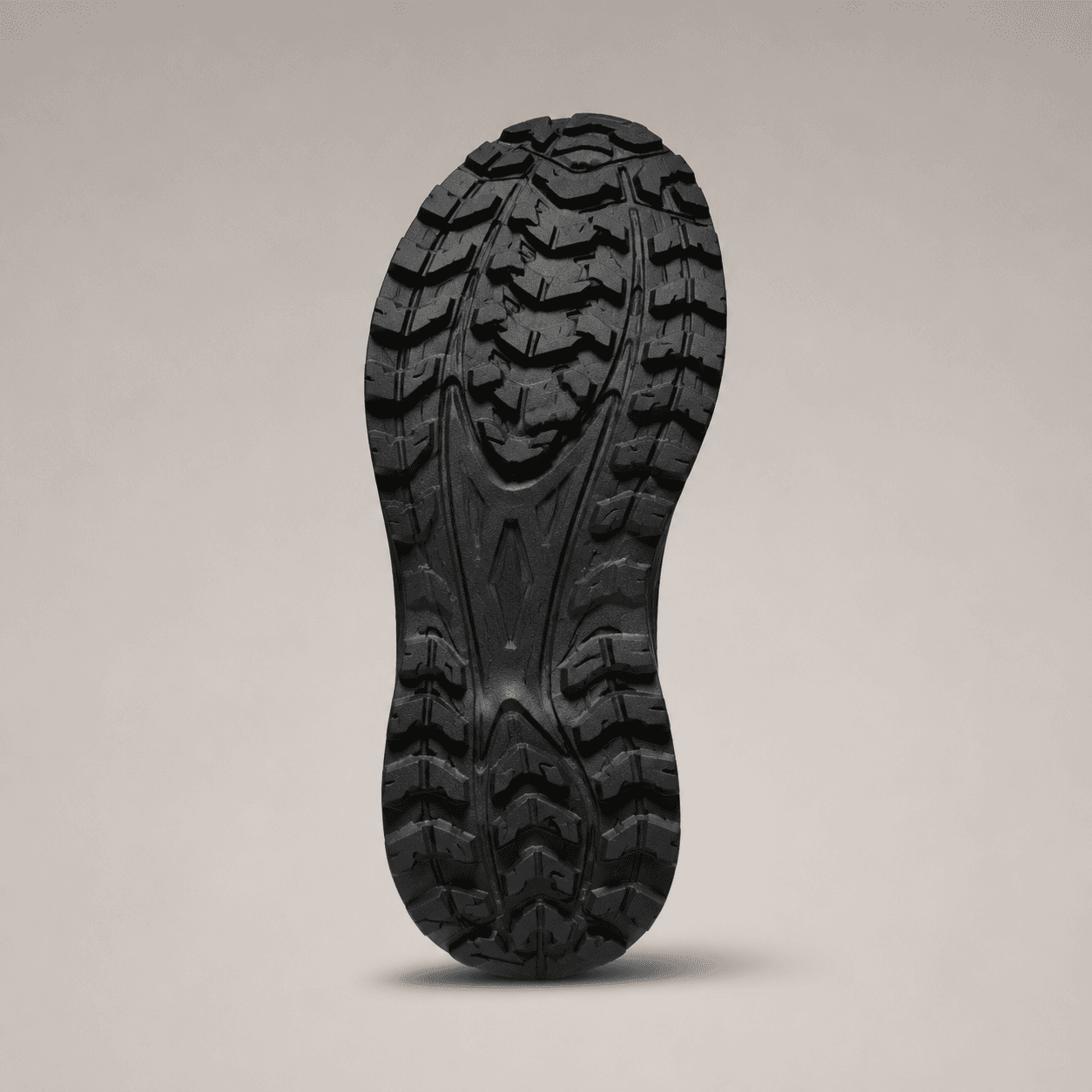
Sourcing vegan footwear is a commercial trade-off between price, material stability, and compliance control. Standard PU uppers and simple cemented builds can keep FOB near entry targets, but they also carry the highest risk of creasing, odor, hydrolysis, and bulk-to-sample variation. Microfiber, coated textiles, and technical sneaker assemblies reduce those risks, yet they push MOQ higher, add 5-15 days to material booking, and increase testing cost per style.
For China-based bulk buying, the key question is not whether a factory can make a vegan sample. Most can. The real question is whether the supplier can hold the same approved upper, lining, board, foam, and adhesive package from proto through PP and final shipment. That is the difference between a workable private-label order and a container that passes visual inspection but creates claims after 60 days in market.
This is why choosing a vegan footwear manufacturer should be treated as a side-by-side sourcing comparison. For sourcing managers, brand owners, and importers, the safest route is the one that matches retail positioning with the right upper family, the right factory type, and a BOM that can be verified by article code, GSM, thickness, density, and routine EN ISO or ASTM testing.
In vegan footwear, the safest supplier is not the one with the cheapest sample, but the one that can repeat the exact approved BOM in bulk.
The opening trade-off: cheapest FOB, stronger leather look, or lower claims rate
Most private label vegan shoes programs in China fall into three sourcing routes. First is entry-price fashion footwear using commercial PU and an existing outsole. Second is upgraded casual footwear using microfiber or coated woven uppers on cupsole, sidewall, or cleaner cemented constructions. Third is vegan sneaker production based on mesh, knit, hot-melt films, EVA midsoles, and rubber or RB pods. Each route changes the factory profile you need, the MOQ the supplier will accept, and the defect risks you are buying.
If the target retail is low and the collection turns quickly, standard PU on proven tooling is usually the only route that protects margin. If the brand sits in mid-market and wants fewer returns for wrinkles, upper cracking, or lining collapse, microfiber and better foam packages are the safer option. If the line includes runners or active lifestyle sneakers, the risk moves away from shelf appearance and toward foam fatigue, bond failure, and fit inconsistency caused by unstable knitted or laminated uppers.
- <strong>Entry-price route:</strong> PU upper 1.0-1.2 mm, tricot or sandwich mesh lining 120-180 GSM, insole board 1.5-1.8 mm, sockliner foam 3-4 mm, molded TPR/RB outsole. Typical FOB: $7.00-$10.50/pair at 1,200-3,000 pairs.
- <strong>Mid-market route:</strong> microfiber upper 1.2-1.5 mm, lining 160-240 GSM, 5-6 mm sockliner foam, cupsole or cleaner cemented sidewall. Typical FOB: $11.80-$17.50/pair.
- <strong>Sport-lifestyle route:</strong> engineered mesh or knit 180-260 GSM, hot-melt support films, EVA phylon 0.18-0.25 g/cm3, RB pods or full rubber outsole. Typical FOB: $15.50-$26.80/pair, excluding new mold amortization.
Compare upper material options by durability, handfeel, and bulk control
Upper material is where vegan footwear sourcing usually succeeds or fails. The issue is not the visible face alone. In bulk production, failure often comes from the backing cloth, reinforcement, edge coating, or adhesive stack being weaker than the sample. For animal free footwear sourcing, the correct comparison is not just PU versus microfiber. It is cost versus hydrolysis resistance, flex performance, cutting yield, and how stable the material remains after 30-45 days of production handling.
Factories in China typically quote four realistic upper routes for vegan collections: standard PU synthetic leather, microfiber synthetic leather, coated woven or coated non-woven composites, and mesh or knit uppers for sneakers. All four are commercially viable, but they are not interchangeable once the target FOB and claim tolerance are set.
Standard PU synthetic leather: lowest cost, highest variation between mills
Commercial PU is still the fastest route for bulk volume. It works for fashion sneakers, loafers, mules, low boots, and simple sandals where the upper is not under heavy flex stress. Good commercial grades in the 1.1-1.3 mm range with stable knitted backing can perform adequately for one season. Weak grades crease sharply, delaminate at folded edges, or produce strong solvent odor after packing.
On the supplier side, ask for total thickness, face film thickness if available, backing composition, and whether the material is stock service or made to order. A stock-service black or white PU can support 7-10 day sampling and 30-35 day bulk. A custom color or emboss generally adds 5-8 days. MOQ is usually 1,000-1,500 pairs per color if the style uses an existing last and outsole.
Microfiber synthetic leather: better structure and lower claims rate
Microfiber is the strongest all-round option when the buyer wants a leather-like handfeel without moving into unstable niche materials. It cuts cleaner, holds stitching better at eyestays and heel overlays, and usually gives better tear strength than standard PU. It also accepts cleaner edge paint and pressing, which matters on loafers, derby-inspired casuals, and premium court sneakers.
In pricing, microfiber usually adds $1.30-$2.80/pair over entry PU on a standard adult casual sneaker and up to $3.20/pair on boots or multi-panel styles with more cutting waste. A competent vegan leather shoes factory should quote the material by article number, thickness, backing type, color lot, and expected flex or rub performance. MOQ is commonly 1,500-3,000 pairs/style/color, with 35-45 days bulk after PP approval if the mill needs to book production.
Coated woven and recycled composite uppers: lighter weight but spec-sensitive
Coated woven materials are useful where the buyer wants a crisp shape with less weight than synthetic leather. They are common in weather-resistant casuals, hikers, utility sneakers, and modern ankle boots. These materials are highly spec-sensitive. A light coating improves handfeel but can fail abrasion tests. A heavier coating improves durability but can make the upper boardy and reduce comfort.
For sustainable synthetic uppers, recycled PET face fabric or knit is widely available from Chinese mills, but buyers need to ask exactly what is recycled. In many offers, only the face yarn is recycled while the backing, film, and reinforcement layers are virgin. For structured casual shoes, coated woven uppers often run at 280-420 GSM. For lighter sneakers, coated mesh or knit may sit around 180-260 GSM. Bulk lead time is usually 35-42 days if the article is known to the mill, longer if custom lamination is needed.
Mesh and knit for vegan sneaker production: best for athletic look, highest process risk
Mesh and knit are the correct route for lighter, more breathable sneakers, but they require the tightest process control. Heat-setting, stretch recovery, lamination temperature, print alignment, and hot-melt placement all affect fit and appearance. Two factories can receive the same tech pack and still deliver visibly different shoes because their upper handling and lasting control are different.
A supplier doing vegan sneaker production should be able to define mesh or knit GSM, foam package, toe puff hardness, heel counter thickness, and outsole density before wear testing starts. Add 5-10 days when the upper includes jacquard logos, engineered knit zones, reflective transfers, or layered hot-melt cages. MOQ is usually 2,500-5,000 pairs/style/color unless the factory already runs similar upper programs on shared tooling.
Comparison of common vegan footwear sourcing routes
| Route | Typical MOQ | FOB Range | Lead Time | Best Fit |
|---|---|---|---|---|
| Standard PU casual on existing outsole | 1,000-1,500 pairs/style/color | $7.00-$10.50/pair | 30-35 days bulk | Entry-price private label, trend-led programs |
| Microfiber premium cupsole or casual | 1,500-3,000 pairs/style/color | $11.80-$17.50/pair | 35-45 days bulk | Mid-market collections needing better handfeel and lower returns |
| Coated woven or recycled composite casual | 1,500-2,500 pairs/style/color | $10.80-$16.20/pair | 35-42 days bulk | Structured lightweight casuals and utility-inspired styles |
| Technical mesh or knit sneaker | 2,500-5,000 pairs/style/color | $15.50-$26.80/pair | 45-55 days bulk | Lifestyle runner and athletic-inspired vegan sneaker production |
| Dedicated vegan footwear manufacturer program | 2,000-5,000 pairs/style/color | $12.00-$26.00/pair | 35-55 days bulk | Repeat seasons, retailer compliance, and stricter BOM control |
Compare supplier types: general fashion factory versus dedicated vegan footwear manufacturer
A general fashion shoe factory can make vegan products, especially in women’s casuals, simple court sneakers, and PU-driven collections. Its main advantages are lower opening MOQ, broader pattern flexibility, and better speed on trend-led uppers. The weakness is BOM discipline. Hidden components such as insole board, toe puff, reinforcement sheet, edge binding tape, and stock adhesive are often chosen by production teams unless the buyer blocks substitutions line by line.
A dedicated vegan footwear manufacturer usually costs slightly more but tends to manage declarations, supplier article codes, and substitution control better. This matters when the collection is sold to retailers asking for material breakdowns or when repeat orders must match the first shipment closely. These factories are not automatically premium in workmanship, but they are generally safer at handling animal-free component control across multiple production lots.
- <strong>General factory strengths:</strong> MOQ from 800-1,200 pairs on repeat constructions, sample lead time 7-10 days, lower sample cost, easier trend adaptation.
- <strong>General factory risks:</strong> undocumented stock board, standard hot-melt or glue use, and weaker traceability on hidden components.
- <strong>Dedicated vegan supplier strengths:</strong> clearer BOM traceability, better material matrix control, easier retailer documentation, lower substitution risk.
- <strong>Dedicated vegan supplier cost effect:</strong> usually +$0.40-$1.20/pair on equivalent construction, sometimes offset by lower claim rate and fewer reworks.
Compare testing and compliance routes: material claim versus production control
Testing only the development sample is not enough. In footwear, the material lot booked for bulk often differs from the lot used for protos, especially when the proto was made from stock material. A buyer should ask whether the factory runs its checks on lab swatches, upper-cut panels, or bulk-made pairs. The safest answer is a combination: material-level verification before cutting and finished-shoe checks on first production output.
For lifestyle shoes, useful test control includes upper flexing, color fastness to rubbing, adhesion of upper to sole, and hydrolysis or aging risk where coated synthetics are involved. For sneakers, add foam density and compression set because comfort failure creates high return rates even when the shoe looks acceptable. If the order ships to the EU, UK, or US, the factory should at least understand the target EN ISO or ASTM methods and the commercial threshold required by the buyer or retailer.
- 01Build a full vegan BOM at proto stage: upper, lining, strobel, insole board, sockliner, foam, toe puff, heel counter, thread, glue, labels, box, and tissue.
- 02Freeze all approved materials by supplier article code, thickness, GSM, density, and color reference before PP sample approval.
- 03Require bulk swatches or pre-cutting photos from the exact production lot, not substitute lab cards.
- 04Test one or more bulk-made pairs for bonding, flex, abrasion, and comfort-related foam properties before balance payment.
- 05Keep a sealed top-of-line sample signed by both parties and use it as the inspection standard during final random inspection.
Concrete footwear specs buyers should state
For private-label casuals, useful starting specs include lining weight at 160-240 GSM, insole board thickness at 1.5-2.0 mm, toe puff 1.2-1.5 mm depending on shape, and sockliner foam at 4-6 mm. For sneakers, EVA midsoles commonly run around 0.18-0.25 g/cm3 for lightweight fashion runners, while PU comfort insoles often sit around 0.22-0.30 g/cm3. Rubber outsole hardness and abrasion expectations should also be defined when the product is sold as daily-wear street footwear.
On testing language, be specific. Ask for EN ISO 17707 or equivalent flexing on uppers where relevant, EN ISO 20344-based outsole abrasion or bond-related checks where applicable, ASTM D3574-type foam property reference where the factory uses foam vendor data, and color fastness or crocking checks on coatings and linings. The exact method can vary by lab, but the performance target should be agreed before quoting and sampling.
Compare MOQ, development time, and bulk lead time by construction type
Lead time in vegan footwear is driven more by materials than by stitching capacity. A factory may have free sewing lines, but if the approved microfiber, recycled knit, foxing rubber, or custom insole board is not booked immediately after PP sign-off, the order slips. Buyers should separate stock-service materials from mill-order materials during quotation. If the supplier cannot do that clearly, the quoted lead time is probably optimistic.
In practical China schedules, first proto usually takes 7-15 days, revision sample 5-10 days, PP sample 3-7 days, and bulk 30-55 days depending on the route. New outsole tooling adds 12-20 days for development, plus trial corrections if fit or sidewall geometry is off. Vulcanized constructions and fully custom knit uppers usually require more schedule buffer than standard cemented casual shoes.
- <strong>Repeat PU casual on existing outsole:</strong> MOQ 1,000-1,500 pairs/color; sample 7-10 days; bulk 30-35 days.
- <strong>Microfiber cupsole sneaker:</strong> MOQ 1,500-2,500 pairs/color; sample 10-14 days; bulk 35-45 days.
- <strong>Coated woven casual boot or utility sneaker:</strong> MOQ 1,500-2,500 pairs/color; sample 10-14 days; bulk 35-42 days.
- <strong>Technical knit or mesh runner:</strong> MOQ 2,500-4,000 pairs/color; sample 12-18 days; bulk 45-55 days.
- <strong>New outsole mold:</strong> tool development 12-20 days before normal PP and bulk timing.
Compare FOB by product category, not only by upper material
A common buying mistake is to compare only the vegan material and ignore construction complexity. In footwear, labor content, outsole package, and mold amortization can change FOB almost as much as the upper itself. A simple slip-on with microfiber may still cost less than a multi-panel PU sneaker with padded collar, logo deboss, molded heel clip, and foxing treatment. The buyer has to cost the full shoe, not just the upper swatch.
For China FOB planning, a workable price ladder is this. Simple slip-ons, mules, and basic sandals: $6.50-$9.20/pair. Vulcanized or simple cupsole sneakers: $8.80-$13.80/pair. Premium microfiber cupsole or structured casuals: $12.50-$18.80/pair. Technical runners with EVA/RB package: $15.50-$26.50/pair. Add roughly $0.25-$0.70/pair for upgraded boxes or inserts, $0.40-$1.10/pair for certified recycled-content materials, and more if the order needs branded hardware, custom eyelets, or mold-specific logo parts.
- <strong>Main cost drivers:</strong> panel count, outsole mold ownership, lamination or hot-melt work, lining GSM, foam grade, and packing spec.
- <strong>Hidden cost adders:</strong> custom color dye lots, extra lab dips, first-run reject allowance on technical uppers, and split shipments.
- <strong>Best negotiation lever:</strong> keep one outsole and one last across 3-5 colorways or across adjacent gender programs where grading allows.
- <strong>Poor negotiation lever:</strong> forcing the FOB down while leaving article codes open, which usually invites material substitution.
How to brief a supplier so the vegan claim survives into bulk
The sourcing brief must read like a footwear engineering sheet. If the factory only sees 'vegan upper' or 'animal-free material,' production will default to ordinary stock components for the hidden parts. That is where most private-label failures happen. State the allowed upper family, the lining weight range, the foam density target, the adhesive restrictions, and the components that cannot be changed without approval.
For private label vegan shoes, require a signed material matrix listing supplier name, article code, thickness, GSM where relevant, color reference, and end use for each component. Then match that matrix against the pre-production sample and the bulk swatches before cutting starts. This is simple discipline, but it is the most effective way to prevent the common problem of a premium sample followed by downgraded bulk production.
- 01State target FOB, order volume, and retail positioning by style.
- 02List every visible and non-visible component that must be animal-free.
- 03Approve upper, lining, reinforcement, board, foam, and outsole by article code, not by description only.
- 04Require confirmation that sample and bulk use the same source materials before deposit release or cutting approval.
- 05Use top-of-line or inline inspection on the first order to verify density, bonding, appearance, and carton assortment.
Verdict: choose the lowest-risk construction that still fits your target retail
If the collection is opening-price and fashion-led, buy from a disciplined general factory using proven PU and an existing outsole. Keep the construction simple, limit custom components, and spend your control budget on article-code approval and bulk inspection. That route usually gives the best margin protection as long as you accept a higher risk of cosmetic variation than with microfiber.
If the line is mid-market or premium, microfiber is usually the best commercial balance. It costs more than PU, but it gives stronger structure, cleaner edge finishing, and lower risk of upper-related claims. In that case, a dedicated vegan footwear manufacturer is often worth the extra $0.40-$1.20/pair because the factory is more likely to control hidden components correctly.
If the range includes lifestyle runners or performance-inspired product, pick the supplier with the best process control rather than the cheapest quote. In bulk animal free footwear sourcing, the winning factory is the one that can repeat the approved upper GSM, foam density, outsole compound, and fit across every pair shipped. For most private-label importers buying from China, that consistency matters more than saving $0.60/pair on the first PO.
SoleForge manufactures casual sneakers and sandals & slippers under OEM and ODM for brands and importers worldwide. Request a quote with your tech pack or reference pair and we'll reply within one business day.