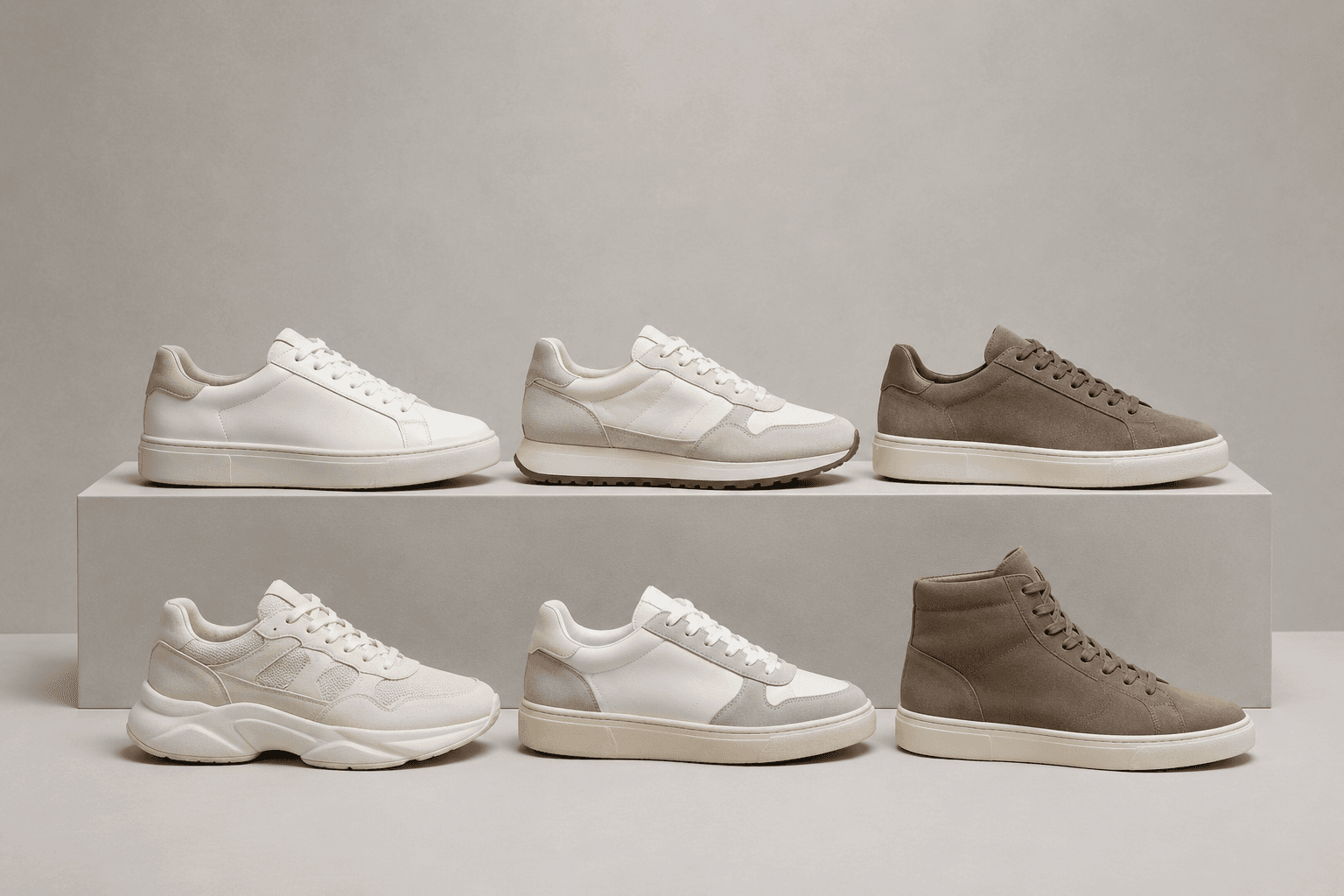
A shoe pre production meeting is the final control point before a footwear factory releases materials, tooling, and line instructions for bulk. It happens after sample approval and PO confirmation, but before upper cutting, logo application, outsole color matching, stitching release, and packing material printing. The purpose is simple: convert an approved sample into a measurable factory standard.
In footwear, this is where buyers need specifics, not general approval language. A factory cannot run bulk on comments such as "match sample" or "same as confirmation pair." Bulk teams need exact controls: microfiber 1.4-1.6 mm, mesh 220-240 GSM, tongue foam 8 mm at 45-50 kg/m3, outsole Shore A 58 +/- 3, stitching 5-6 stitches/cm, sockliner rebound standard, carton gross weight under 15 kg, and barcode location within a fixed tolerance.
For China-made bulk footwear, most preventable claims start with a weak PP meeting footwear process. Common failures are outsole shade variation between mixing lots, vamp material changed to a thinner grade, collar foam too soft, toe puff too weak, box barcode version not updated, or shoes packed before cement curing is complete. Once cutting starts, corrections become expensive. A wrong upper material can add 5-10 days. An outsole recolor can add 7-12 days. Repacking usually costs $0.08-$0.30 per pair. A sole bonding claim after shipment can easily exceed the factory's profit on the order.
In footwear, a pre-production meeting is the point where an approved sample stops being an opinion and becomes a manufacturing standard.
What a shoe pre production meeting is
A footwear pre-production meeting is the formal review where buyer and factory confirm the exact standard for bulk production approval. In practice, it sits between sample room approval and production floor release. The output should be a PP report with approved references, open points, owner names, and release status for each process.
In a shoe factory, the sample room can understand design intent, but bulk is executed by separate teams: cutting, stitching, stock fitting, lasting, bottom assembly, finishing, packing, and quality control. Each team needs numerical instructions. If the sample room used hand selection of the best material panels, bulk must know whether that is realistic at the ordered quantity and target FOB. If the confirmation sample used 50 kg/m3 collar foam and bulk purchasing books 35 kg/m3 to save $0.04-$0.07 per pair, the fit and shape will change. The PP meeting exists to stop that gap.
It is also the point where commercial reality is checked against the approved sample. A sample can be visually correct and still fail as a bulk standard if MOQ changed, size ratio changed, destination market changed, or the approved supplier cannot support the order quantity within the required lead time.
Who should attend
On the factory side, merchandising, production planning, technical or sample room, cutting, stitching, assembly, QC, and purchasing should all be present. If the style uses vulcanized construction, direct injection, cemented cupsole, waterproof seam sealing, molded EVA footbed, steel toe, aluminum toe, or puncture-resistant plate, the relevant engineer must join. For safety footwear, the compliance or lab coordinator should attend because EN ISO and ASTM claims cannot be handled by merchandising alone.
On the buyer side, the ideal group is sourcing, technical or development, and quality. If only sourcing joins, many important details stay unchallenged: foam density, board stiffness, compound hardness, pull strength, flex standard, or label compliance. If the meeting is remote, every approval should still be tied to photos, swatches, component codes, and a sealed sample reference.
What should be ready before the meeting starts
The factory should prepare the approved sample, latest tech pack, graded size spec, BOM with supplier codes, upper and outsole color standards, logo artwork, packaging artwork, testing protocol, inspection plan, and order breakdown by size and colorway. If the order has custom parts, the factory should also prepare strike-offs or molded references for outsole, eyelet, lace tip, woven label, hangtag, and carton print.
No meeting should start with missing files and verbal memory. In footwear bulk production, memory turns into assumption, and assumption turns into claims, chargebacks, or shipment delays.
How the PP meeting footwear process works in a factory
A proper factory pre-production review moves through the shoe component by component, then process by process, then shipment by shipment. The approved sample must be on the table. So should material swatches, color chips, outsole samples, logo strike-offs, box print, size labels, carton marks, and if possible a trial-cut upper or pilot pair. This reduces the risk that the line follows the BOM while visually drifting away from the sample.
Each point should be recorded in a PP report with comment, owner, due date, and release status. Any unresolved item should be a hold point. If chromium VI, phthalates, PAHs, SCCP, DMFu, formaldehyde, AZO dyes, or CPSIA screening is still pending, the affected material should not be released. If ASTM F2413 or EN ISO 20345 toe impact and compression confirmation is incomplete, safety bulk should not proceed beyond approved pilot scope.
For most orders above 5,000 pairs, a pilot run after the meeting is good practice. Typical pilot size is 30-100 pairs. For more technical footwear such as hiking boots, vulcanized canvas, direct-injection safety shoes, waterproof seam-sealed boots, or molded sandals, 50-200 pairs is more realistic because early process variation is higher. Buyers should confirm whether the pilot is cut from true bulk material or from leftover sample material. That difference matters.
- 01Confirm PO quantity, size ratio, color split, market, Incoterms, ex-factory target, and latest vessel or cargo cutoff.
- 02Review the approved sample against the BOM line by line: upper, lining, reinforcement, foam, toe puff, counter, insole board, sockliner, outsole, midsole, lace, eyelet, zipper, webbing, labels, and box.
- 03Confirm last number, fitting comments, grading scale, and size tolerances for insole length, topline opening, heel height, forepart girth, and shaft height where applicable.
- 04Review process controls: cutting direction, material nesting restriction, seam allowance, stitch density, lasting margin, roughing area, primer, cement type, heating temperature, pressing pressure, curing time, and finishing standard.
- 05Confirm testing requirements by category and market: chemical, physical, adhesion, flexing, abrasion, slip, water resistance, impact, compression, puncture, and electrical hazard where applicable.
- 06Approve packaging and shipment details: pairing method, stuffing, tissue GSM if specified, barcode location, carton assortment, shipping marks, pallet rule, and container loading method.
- 07Release pilot or bulk only after all critical points are approved in writing and all hold points have a named owner and closure date.
Material confirmation is where bulk problems usually start
Material substitution is still the most common source of avoidable claims. Two materials can look similar under office light and perform very differently in cutting, stitching, lasting, or wear. A thinner microfiber may wrinkle more at the toe. A lower-grade PU may crack sooner in flexing. A softer foam may collapse in two weeks of wear. The PP meeting should confirm supplier code, thickness, backing construction, finish, color standard, lot tolerance, and MOQ impact for every critical component.
Examples matter. If the approved upper is microfiber 1.4-1.6 mm, do not accept 1.2-1.4 mm without written approval even if the color is close. If the vamp mesh in the approved sample is 230 GSM and bulk comes in at 180 GSM, embroidery tension, print opacity, and tear strength will change. Collar foam at 35 kg/m3 may save cost, but 45-50 kg/m3 normally gives better recovery for running shoes and casual sneakers. EVA sockliner hardness and rebound should also be specified, not assumed. A 4 mm die-cut EVA at 50-55 Shore C behaves very differently from a softer grade when packed in hot containers for 25-35 days transit.
Construction standards must be turned into line instructions
An approved confirmation sample often reflects technician-level workmanship, not true line repeatability. Bulk success depends on whether line operators receive measurable instructions. The PP meeting should define stitch density, seam alignment tolerance, backstay centering, sidewall glue limit, foxing height, toe spring, outsole centering tolerance, and heel seat appearance standard. If the style includes decorative stitching, define thread ticket number and SPI. If it uses reflective piping, hot-melt film, or screen print, define edge lifting tolerance and abrasion requirement.
Bonding control deserves more detail than most buyers ask for. For cemented shoes, confirm roughing depth, primer type, cement system, open time, heating temperature, pressing time, pressing pressure, and minimum cure time before packing. As a practical rule, many cemented casual and sport shoes should not be packed immediately after assembly. If shoes are packed before full bonding cure, container heat can trigger separation. Saving one day in production can create a return claim worth $1.00-$3.00 per pair on simple casual shoes and more on branded athletic styles.
Common points to verify in a shoe pre production meeting
| Area | What to confirm | Typical risk if missed | Typical impact |
|---|---|---|---|
| Upper materials | Supplier code, thickness, color, GSM, backing, finish | Wrinkles, shade variation, poor wear | Rework or remake, 5-10 days |
| Foam and internals | Collar/tongue foam density, toe puff, counter, insole board | Poor comfort, shape collapse, fit change | $0.10-$0.40/pair correction or claim |
| Outsole | Compound, hardness, color chip, mold number, abrasion/slip target | Wear complaint, mismatch, bonding issue | 7-12 day delay if remake |
| Construction | Stitch count, lasting margin, cement process, curing time | Open seams, glue marks, sole separation | High claim risk after shipment |
| Testing | EN ISO/ASTM or retailer protocol, chemical and physical pass criteria | Failed compliance or market rejection | Blocked shipment |
| Packaging | Box label, barcode, carton assortment, weight, shipping marks | Warehouse rejection, mixed sizes | 1-5 days sorting and re-pack |
| Timeline | Material ETA, pilot date, bulk start, inspection, loading | Missed ex-factory date | Freight premium or lost delivery window |
Why it matters commercially and technically
A disciplined shoe production checklist at PP stage protects delivery, cost, consistency, and claim risk. In footwear, one uncontrolled change often creates three more. A softer counter changes heel grip. A weaker toe puff changes toe shape. A lower-density midsole changes comfort and compression set. A different rubber compound changes slip performance and abrasion. The PP meeting is where these chain reactions are controlled before the factory commits labor and material.
It also limits hidden cost. A late outsole color change after rubber batch mixing can cost $300-$1,500 depending on mold size, quantity, and compound. Box reprint usually adds $0.12-$0.35 per pair when sorting, relabeling, and labor are included. Late size-label changes can delay loading by 2-5 days if the factory has already packed full runs. If the order is FOB and the vessel cutoff is missed, the buyer may also face airfreight or premium sea freight decisions that erase margin immediately.
From the supplier side, accurate footwear order confirmation improves planning discipline. A 10,000-pair running shoe with three colorways, two outsole compounds, molded sockliners, and custom printed boxes commonly needs 45-60 days after all materials are in-house. A 6,000-pair cemented casual shoe using standard PU and stock laces may run in 30-40 days. A direct-injection safety boot with steel toe, puncture plate, and EN ISO or ASTM verification can require 60-75 days. If buyers keep changing tongue label, outsole logo, sockliner print, or carton ratio after PP approval, the line plan becomes unstable and other booked orders are affected.
- Typical avoidable delay from late upper material correction: 5-10 days
- Typical avoidable delay from outsole color remake: 7-12 days
- Typical added cost from packaging rework: $0.08-$0.30 per pair
- Typical claim exposure from bonding failure on low-end casual shoes: $0.50-$2.00 per pair including sorting and credit
- Typical MOQ pressure on special components: custom eyelet 5,000-10,000 sets, custom outsole color 1,000-3,000 pairs per color, printed box 500-1,000 pcs per artwork
Testing standards must match the actual product and destination market
Buyers should avoid vague instructions such as "EU test" or "US compliant." Footwear testing depends on category, construction, claim, and destination. Casual and fashion shoes commonly require adhesion, flexing, abrasion, upper tear strength, color fastness, hydrolysis risk review for PU, and restricted substances. Outdoor shoes may need stronger flex endurance, upper water resistance, sole abrasion, and bond durability after aging. Children's shoes may require tighter chemical screening and small-part security review.
For work and safety footwear, the PP meeting should confirm the exact standard and marking claim. EN ISO 20345, EN ISO 20347, and ASTM F2413 are different standards with different claim structures. If the product claims toe impact, compression resistance, slip resistance, puncture resistance, antistatic, electrical hazard, or fuel oil resistance, the factory must confirm that construction, supplier documents, labeling, and pilot test path all match the claim before bulk proceeds. This is not a paperwork detail. A wrong claim can block shipment or trigger post-import liability.
Packaging failures are cheaper to prevent than to sort
Footwear buyers often inspect the shoe carefully but treat packaging as an afterthought. In reality, loading delays often come from wrong carton ratio, barcode mismatch, mixed size runs, missing tissue, incorrect desiccant count, retailer label format errors, or cartons above gross weight limit. One wrong barcode version on 8,000 pairs can stop a shipment even if the shoes themselves are acceptable.
At PP stage, confirm pairing method, stuffing type, box board grade, tissue GSM if specified, barcode version, carton assortment, gross weight cap, and pallet requirement. For e-commerce accounts, individual box appearance and scuff protection are critical. For club, wholesale, or discount channels, carton strength, pallet pattern, and loading efficiency may matter more than luxury box finish. These are commercial decisions and should be locked before box printing starts.
When buyers should insist on a formal pre-production meeting
Not every reorder needs the same PP depth, but many bulk footwear orders do. Buyers should insist on a formal meeting for first orders with a factory, first bulk after development, new outsole or last, new upper material supplier, new packaging format, restart after a long gap, new compliance market, or previous claim history on fit, bonding, color consistency, mold contamination, or packing accuracy.
The more variables in the order, the more value the meeting adds. A black school shoe using stable PU, a long-running outsole mold, stock laces, and unchanged packaging may only need a short reconfirmation. A lifestyle sneaker with suede, sandwich mesh, TPU film, molded footbed, stitched cupsole, and custom retail box needs full PP control. The same is true for kids shoes, vulcanized canvas, winter boots, molded sandals, and safety footwear.
Use a full PP meeting for first bulk after development
The first bulk order is where sample-room craftsmanship meets production-room repeatability. Sample makers can hand-last, hand-trim, selectively choose material panels, and manually correct issues that a bulk line cannot absorb at scale. Buyers should ask for at least one pilot size run and compare fit, weight, measurements, visual balance, and component consistency before full release.
This is even more important on aggressive target FOB programs. On low-cost casual shoes under $6.00 FOB or molded sandals under $4.00 FOB, a small material downgrade can change the product significantly. When the margin is tight, the PP meeting is where the buyer must verify exactly what cost target the factory is actually building against.
Use a shorter reconfirmation for stable repeats
Carryover styles with no material, tooling, last, fit, or pack-out change usually do not need a long meeting. A shorter PP review is acceptable if the factory confirms no supplier change, no mold maintenance issue, no process change, and no revised labeling requirement. Even then, buyers should still reconfirm carton marks, barcode version, country-of-origin marking, and retailer-specific instructions because these details often change faster than the shoe itself.
A practical shoe production checklist buyers should confirm before bulk
Before releasing bulk, buyers should confirm a short but complete checklist. If any critical item stays open, the process affected by that item should remain on hold. A fast meeting without real hold control creates paperwork, not prevention.
- Approved sample code, approval date, and sealed reference sample location
- PO quantity, size ratio, color split, over/under tolerance, destination market, and shipment window
- Confirmed BOM with supplier codes and written approval for any substitution
- Upper material thickness, finish, backing, color standard, and mesh GSM where relevant
- Lining specification, tongue and collar foam density, toe puff, counter, insole board, and sockliner hardness or rebound
- Outsole material, hardness, color chip, mold number, abrasion target, and slip claim if applicable
- Last number, grading rule, fit comments, and measurement tolerance by key points
- Stitch density, seam construction, reinforcement placement, logo position, and acceptable workmanship limits
- Bonding details including roughing, primer, cement system, heating, pressing, and minimum cure time before packing
- Testing plan with standard, method, timing, lab responsibility, and pass criteria
- Packaging approval for box artwork, barcode, labels, stuffing, tissue, carton assortment, and gross weight limit
- Inspection plan covering inline checks, pilot review, final AQL, and shipment release authority
- Lead time by milestone: material arrival, cutting start, stitching start, assembly start, pilot review, final inspection, loading date
- Escalation owner and closure date for every pending point
SoleForge manufactures casual sneakers and athletic & running shoes under OEM and ODM for brands and importers worldwide. Request a quote with your tech pack or reference pair and we'll reply within one business day.