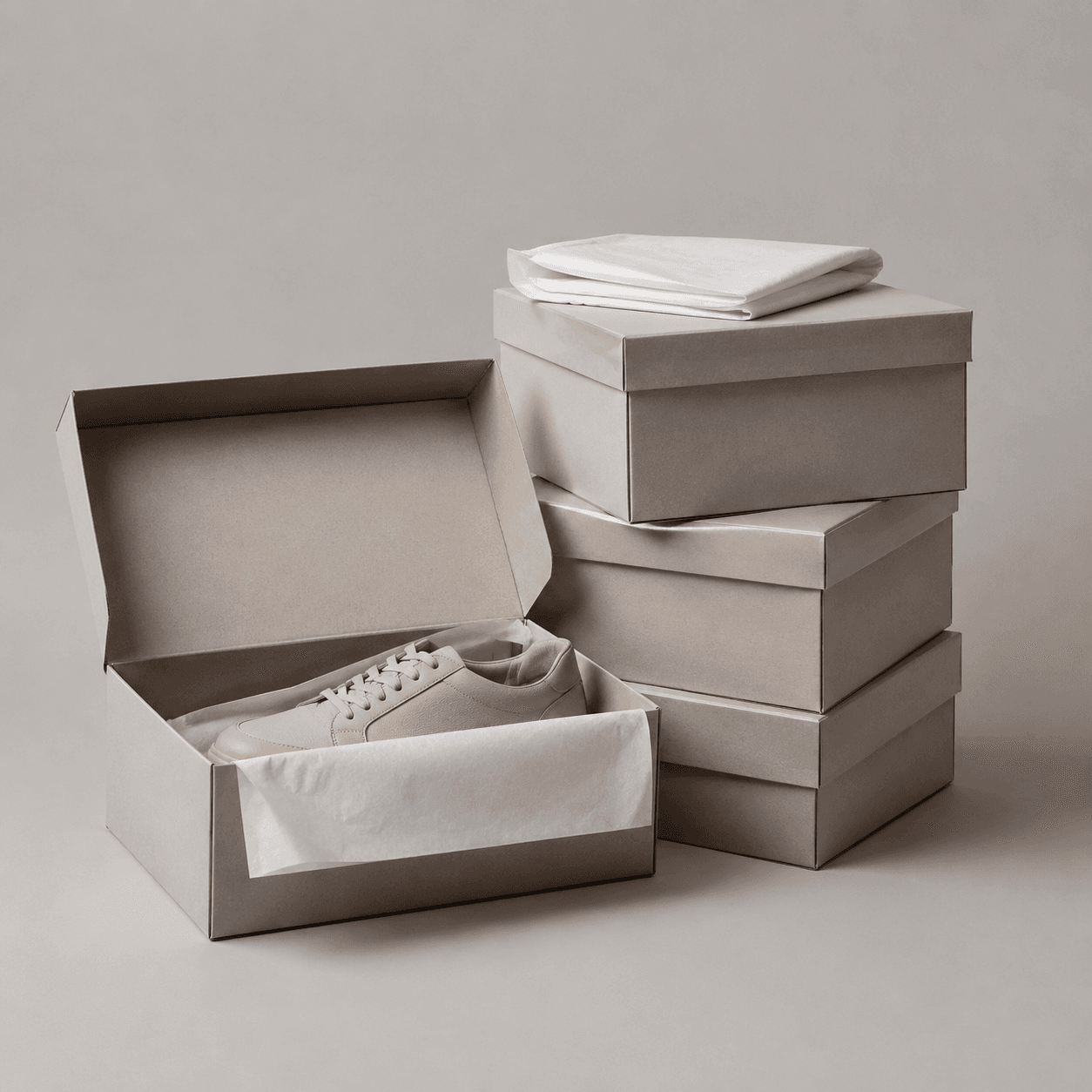
In footwear production, color approval fails when teams treat a shoe like a flat printed item. A finished pair combines mesh, knit, microfiber, PU film, TPU, EVA, rubber, foam, webbing, thread, ink, and adhesive, and each substrate reflects the same Pantone reference differently. That is why shoe pantone matching has to be managed by component, then verified again on the assembled shoe under controlled light.
For sourcing managers, brand owners, and importers buying in bulk from China, the issue is commercial as much as visual. If the upper matches the chip but the EVA midsole reads half a shade lighter, or the rubber outsole turns warmer after cure, the pair looks inconsistent at retail. On a 3,000-6,000 pair order, one wrong approval can add 7-18 days, trigger material replacement, and increase cost by roughly $0.12-$0.58 per pair depending on whether the mismatch sits in dyed fabric, molded parts, or printed trims.
This guide lays out a practical supplier-side workflow for shoe pantone matching: how to brief the factory correctly, how to build footwear color matching through lab dips and trial chips, how to evaluate MOQ and surcharge before locking a custom shoe colorway, and how to control bulk so the delivered pair stays within the approved standard.
In footwear, Pantone gives direction, but the real approval standard is the sealed color on the actual material, finish, and finished pair.
Build a footwear color brief by component, material, and sales market
The process starts with a color brief that matches actual footwear construction. One Pantone code for the whole shoe is too broad when the style uses engineered mesh, hot-melt film, synthetic leather, lace, webbing, sockliner print, EVA sidewall, and rubber bottom. Even if the target is one beige or one navy, the dye route, pigment loading, gloss level, and curing behavior will differ by component.
A factory needs the color split by material and process, not just by visual zone. A 260-320 GSM sandwich mesh absorbs dye differently from 1.2-1.4 mm microfiber with PU topcoat. A molded TPR badge will not match in the same way as a screen print on a tongue label. Compression-molded EVA at 0.20-0.25 g/cm3 usually looks flatter than solid rubber at 1.10-1.25 g/cm3, and TPU parts can read cleaner or glossier again. If these differences are not written into the brief, the development team fills in the gaps with assumptions, and that usually creates mismatch in sample review or bulk.
This is also where the supplier checks whether the requested colorway is commercially workable. Stock black outsole plus stock white midsole may add no cost. A custom-dyed upper, matching lace, custom strobel, and mixed-color rubber insert can add $0.18-$0.72 per pair depending on order size and how many materials are non-stock. On orders below 1,200 pairs per colorway, the risk is higher because fabric mills, lace vendors, print shops, and outsole suppliers may each impose separate minimums.
The final part of the brief is compliance. Shoes selling into the EU, UK, or large brand programs often need pigment and coating choices aligned with buyer RSL, REACH expectations, CPSIA, Proposition 65, or internal restricted substance lists. This matters for bright whites, neon shades, metallic finishes, dark navy, and deep red because some pigments and coatings are harder to clear for both color and chemistry at the same time.
- List every color-bearing part: upper, quarter, vamp, tongue, lining, lace, eyelet stay, logo, footbed, strobel, midsole, outsole, foxing, carton, tissue
- State the color reference source exactly: Pantone TCX, coated Pantone, buyer swatch, previous sealed sample, or a confirmed production shoe
- Define the target finish: matte, semi-gloss, brushed, waxed, translucent, pearl, washed, high-opacity print, or rubber sidewall paint
- Tell the factory the destination market and compliance standard before development starts
Set the approval standard before the first lab dip is submitted
Most color disputes happen because the approval standard is vague. A Pantone chip is only a starting point. It does not capture gloss, porosity, pile direction, embossing, topcoat thickness, foam expansion, or rubber cure shift. For textiles and soft upper materials, a physical swatch or approved previous material is usually more reliable than paper alone. For molded parts, the only meaningful approval is a trial chip or molded trial part in the actual compound.
A practical shoe pantone matching standard should cover four points: the reference, the substrate, the lighting condition, and the tolerance. In most competent factories, color is checked under D65 daylight simulation and then cross-checked under TL84 or cool white because stores, warehouses, and offices all show color differently. Without a defined light source, a dark olive or grey-beige can look correct in one room and wrong in another.
Tolerance also has to be realistic for footwear. Exact equality across mesh, microfiber, EVA, and rubber is rarely possible, even in well-run supply chains. The correct target is visual balance on the finished pair. Tolerance should be tight on side-by-side upper overlays, left-right pairing, top line piping, and brand marks. A slightly wider tolerance is usually acceptable between unlike substrates such as a foam midsole and a carbon-filled rubber outsole.
If the buyer wants a numeric color standard, define it before development. Some programs work with Delta E values from a spectrophotometer, but those readings only help if everyone is measuring the same stage of material. A microfiber read before matte topcoat can pass instrumentally and still look warmer after finishing. The same issue appears when EVA is read before molding and then shifts after expansion.
Where brands should insist on tighter control
Be strict on left-right pair matching, adjacent overlays, eyestay and quarter panel continuity, and logo color where brand identity is sensitive. Be more flexible on hidden strobel fabric, bottom-contact outsole surfaces, and internal print details where texture and viewing angle naturally change the look.
For repeat styles, the strongest standard is a sealed confirmation sample plus retained swatches from the original production lot. Pantone number alone is not enough once a style has been commercialized on a specific material and finish.
Develop the colorway through lab dips, strike-offs, and molded trial chips
Once the approval standard is set, develop each component through its real process route. Textile uppers, lining, webbing, and laces should go through lab dips. Tongue labels, sockliner prints, woven labels, transfer logos, and cartons should go through strike-offs. EVA, IP, TPR, TPU, Phylon sidewalls, and rubber outsoles should go through molded chips or trial parts in the intended compound. A digital rendering or salesman sample is not enough for a multi-material custom shoe colorway.
Normal China development timing is manageable if approvals move quickly. Textile lab dips typically take 3-5 days. Lace and webbing dye submissions usually take 4-6 days. Screen print or heat-transfer strike-offs take 4-7 days. EVA or rubber trial chips generally take 7-12 days, and light, translucent, or off-white compounds can stretch that to 12-15 days because the compound often needs two or three pigment corrections. If one material misses approval, upper closing and bottom assembly dates slide with it.
Material behavior has to be anticipated early. Open mesh usually reads lighter than closed synthetic leather. Suede microfiber, brushed tricot, and napped lining can shade differently depending on nap direction. White and cream EVA can yellow slightly if molding temperature runs too high or storage conditions are poor. Recycled rubber blends, especially in gum or pale shades, can shift warmer during cure. A 14 oz canvas and a 280 GSM knit may both target the same color code but still come back visibly different.
This is also the stage where hidden minimums show up. Dyed mesh often needs 150-300 meters per color depending on mill policy and width. Knit uppers can require one full yarn dye lot. Custom lace with dyed tips may need a 2,000-3,000 pair equivalent. Rubber outsoles often require a minimum compound batch, and if the outsole has two colors or marbling, the setup cost rises again. If buyers discover these numbers after FOB is agreed, the factory either loses margin or reopens the price discussion.
- Approve lab dips before upper material cutting is booked
- Approve strike-offs separately for tongue label, sockliner print, foxing print, woven label, and carton artwork
- Request molded chips or trial parts for EVA, rubber, TPU, and TPR instead of approving from artwork
- Require each submission to show material code, finish, date, revision, supplier, and light source used for review
Review MOQ, surcharge, and lead time before freezing the custom shoe colorway
Color complexity changes cost faster than many buyers expect. A repeat runner with stock white Phylon and black rubber pods is easy to schedule. A fashion sneaker with custom taupe foxing, off-white sidewall paint, dyed mesh, matching lace, two-color rubber bottom, and a printed footbed is not. The visual result may justify it, but only if the commercial effect is understood before order confirmation.
In practical factory costing, the extra charge usually comes from dye setup, low-yield small lots, custom compound purchase, purge loss on molding machines, line cleaning, and lower efficiency during color changeover. A custom upper fabric may add $0.06-$0.18 per pair. Lace and webbing can add another $0.02-$0.08. Special logo print or transfer can add $0.01-$0.05. A custom EVA or rubber color often adds $0.08-$0.30, and more if the outsole uses translucent, speckled, or recycled content. On small programs, the effective surcharge is higher because fixed setup cost is spread over fewer pairs.
Lead time follows the same pattern. A repeat colorway with stock bottom colors and existing packaging can often move into bulk in 30-35 days after deposit and pre-production approval. A new colorway with fresh upper dye lot, custom outsole compound, and revised packaging usually needs 45-60 days. If the bottom color is light grey, cream, translucent gum, or mixed with recycled rubber, add buffer because trial approval can easily cost another 5-7 days.
The most useful supplier discussion is simple: ask which colors are true MOQ drivers and which are low-cost cosmetic changes. Thread and insole print ink are usually minor. Dyed air mesh, custom lace, molded logo badge, and outsole compound are usually not. This lets the brand spend money where the consumer notices it and save money where it does not.
- 01Identify every non-stock color before FOB and sample confirmation are closed
- 02Ask for MOQ by material and component, not only MOQ by style
- 03Separate low-cost details such as thread or simple print ink from high-cost details such as outsole compound or dyed upper fabric
- 04Compare stock-color bottom versus custom-color bottom in both price and lead time
- 05Freeze the full colorway before the factory books fabric, compound, labels, and packaging
Validate color against footwear testing and bulk production conditions
Color approval is incomplete until the factory confirms that the approved shade survives actual use and production handling. A sample can look good and still fail in wear or in storage if the lining bleeds, the sockliner print rubs off, the foxing paint cracks, or the white sidewall yellows after heat exposure. This is especially important for children’s shoes, sports shoes, canvas vulcanized styles, and light-color uppers or linings.
In footwear, footwear color matching should be checked together with colorfastness, migration, and finish stability. Depending on material and buyer protocol, the factory or third-party lab may screen dry and wet rubbing under EN ISO 105-X12 or comparable AATCC/ASTM methods, perspiration fastness under EN ISO 105-E04, water fastness under EN ISO 105-E01, and light fastness under EN ISO 105-B02. Printed logos and footbed graphics often need adhesion and flex checks, while coated sidewalls or foxing paints may be reviewed under flex and abrasion conditions tied to the buyer’s own test manual.
Material construction affects the result. EVA at 0.18-0.22 g/cm3 and higher-rebound foam blends can read different from denser rubber or TPU even if the pigment formula is nominally aligned. Open sandwich mesh around 240-300 GSM may take dye more evenly than very open performance mesh. PU topcoat thickness, anti-scratch finish, heat from toe puff activation, and cementing temperature can all shift the final appearance slightly. That is why first-article approval must be based on real production materials, not sample-room substitutes.
Bulk control should be visible, not verbal. The line should build a first pair from actual incoming lots, compare it against the sealed sample under controlled light, and secure buyer or internal QA sign-off before full output starts. Without that step, a line can make several hundred pairs before anyone notices that one material lot is warmer, duller, or glossier than approved.
Factory checklist before full bulk release
The release standard should connect the approved color to real incoming material lots and actual line conditions, not just to a development photo.
Seal the standard and control repeat orders so the color does not drift
Repeat-order color problems usually come from weak records, material substitution, or factory transfer. If the buyer keeps only a Pantone number and a photo, the next season’s run is exposed to drift. If both buyer and factory keep sealed materials, outsole chips, print strike-offs, and a signed confirmation pair, repeatability improves significantly.
The retained file should include the approved color code, actual material article, thickness, supplier name, finish, compound type, and approval date. In footwear, a shift from 1.3 mm microfiber to 1.1 mm microfiber, from one knit mill to another, or from one rubber supplier to another can visibly change the same nominal color. The same applies if an EVA vendor changes the foam recipe to reduce weight or if a print vendor changes ink series to hit compliance targets.
For repeat orders after a long gap, request a reconfirmation package before bulk booking. One upper swatch, one molded outsole or midsole chip, and one key print strike-off are usually enough to catch drift before materials are purchased. This small step costs far less than re-dyeing fabric or remaking outsoles after production has already been scheduled.
Well-managed shoe pantone matching is procedural rather than subjective. Clear briefs, material-specific approvals, realistic tolerance, early MOQ review, relevant testing, visible bulk controls, and good records are what allow a China footwear factory to reproduce color consistently across seasons and across volume.
Key takeaways
- Break color down by component and process because one Pantone reference cannot control mesh, microfiber, EVA, TPU, and rubber equally.
- Use lab dips, strike-offs, and molded trial chips for the real substrates; do not approve a custom shoe colorway from artwork alone.
- Review MOQ, surcharge, and lead time early because custom colors commonly add 7-20 development days and about $0.12-$0.58 per pair.
- Tie color approval to footwear testing such as rubbing, perspiration, migration, light exposure, adhesion, flex, and yellowing risk where relevant.
- Approve the first production pair against sealed standards and archive swatches, chips, and material records to prevent repeat-order drift.
SoleForge manufactures casual sneakers and athletic & running shoes under OEM and ODM for brands and importers worldwide. Request a quote with your tech pack or reference pair and we'll reply within one business day.