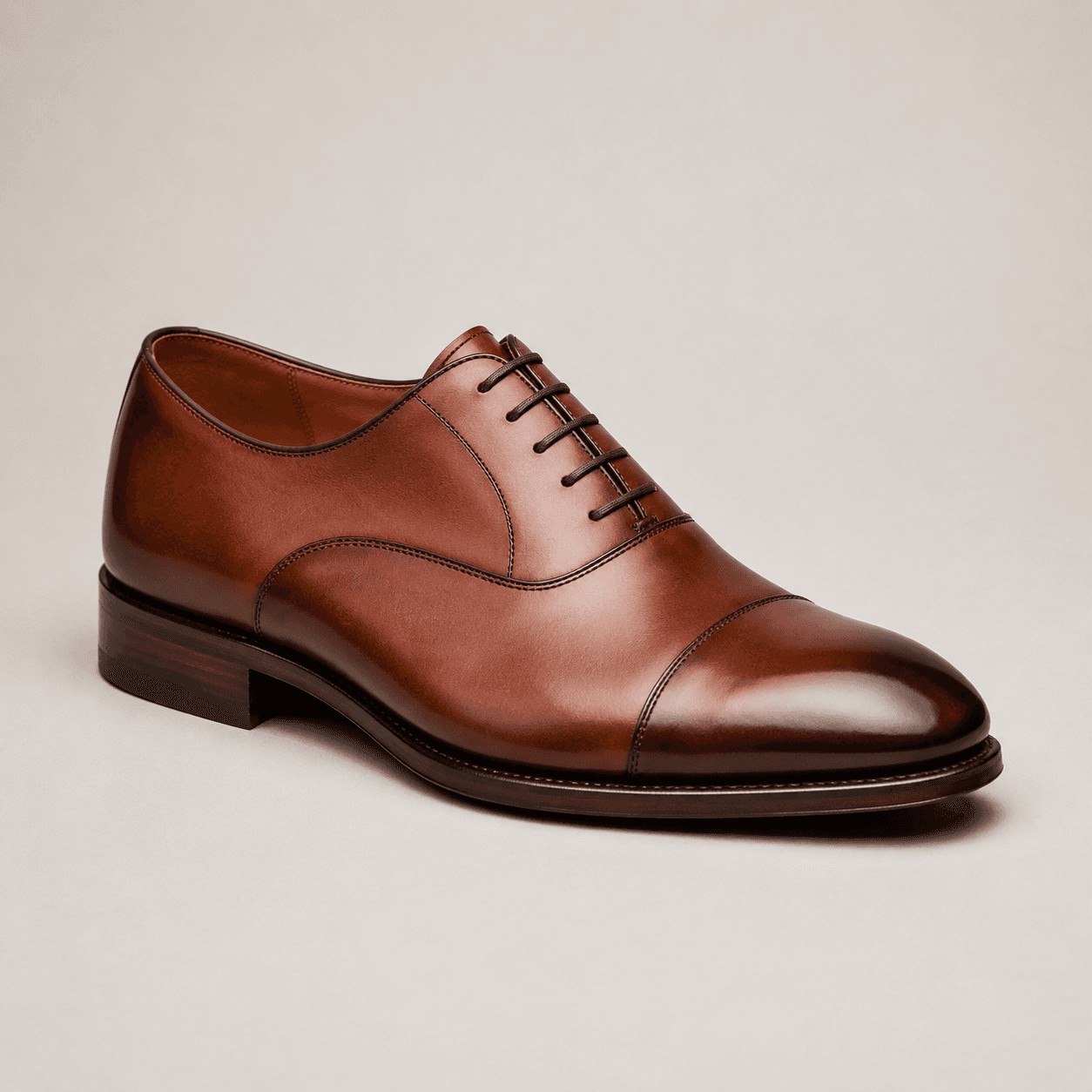
When buyers discuss shoe sample types, they often use the terms prototype, salesman sample, and production sample as if they are interchangeable. In factory practice, they are not. Each sample sits at a different point in the footwear development stages, serves a different decision, and carries a different expectation on materials, cost, testing, and timing.
If you are a sourcing manager, brand owner, or importer buying footwear from China, confusing one sample with another creates expensive problems. A prototype approved too early can hide fit or construction risk. A salesman sample made from substitute materials can be mistaken for a production-ready standard. A production sample signed off without clear tolerances can lead to claim disputes after shipment.
The practical way to manage the shoe sampling process is to define what each sample must prove: design intent, commercial presentation, or mass production consistency. Once that is clear, you can control MOQ planning, sample charges, tooling commitment, lab testing sequence, and lead-time without surprises.
Why sample definition matters before you place a footwear order
In bulk footwear sourcing, samples are not just approval pieces. They are control points. Each stage reduces a different type of risk: design risk, cost risk, fit risk, compliance risk, and factory execution risk. If the sample purpose is unclear, the factory and buyer may both say "approved" while meaning different things.
For example, a knitted running shoe prototype may use a 45-50 C Asker outsole compound, an EVA midsole at 0.20-0.22 g/cm3 density, and an upper GSM that is close to target but not final. That can be acceptable for shape and construction review. It is not yet enough to lock carton dimensions, final FOB, or confirm repeated compression set performance. The wrong approval standard at the wrong stage is where delays start.
From the supplier side, sample definitions also affect booking of molds, upper pattern correction, material purchasing, and line planning. If a buyer requests salesman samples before the size set and wear-test comments are closed, the factory may duplicate work and charge twice for development. On complex categories such as cemented sports shoes, vulcanized casuals, or direct-injected safety footwear, that duplication becomes significant.
- Prototype stage reduces design and construction uncertainty.
- Salesman stage supports sell-in, internal line review, and retailer presentation.
- Production stage confirms the bulk standard for materials, workmanship, packing, and labeling.
- Clear sample criteria shorten approval loops and reduce claim exposure after shipment.
Prototype shoes explained
Prototype shoes are the earliest physical version of the design. Their purpose is to turn a tech pack, sketch, reference shoe, or outsole concept into a real item that can be reviewed on shape, proportion, construction logic, fit direction, and visual balance. In many factories this may be called a trial sample, development sample, or first prototype, depending on the brand process.
The prototype is usually made before all details are frozen. The last, outsole mold, foxing height, strobel margin, toe spring, collar foam thickness, or logo execution may still change. Material substitutions are common at this stage if imported mesh, special suede, or branded components are not yet available. For that reason, a prototype is a decision tool, not a production standard.
Lead-time is commonly 7-14 days for simple slippers or sandals, 10-18 days for casual cemented shoes, and 14-21 days for technical athletic or boot constructions. Sample cost can range from about USD 35-60 per pair for simple categories to USD 80-150 per pair for shoes with custom tooling, special upper packages, or hand-made outsole treatments. If a new outsole mold is required, mold lead-time often adds 12-25 days separately.
What a prototype should prove
A useful prototype should answer specific questions. Does the pattern match the intended silhouette? Is the toe shape correct on the selected last? Does the eyestay placement support lacing tension? Is heel grip acceptable in the first fitting? If it is a cupsole sneaker, does the upper sit cleanly into the sidewall without excessive glue line exposure?
At this stage, buyers should focus comments on structure, dimensions, and fit direction rather than demanding final color precision or packaging detail. The fastest way to waste a prototype round is to reject it for trim substitutions that were already disclosed while missing a basic issue like throat opening, topline depth, or forepart girth.
When to use prototype shoes
Use prototypes early, especially when the outsole is new, the last is untested, or the category has technical performance points. Examples include trail runners needing stable heel geometry, children's shoes needing flex point alignment, or work shoes needing toe cap integration under EN ISO 20345 or ASTM F2413 requirements.
A second or third prototype is normal if the first round changes dimensions, fit, or tooling. That is still cheaper than discovering the same problem after color confirmation, salesman samples, and material booking. In supplier terms, prototype rounds are where you should spend patience, because correction cost is lowest there.
Sample type comparison for bulk footwear sourcing
| Sample type | Main purpose | What it should prove | Typical lead-time | Typical cost per pair | Main buyer risk if misused |
|---|---|---|---|---|---|
| Prototype shoes | Development and feasibility | Shape, construction logic, fit direction, tooling feasibility | 7-21 days | USD 35-150 | Approving too early and missing fit or construction issues |
| Salesman sample footwear | Commercial presentation | Near-final look, color story, sales presentation, price positioning | 10-20 days | USD 40-90 | Using showroom quality as bulk quality standard |
| Production sample shoes | Bulk production control | Final materials, workmanship standard, packaging, repeatability, compliance alignment | 7-12 days plus test time | USD 30-70 | Starting production without a true signed bulk standard |
Salesman sample footwear explained
Salesman sample footwear is made after the design direction is largely approved and the shoe is ready to be shown to sales teams, distributors, key accounts, or internal merchandising teams. The purpose is commercial presentation. These samples need to look close to final, but they are not always made under true bulk conditions.
In most factories, salesman samples are made in representative colors and usually in showroom sizes such as men's EU 42 or women's EU 37. They may use final branding artwork and close-to-final packaging, yet still include substitute linings, insole boards, eyelets, or outsole colors if the exact bulk materials are not ready. That is why experienced buyers label them clearly as salesman samples and do not use them as the sole reference for mass production quality claims.
Typical lead-time is 10-20 days after comments are closed and color/material standards are available. Sample cost is often lower than repeated prototype rounds if tooling is settled, but it still depends on complexity. A common range is USD 40-90 per pair. For collections requiring many colorways, the bigger cost driver is quantity of SKUs rather than cost per pair.
How salesman samples work in the buying cycle
These samples support line reviews, trade meetings, pre-booking with distributors, and buyer presentations to retail accounts. They help a brand decide which styles and colors earn order volume. For importers, they are useful when testing market acceptance before committing to a higher MOQ spread across many colors.
A factory can normally build salesman samples faster if the upper pattern and outsole mold are already stable. However, if buyers continue changing fit, logos, or upper panel lines at this stage, the commercial calendar quickly slips. This matters because sell-in dates often drive the whole production window.
Why salesman samples matter but should not be over-trusted
They matter because they translate product development into a commercial decision. A shoe can be technically sound and still fail commercially if the toe shape looks heavy, the color blocking feels outdated, or the shelf price no longer fits the target margin after revised FOB.
But buyers should not over-trust them. A salesman sample made in a sample room may have cleaner edge paint, more hand-finishing, or slower cement curing than line production. It may look excellent while not yet proving scalable workmanship. For this reason, salesman samples should support range planning and sales, not replace production approval.
Production sample shoes explained
Production sample shoes are the closest approved reference to bulk manufacturing. Depending on the buyer system, this may be called a pre-production sample, PP sample, TOP sample, or shipment sample, but the core idea is the same: the shoe should represent what the factory can repeatedly make in mass production using bulk materials, bulk components, and standard line conditions.
This sample is where details must be controlled tightly. Upper material specification should match approved standard, whether that means microfiber thickness of 1.4-1.6 mm, mesh at 280-320 GSM, foam density for collar and tongue, strobel board type, shank length, insole hardness, outsole rubber shore, and carton markings. If the shoe requires compliance, labeling and test method references should also match the intended market requirements.
Lead-time for a PP sample is commonly 7-12 days after all materials are in-house and the BOM is frozen. If lab testing is required before bulk cutting, add time. Physical testing such as outsole abrasion, bonding strength, color fastness, slip resistance, flexing, hydrolysis screening, or restricted substance verification can add 5-15 days depending on test scope and laboratory scheduling.
What a production sample should include
A strong production sample package should not be just one pair of shoes. It should include the approved pair, signed color and material swatches, outsole and midsole standards if relevant, packaging layout, carton spec, labeling file, and a comment sheet that records tolerances. For footwear, tolerances matter. A 2 mm difference in foxing height or eyestay position can be visible on a vulcanized sneaker. A 3-5 mm lace length deviation can change presentation in the box.
If the factory is serious about control, it will also align this sample with the internal SOP for cutting, lasting, cement application, pressing time, oven temperature, and finishing checkpoints. That is how a physical sample becomes a production standard rather than a nice-looking reference only.
When production sample shoes must be approved
Approve them before bulk cutting or at least before irreversible material consumption on expensive components. This is especially important for leather uppers with color variation risk, custom-molded EVA or Phylon bottoms, printed footbeds, branded hardware, or special packaging with long replenishment time.
For safety footwear or occupational shoes, the production sample stage is also the last sensible point to verify that the production configuration still matches any required EN ISO or ASTM pathway. If the upper leather thickness, toe cap type, puncture-resistant insert, or outsole compound changes after approval, the compliance basis may no longer be reliable.
Comparison table: which sample type does what
The fastest way to avoid confusion is to assign one decision to each sample type. The table below reflects common practice for athletic, casual, sandal, and basic boot programs sourced from China.
- Prototype answers: can this design work?
- Salesman sample answers: can this style sell?
- Production sample answers: can this factory repeat it at scale?
How the shoe sampling process usually flows in a China factory
A normal shoe sampling process starts with a tech pack, outsole references, size chart, target FOB, and compliance market definition. The factory reviews construction feasibility, estimates MOQ by material family, checks whether existing lasts can be adapted, and confirms whether new molds are required. Development then moves from pattern creation to first prototype.
After prototype comments, the next rounds depend on what is still open. If fit is unresolved, a size set or wear-test sample may come before salesman samples. If design and fit are basically fixed, salesman samples are prepared for line review. After order quantities are clearer and material booking begins, the process moves to pre-production confirmation and then bulk production.
In practical terms, every open point pushes risk downstream. If outsole hardness is not signed off before salesman samples, commercial teams may quote a shoe that later feels too hard underfoot. If sockliner density or top cover specification is open at PP stage, the landed cost may shift after orders are already placed.
- 01Receive and review tech pack, size chart, and target market requirements.
- 02Make first prototype using available development materials.
- 03Revise pattern, last, outsole details, and fitting after comments.
- 04Prepare size set or wear-test sample if fit is critical.
- 05Issue salesman sample footwear for line review and sell-in.
- 06Freeze BOM, color standards, and packaging details.
- 07Make production sample shoes from bulk materials.
- 08Approve PP standard before bulk cutting and line launch.
Common mistakes buyers make with shoe sample types
The first mistake is approving appearance without approving specification. A shoe can look correct while using the wrong foam density, the wrong insole board, or a lower-grade mesh than planned. This often happens when buyers focus on photos instead of requesting a full material breakdown at sample stage.
The second mistake is compressing the calendar by skipping sample logic. Moving directly from prototype to order without a proper salesman or PP stage may save one week on paper but lose four weeks later through rework, material replacement, or claim negotiation. Footwear is too construction-sensitive for shortcuts to work consistently.
The third mistake is treating sample room quality as production quality. Sample technicians often work slower and with more manual correction than the line. The buyer should therefore ask not only whether the sample looks good, but whether it is reproducible at planned daily output. A line running 1,200 pairs per day behaves differently from a sample room making six pairs.
The fourth mistake is not aligning sample approval with MOQ economics. If your order is 1,200 pairs total spread across six colorways, material minimums may force substitutions or cost uplifts. Sample approval should reflect realistic bulk conditions, not ideal conditions only achievable for a single pair.
How buyers should use each sample type strategically
Buyers who source footwear efficiently do not ask every sample to prove everything. They assign a narrow job to each stage, write comments in measurable terms, and decide quickly. For prototypes, comment on fit, dimensions, and construction. For salesman samples, comment on commercial appeal, color execution, and range balance. For production samples, comment on specification compliance, workmanship tolerances, and repeatability.
It also helps to define approval gates in writing. A prototype may require last shape confirmation and upper panel correction. A salesman sample may require retail presentation approval and target FOB alignment. A production sample may require final BOM sign-off, test status confirmation, packaging approval, and authorization for bulk cutting. This keeps factory and buyer teams synchronized.
Where programs are more technical, add objective data. Specify EVA density, rubber shore range, upper GSM, pull strength target, flex cycles, peel strength level, or test protocol requested by market. Footwear factories work better when comments are measurable. 'Make the upper softer' is weak. 'Reduce collar foam from 12 mm to 8 mm, target handfeel similar to approved swatch B' is actionable.
- Use prototype shoes to validate design feasibility and fit direction.
- Use salesman sample footwear to support sales decisions and SKU selection.
- Use production sample shoes to lock the bulk standard and protect claims.
- Tie each approval to a written comment sheet and dated reference standard.
SoleForge manufactures athletic & running shoes and casual sneakers under OEM and ODM for brands and importers worldwide. Request a quote with your tech pack or reference pair and we'll reply within one business day.