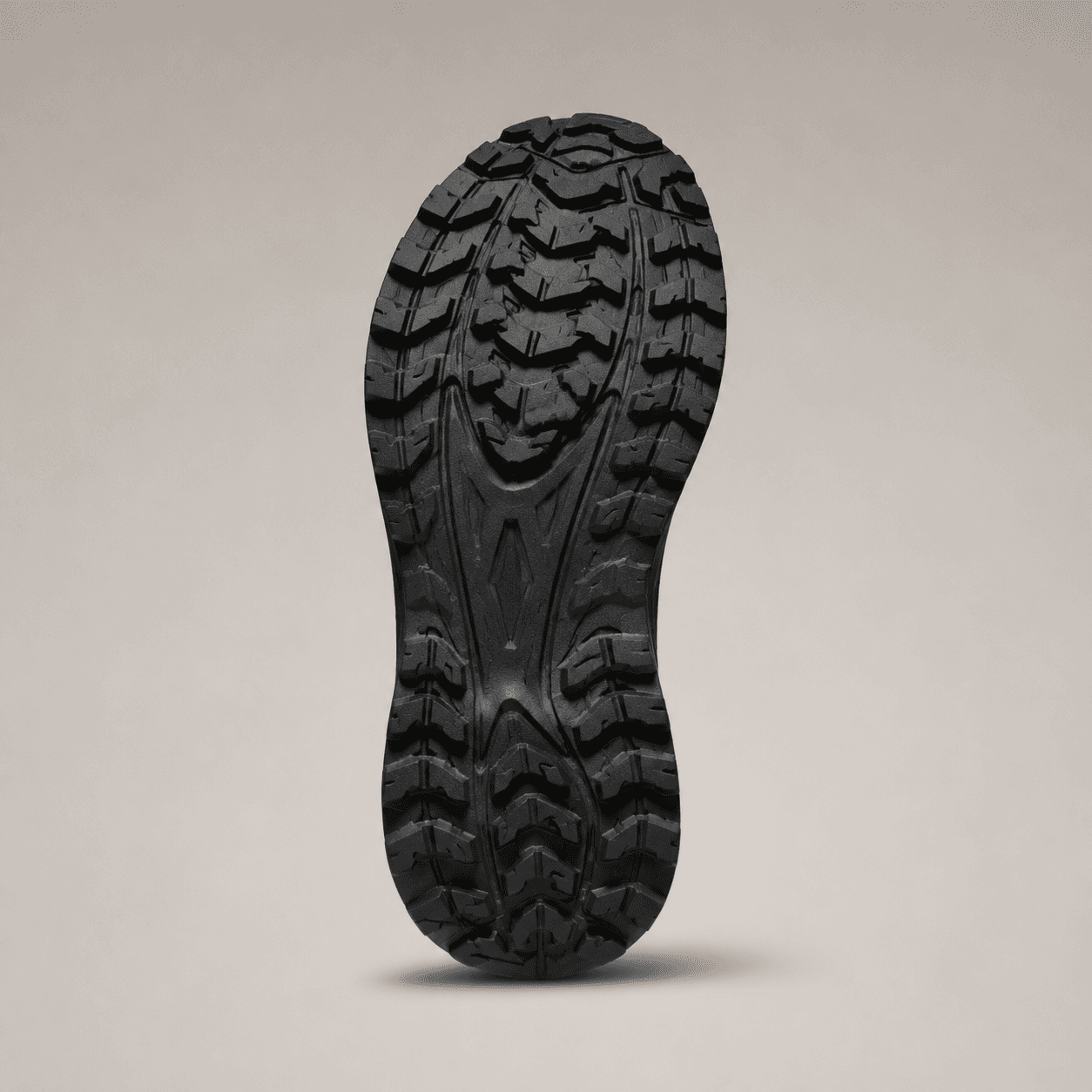
For bulk footwear buyers, shoe size grading is a production control item, not a design accessory. It affects fit consistency, outsole and last tooling, size-level MOQ, carton ratios, and whether a style can be repeated without rework. When grading is loose, the issue usually shows up after shipment as uneven size sell-through, retailer deductions, or replenishment orders that no longer match the first bulk lot.
In factory practice, shoe size grading means converting one approved base size into a commercial range while keeping fit intent, bottom matching, and upper proportion under control. A shoe size run is the quantity split across those sizes. A footwear size chart is the commercial and technical reference that ties market labels such as EU, US, and UK to measurable points such as last length, internal allowance, insole length, and outsole length.
Importers sourcing from China need all three aligned before bulk materials are booked. A clean footwear size chart with a poor size run still creates dead stock. A strong size run built on weak grading still creates claims. And low MOQs often force decisions on fringe sizes, shared mold banks, and carton prepacks that should be settled before sample confirmation, not after the factory has cut and stitched the bulk order.
The cheapest sizing problem in footwear is the one corrected before the mold bank, carton ratio, and bulk materials are locked.
What shoe size grading is in footwear production
Shoe size grading is the controlled increase or reduction of a base-size pattern and bottom package into adjacent sizes. In footwear, that means more than adding length. The factory must balance upper pattern geometry, last shape, ball girth, instep volume, topline opening, outsole cavity, toe spring, heel seat position, and internal toe allowance. Most factories grade from one confirmed base size first, commonly EU 37 for women, EU 42 for men, or a buyer-defined showroom size, then extend up and down from that point.
Good grading keeps the shoe wearable and visually balanced across the full size range. Bad grading usually appears in the edge sizes first. Lower sizes can feel short at the toe or tight at the ball. Upper sizes can show heel slip, collar gaping, strap misplacement, or a stretched-looking vamp. In bulk production, that becomes a commercial problem because the middle sizes sell through while the fringe sizes return, sit in stock, or get marked down.
- EU full-size grading is often based on about 6.6 mm last-length progression, but the effective fit change also depends on toe shape and internal allowance.
- Width does not scale by simple percentage; wide-fit and narrow-fit programs often need separate grading logic or a separate last.
- A factory should grade from a confirmed master pattern linked to an approved last and bottom, not from a retail conversion table alone.
How grading changes by construction type
Construction type changes how much grading freedom the factory has. In cemented sneakers or runners, the upper can absorb some adjustment, but strobel shape, toe puff position, eyestay spacing, and collar opening still need control. In cupsole footwear, the sidewall cavity and foxing line are fixed by mold size, so upper grading must match the cup exactly or the lasting margin becomes unstable. In injected EVA clogs, PVC rain boots, or direct-injection safety shoes, the mold defines the shape much earlier, so grading mistakes are more expensive because tooling is involved.
Supplier-side costs vary by construction. A basic grading revision on a cemented upper may add only 2 to 4 development days. A revised bottom size outside the standard mold bank can add 10 to 18 days for mold machining and sampling, plus several hundred dollars per size depending on EVA, rubber, or TPR complexity. For a low-volume program, that can be the difference between a workable MOQ and a rejected style.
Why base size selection matters
The base size should reflect the commercial center of the order, not just the sample-room habit. If a men’s casual sneaker is fitted only in EU 42 but the bulk quantity is concentrated in EU 44 and EU 45, the importer should request a commercial-size confirmation before outsole molds are released for mass production. This matters even more when the upper uses thick foam backing above 8 mm, padding foams around 45 to 60 kg/m3, or a molded PU footbed around 0.18 to 0.22 g/cm3 that changes step-in feel.
Children’s footwear needs even tighter control. The grade steps are shorter, the fit tolerance is less forgiving, and the opening still has to work with the child’s foot entry. On toddler shoes, a few millimeters in hook-and-loop overlap, topline opening, or toe allowance can decide whether the style fits in-store or comes back as a claim.
How a shoe size run works in bulk orders
A shoe size run is the planned pair distribution by size for one style, one color, and one market. It is the commercial side of sizing. A men’s lifestyle sneaker may run EU 39-44 in a ratio such as 1-2-3-3-2-1. A women’s sandal may run EU 35-40 in 1-2-2-2-1-1. Those are only starting points. The right size run depends on the category, last shape, retail channel, season, and the buyer’s sell-through history.
From the factory side, the size run affects cutting yield, outsole allocation, insole booking, carton ratio, and whether low-volume sizes meet production minimums. Many China factories quote MOQ at style and color level, but actual execution also depends on size-level practicality. A factory may accept 600 pairs per color on paper, yet still require at least 30 to 60 pairs per size for custom boxes, printed sockliners, or molded bottoms to run cleanly.
- 01Start from sell-through data on the closest comparable last and category, not from a generic company size curve.
- 02Lock the labeling standard early so EU, US, UK, and CM conversions follow one approved footwear size chart.
- 03Check size-level MOQ before confirming fringe sizes such as EU 35, EU 46, EU 47, or US men’s 13.
- 04Review carton assortment before PO release because prepacks can lock the size run and create leftover stock.
Prepack versus open-stock ordering
Prepack ordering reduces warehouse handling and suits off-price, launch, and club-store programs. A common example is 12 pairs packed as 1-2-3-3-2-1 across six sizes. The trade-off is rigidity. If one middle size sells out quickly, the importer may hold slow-moving edge sizes in the same assortment and lose replenishment speed.
Open-stock ordering gives tighter control by size but increases operational work for the factory. On smaller runs, extra size sorting, carton labeling, and barcode handling can add around $0.08 to $0.20 per pair. Some factories also push the MOQ upward if open-stock packing breaks their standard carton line efficiency.
Why size runs vary by category and market
Athletic-inspired sneakers usually peak in the middle sizes because consumers expect a close fit and reorder their true size. Open sandals and slippers tolerate more length variance, so the spread may be wider. Work boots often skew upward in North America and parts of Northern Europe. Kids’ school shoes often cluster tightly around a few core sizes and need more frequent replenishment planning than broad initial range planning.
Market conversion matters as well. A style sold in EU sizing only may work with one ratio, but the same last sold into US-labeled retail may shift demand because half-size expectations and fit perception differ. This is why a supplier should ask for market-specific history instead of copying a ratio from another brand or channel.
Example size-run planning checks for bulk footwear orders
| Order scenario | Typical size range | Common ratio example | Factory concern to check | Importer action |
|---|---|---|---|---|
| Men's lifestyle sneaker, 1,200 pairs, 1 color | EU 39-44 | 1-2-3-3-2-1 | Cupsole mold availability, size-level MOQ, carton balance | Confirm core-size volume and request one commercial-size fit check |
| Women's sandal, 900 pairs, 2 colors | EU 35-40 | 1-2-2-2-1-1 | Low-volume edge sizes, strap placement after grading, color MOQ | Review whether EU 35 and EU 40 justify the mold and packing split |
| Kids' school shoe, 1,500 pairs, 1 color | EU 28-35 | 1-1-2-2-2-2-1-1 | Opening fit, hook-and-loop overlap, tight size tolerance | Approve size-set samples rather than relying on one base size |
| Safety boot, 2,400 pairs, 2 colors | EU 40-46 | 1-2-3-3-2-1-1 | Toe-cap grading, certification scope, fringe-size tooling cost | Check EN ISO or ASTM file alignment before locking the range |
Why shoe size grading and size runs matter to importers
Good grading and realistic size runs protect gross margin in a measurable way. The direct benefit is fewer fit-related claims, fewer broken assortments, and better reorder accuracy. Accepting an extra $0.10 to $0.18 per pair for stronger fitting control, size-set review, or additional sample confirmation is often cheaper than retailer chargebacks, airfreight replacements, or end-of-season markdowns on the wrong sizes.
Timing is another reason. Once outsole molds are cut, carton artwork is approved, and upper materials are booked, size changes become expensive. A new outsole size can add 12 to 20 days, depending on mold material and line loading. A regraded upper after trial lasting may add 3 to 7 days. If the buyer also changes prepack ratios, carton print and barcode files may need another 2 to 5 days. Those are normal factory realities, not exceptional delays.
- Grading problems usually appear first in top and bottom sizes, not in the single showroom size used for line review.
- A poor size run reduces sell-through even when workmanship, bonding, and packaging are acceptable.
- Retail compliance teams often reject mismatched box labels and pair labels when the footwear size chart is not aligned.
- Stable size planning improves outsole allocation, cutting efficiency, and production-line scheduling.
Cost impact in supplier terms
Importers often negotiate FOB down to the last $0.15 per pair but lose more on avoidable size issues. If a men’s outsole program adds EU 47 and EU 48 beyond the factory’s standard bank, tooling can increase by several hundred dollars per size, especially for rubber cupsoles, dual-density phylon-rubber bottoms, or injected units with separate cavity work. Low-volume fringe sizes also reduce material efficiency and can trigger surcharges on custom sockliners, printed boxes, or branded insoles.
Claim cost escalates quickly. A style bought at $9.80 FOB may look competitive, but if 3 to 4 percent of pairs generate size-related returns, the importer absorbs replacement handling, retailer deductions, reverse logistics, and customer-service cost. That total usually exceeds the savings gained by skipping proper size validation during development.
Compliance, testing, and technical files
For private-label programs, the technical pack should define the footwear size chart, fitting reference, outsole measurements where needed, size labeling format, and acceptable tolerance by component. This is useful not only for production control but also for inspection and certification files. In safety footwear, the sizing logic must stay consistent with the tested construction under EN ISO 20345 or ASTM F2413, especially when toe-cap clearance, puncture-resistant layers, and outsole performance are part of the approval scope.
Construction details also affect perceived fit. A boot lined with 300 to 600 GSM fleece, a sneaker with 4 mm EVA plus 2 mm memory foam, or a sandal with a soft PU footbed can all wear differently from the same last in a lighter build. If the footwear size chart does not reflect that, the importer ends up absorbing avoidable consumer complaints.
When to adjust grading, size range, or the footwear size chart
Importers should revise grading when sample fitting shows a repeated issue by size, not wait for bulk feedback. Common triggers are heel slip in larger sizes, toe pressure in smaller sizes, strap placement drift, poor eyelet spacing, or entry problems in kids’ and winter footwear. A second trigger is channel change. A style sold in discount retail with prepack cartons may need a different size emphasis from the same upper sold online with open-stock replenishment.
The footwear size chart also needs review when the internal package changes. Replacing a 4 mm die-cut EVA sockliner with a 6 mm molded PU footbed changes internal volume. Switching from a single-layer engineered mesh to synthetic leather with 250 to 350 GSM lining changes wrap and step-in feel. Narrowing a toe shape for appearance or adding a thick winter lining changes practical fit even if the outsole length stays the same.
- 01Recheck grading after any last revision, even if the outsole tooling remains unchanged.
- 02Update the footwear size chart when lining thickness, footbed construction, or toe shape changes.
- 03Review the size range if fringe sizes are added after pricing, because MOQ and mold cost may change.
- 04Approve at least one commercial-size confirmation sample before bulk cutting on fit-sensitive programs.
How importers should manage grading and size runs with Chinese factories
The best time to control sizing is before final quotation is frozen. Ask the supplier which last is being used, which base size has been fitted, whether grading is manual or CAD-based, and whether the quoted range sits inside the factory’s standard outsole bank. Confirm if the FOB assumes standard sizes only or includes fringe sizes, special cartons, and size-level sorting. These questions are routine on serious programs and save time later.
On practical orders, buyers should send the expected size ratio by market, list mandatory fringe sizes, and confirm label conversions early. For example, an 800-pair order across two colors in EU 36-46 full sizes may look acceptable at style MOQ level, but it can still be inefficient if edge sizes fall below workable volume. A supplier may recommend narrowing the range, combining two sizes into a shared mold bank where construction allows, or moving to open-stock packing only on the core sizes.
For fit-sensitive programs, ask for a size-set review or at least measured references by size, such as insole length, outsole length, and internal last benchmark. If the shoe uses performance foam, record density and rebound targets as well. A softer CMEVA midsole or PU footbed can make a shoe feel roomier after wear, while a firmer EVA setup can feel shorter even at the same measured length. These are small details in development and expensive details after shipment.
- Confirm whether the factory supports standard mold banks only or can add non-standard sizes at extra tooling cost.
- Ask for size-level MOQ guidance, not only style MOQ and color MOQ.
- Align carton ratio, box stickers, barcode files, and pair labels to the approved size run before packing starts.
- For safety shoes and uniform programs, keep the size chart consistent with certified EN ISO or ASTM configurations.
SoleForge manufactures kids' footwear and casual sneakers under OEM and ODM for brands and importers worldwide. Request a quote with your tech pack or reference pair and we'll reply within one business day.