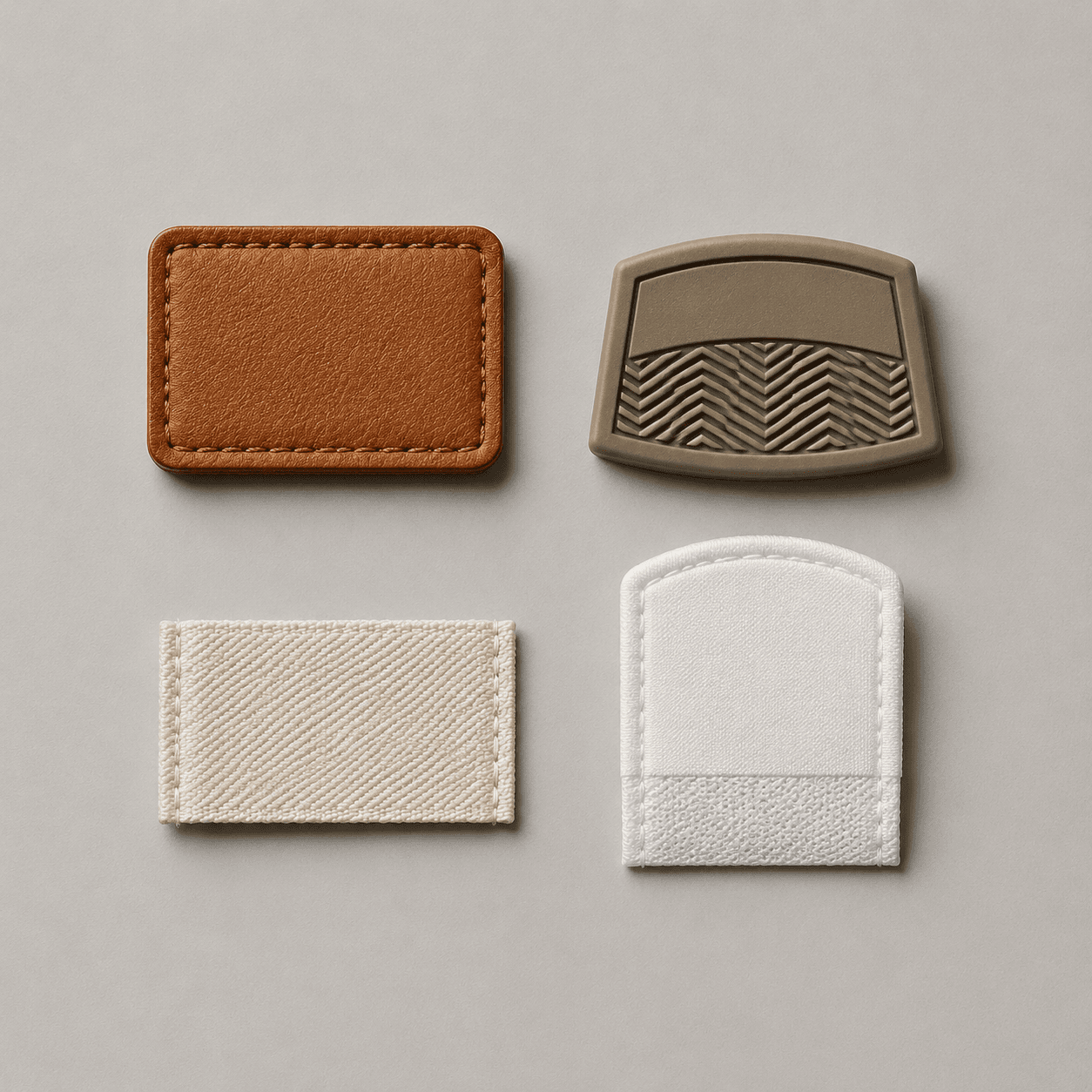
In China footwear sourcing, shoe mold can mean different things to different people. A merchandiser may quote only the outsole mold. A development manager may assume it also covers the last, size grading, logo insert, trial shots, and first correction round. If that scope is not defined at RFQ stage, buyers typically lose 10 to 20 days and add avoidable cost before the first bulk PO is approved.
For sourcing managers and importers, the right question is not “What is the mold fee?” but “What tooling route supports my target FOB, MOQ, fit standard, and reorder volume?” A custom bottom that looks acceptable on a quotation sheet can still be a poor sourcing decision if it increases MOQ from 1,000 pairs to 2,500 pairs per color, adds USD 0.45 to 1.10 per pair in first-year amortization, or forces a second fit round because the last and outsole geometry were approved out of sequence.
This guide follows the order Chinese footwear factories actually work in: define tooling scope, lock the last, evaluate outsole tooling cost by shipped volume, build the timeline around confirmation rounds, control quality and compliance at mold stage, and negotiate ownership and rebate terms before releasing payment. The focus is practical, supplier-side, and specific to footwear production.
The right tooling decision is not the lowest mold quote; it is the one that keeps fit stable, MOQ workable, lead time predictable, and tooling burden acceptable at real shipment volume.
Define the shoe mold scope before you request pricing
Start by separating each tool instead of asking for one combined shoe mold number. In a typical factory quotation, the last, outsole mold, CMEVA or phylon midsole mold, footbed mold, logo plate, and size inserts are separate cost items unless the supplier clearly states a package scope. If you do not split these items at RFQ stage, the first quote often looks low and the total development cost rises later through add-on charges.
Tooling scope depends on construction. A basic cemented casual sneaker may need only a last and outsole tooling if the midsole is cut from stock EVA sheet. A cupsole sneaker may use an existing foxing wall but still require a revised last and new size inserts. An injected EVA clog, PU direct-injection safety shoe, or vulcanized canvas shoe follows a different tooling route again, with mold design linked directly to machine type, cavity count, and demolding requirements.
Factories usually check existing bottoms first because opening a new outsole tool increases both lead time and MOQ. For slippers, low-complexity sandals, vulcanized canvas, and entry casuals, adapting an existing outsole can reduce development by 7 to 15 days and keep opening MOQ around 600 to 1,200 pairs per colorway. For sport, outdoor, work, and branded lifestyle footwear, buyers more often need custom outsole tooling because tread geometry, sidewall identity, and fit-to-bottom matching are harder to compromise.
- State construction clearly: cemented, strobel, cupsole, vulcanized, direct injection, cold cement, or direct attach
- List the tooling required: last only, outsole only, last plus outsole, or full bottom package
- Declare bottom material and target hardness, for example rubber 60-68 Shore A or TPR 55-65 Shore A
- Give the full size range at quotation stage, such as EU 36-41 or EU 40-46
- Ask whether the quote includes logo insert, texture engraving, color plugs, size marks, and first trial shots
What suppliers usually mean by outsole tooling
In supplier terms, outsole tooling normally means the steel or aluminum mold used to form the outsole, including tread machining, sidewall details, logo recesses, venting, and size scaling. It often does not include the last, footbed mold, phylon tool, or extra metal inserts for different logos and color blocks.
If the shoe uses a molded CMEVA or phylon midsole plus a separate rubber outsole, expect at least two tooling discussions and often two lead times. In many China factories, the phylon tool and outsole tool are cut by different vendors, which is why buyers who treat all bottom tooling as one item usually underestimate both cost and schedule.
Lock the last first because fit mistakes are costlier than mold charges
The last is the foundation of the shoe. It controls insole length, toe spring, heel seat shape, vamp height, forepart girth, instep volume, and upper lasting tension. When the last is wrong, the sample can still look acceptable in photos, but bulk fit consistency becomes unstable. The factory then spends extra time correcting upper patterns, sock length, toe puff position, and bottom matching instead of preparing the line for production.
Most factories offer three routes: use a stock last, modify an existing last, or develop a new one. A stock last may be free on commercial casuals if it matches your target silhouette. A modified last is often USD 300 to 800 per graded size set. A fully new last for running, hiking, safety, or orthopedic-sensitive categories is more commonly USD 800 to 2,000, and can exceed that if 3D last development, two fit rounds, or alignment with a steel toe cap is required.
When reviewing shoe last tooling cost, ask exactly what the fee includes. Some factories include only one base-size sample and one correction. Others include a base-size fit sample, one revised last, full grading after approval, and one matching check against the production outsole. That difference matters. On men’s sport styles, the base size is often EU 42. On women’s fashion or casual programs, EU 37 is typical. If the base size is approved too early, the same fit error is reproduced across every graded size.
In safety footwear, children’s shoes, and performance product, last control is also a compliance matter. If the shoe is intended to meet EN ISO 20345, ASTM F2413, or internal comfort benchmarks, the last has to work with toe cap clearance, heel hold, insole coverage, and bottom geometry from the start. A low last fee is not a saving if it creates a second outsole correction round later.
- Approve a physical base-size fit sample before full grading starts
- Check insole length, ball girth, toe box height, toe spring, heel grip, and vamp pressure
- Confirm whether the last is exclusive to your program or shared with other customers
- Ask whether fit samples use the production bottom geometry, not a sample-room substitute sole
Calculate outsole tooling by cost per pair, not by total fee alone
Once the last is stable, evaluate the shoe mold the way the factory finance team does: as a per-pair burden spread over realistic shipped volume. Buyers often receive outsole mold quotes in the range of USD 1,500 to 6,000 for mainstream footwear, but the more useful number is the amortized cost over the first 12 months. That tells you whether a custom bottom fits your target FOB and order plan.
Material choice drives both tooling complexity and finished pair cost. A simple TPR outsole is usually cheaper to tool than a detailed rubber outsole with multiple hardness zones. TPU gives sharper branding and edge definition, but raw material cost is higher and process control is tighter. Solid rubber usually gives stronger abrasion performance and better heat resistance, but cure stability and shrinkage must be controlled carefully. For foamed EVA or phylon midsoles, ask for target density and tolerance instead of accepting general terms like lightweight. In commercial athleisure and running products, densities around 0.18 to 0.25 g/cm3 are common for lighter compounds, while 0.25 to 0.35 g/cm3 is more typical where support and lower compression set are needed.
Size range changes the mold package materially. A bottom program for EU 39-45 is not one universal block. It is a set of scaled sizes, inserts, or separate cavities depending on the factory setup. A wider range increases total tooling cost and can reduce machine efficiency on small opening runs. That is why opening full custom outsole tooling for only 2,000 to 3,000 pairs is often inefficient unless the product has a higher FOB, limited direct competition, or clear repeat potential.
The math is simple and should be done before approval. If outsole tooling costs USD 3,200 and the first-year shipment is 4,000 pairs, the burden is USD 0.80 per pair before maintenance, confirmation samples, and scrap. If the same program reaches 12,000 pairs, the burden drops to about USD 0.27 per pair. On a shoe targeting FOB USD 8.50, that difference is meaningful.
- 01Request three quotations: stock outsole, modified outsole, and full custom outsole tooling
- 02Ask how many cavities, size molds, and logo inserts are included in each option
- 03Convert the tooling fee into amortized USD per pair using realistic 12-month shipped volume
- 04Check whether future colorways can run on the same mold without new insert charges
- 05Confirm mold life, expected maintenance, and re-machining triggers before approval
Typical supplier-side cost logic
For casual export footwear, some factories will absorb or rebate outsole tooling once shipped volume reaches 5,000 to 10,000 pairs per style, depending on margin, complexity, and how many colorways share the tool. Below that volume, they usually charge the mold separately because the FOB cannot recover it cleanly without becoming uncompetitive.
If the outsole includes translucent windows, split-color injection, carbon-rubber wear pads, shank interfaces, or outdoor lugs deeper than about 4.5 to 6.0 mm, ask the factory to price those features separately. Small visual changes on CAD can add real cost through slower cycle time, more flash risk, and higher scrap on first production runs.
Build the timeline around confirmation rounds, not machining days
A common sourcing mistake is to treat machining days as the full development schedule. A factory may quote 12 to 18 days to open an outsole mold, but that covers only the metalwork. The actual calendar includes engineering review, CAD approval, last correction, mold opening, bottom trial shots, upper-bottom matching, fit review, and commercial sample sign-off.
For a custom China program, a realistic sequence is often 3 to 5 days for engineering review, 7 to 12 days for last correction if needed, 12 to 20 days for outsole tooling, and 7 to 14 days for assembled samples after the mold is ready. If the first fit needs one correction round, add 7 to 10 days. If material testing is required before bulk approval, add another 5 to 12 days depending on the lab plan. In practice, many custom programs need 30 to 45 days before they are truly bulk-ready.
The biggest delay usually comes from upper-to-bottom mismatch. The outsole can match the CAD drawing but still fail at assembly if sidewall height, feather line, heel seat angle, or toe spring do not match the lasted upper. This is why experienced buyers approve both the bottom shot and the assembled fit sample before releasing bulk upper materials or confirming ex-factory dates.
Testing should be built into the schedule early, especially for performance, occupational, and children’s footwear. Typical checkpoints include slip resistance, abrasion, flexing, hydrolysis for PU-based components, bond strength, compression set, odor, and restricted substance screening. For EN ISO or ASTM-governed categories, geometry and material should be frozen together before final approval.
- Lock 2D outsole dimensions, tread depth, and size grading before steel cutting starts
- Approve the bottom-shot sample and the wear-fit sample as separate milestones if needed
- Reserve 7 to 10 extra days for one fit correction round on custom bottoms
- Do not buy bulk upper materials until tooling confirmation is signed by both sides
Control quality and compliance at mold stage while changes are still cheap
A weak mold creates expensive bulk problems. Flash, shallow tread, poor venting, short shot, uneven shrinkage, and unstable piece weight all start at tooling stage, not at final inspection. Once the factory has cut uppers, mixed compounds, and booked production capacity, each tooling correction becomes slower and more expensive.
Set measurable checks when the first trial bottoms come out. For outsoles, that usually means piece weight tolerance, Shore A hardness, critical dimensions, logo clarity, tread depth, and cavity-to-cavity consistency. For EVA or phylon parts, request density, shrinkage tolerance, and compression behavior. For strobel cloth, insole board, or laminated bottom-facing textiles that affect the bottom build, supplier-side specifications such as 120 to 220 GSM are more useful than general descriptions like heavy fabric or strong backing.
If compliance matters, insist that testing uses production-intent compounds. A sample-room rubber or substitute foam can feel acceptable in hand but still fail abrasion, flex, slip, or compression tests later. Where the product targets EN ISO 20345, ASTM F2413, or buyer-specific standards, the same material recipe approved in development should be locked into bulk production control sheets.
Also define mold maintenance responsibility. A shoe mold needs vent cleaning, cavity polishing, insert replacement, and occasional correction after repeated runs. If that responsibility is vague, repeat orders can be delayed by unexpected maintenance fees or by the factory prioritizing newer tools with better utilization.
Short approval checklist before bulk authorization
Use a compact approval checklist so development, merchandising, and production teams sign off on the same points.
Negotiate ownership, MOQ, and rebate terms before you pay tooling
Commercial terms around a shoe mold matter as much as technical terms. Many factories say the mold belongs to the customer once it is paid for, but that statement is incomplete unless you also define storage, exclusivity, CAD ownership, maintenance, and transfer rights. If you move production later, the practical value of ownership depends on whether the tool can be released quickly and whether the receiving factory can run it on compatible equipment.
If expected volume is moderate, amortization is often better than arguing only for a lower up-front charge. A common arrangement is partial payment during development and recovery through FOB over the first 5,000 to 10,000 shipped pairs. Some casual factories instead offer a rebate after the quantity target is reached. The important point is to write the trigger clearly: shipped quantity, not forecast quantity; FOB credit or cash rebate, not an undefined future discount.
MOQ should be confirmed at the same time. A stock outsole may allow 600 to 1,200 pairs per colorway in some casual programs. A fully custom bottom more often pushes workable MOQ to 1,500 to 3,000 pairs per colorway, and sometimes higher for rubber-heavy or multi-color injected constructions. If the supplier accepts a lower MOQ, the trade-off is usually a higher FOB, separate mold charge, fewer colors, or a tighter size spread.
Also discuss inactive storage periods. Seasonal products such as sandals, snow boots, or fashion capsules often reorder after 6 to 12 months. Many factories store molds free for one year and then charge a refurbishment or storage fee before the next run. That should be agreed before payment, not when you need a repeat order quickly.
- 01Define ownership of the last, outsole mold, CAD data, logo inserts, and size molds
- 02State whether the tooling is exclusive to your brand or can be reused by the factory
- 03Write the rebate or amortization formula into the purchase terms with shipment-based triggers
- 04Confirm MOQ by colorway and size run before approving custom tooling
- 05Agree the storage period, maintenance charges, and mold-release conditions in advance
Key takeaways
- Define the last, outsole tooling, midsole tools, inserts, and trial shots as separate cost items before RFQ approval.
- Lock the last before freezing the outsole, because fit corrections after tooling are slower and more expensive.
- Convert every shoe mold fee into amortized USD per pair using realistic first-year shipped volume and MOQ.
- Plan 30 to 45 days for a custom tooling program once fit review, trial shots, and testing are included.
- Use measurable mold-stage controls such as Shore A hardness, foam density, tread depth, piece weight, and GSM where bottom-facing textiles are involved.
- Put ownership, rebate, maintenance, storage, exclusivity, and transfer terms in writing before paying tooling charges.
SoleForge manufactures athletic & running shoes and sandals & slippers under OEM and ODM for brands and importers worldwide. Request a quote with your tech pack or reference pair and we'll reply within one business day.