For China footwear sourcing, the choice between small batch footwear production and bulk volume should be made from the BOM, tooling status, material MOQ, line setup, testing scope, and sales forecast. A 500-pair test order can limit inventory risk, but it also carries higher cutting waste, weaker material buying power, and more setup cost per pair. A 10,000-pair bulk order can reduce FOB sharply, but only when the last, outsole, size grading, packaging, compliance file, and reorder forecast are already stable.
From the factory side, every shoe order consumes mold capacity, cutting dies, color lots, stitching line time, lasting and cementing setup, adhesive control, packaging inventory, QC manpower, and export carton space. If the order is below the efficient threshold for that construction, the same preparation work is spread across too few pairs. If the order is scaled too early, the importer may save $2.00 per pair at FOB and lose much more through markdowns, late fit corrections, claims, or dead stock.
This specification and cost breakdown explains when low MOQ shoes are commercially useful, when bulk shoe manufacturing is the correct model, and how to use pilot run footwear before scaling shoe production. The ranges are based on normal China export production for casual sneakers, vulcanized shoes, sandals, EVA injection, leather casuals, boots, and lightweight athletic footwear.
MOQ is the point where footwear materials, molds, labor minutes, testing, packaging, and forecast quality either support the program or make every pair carry unnecessary cost.
Small-batch footwear production at factory level
Small batch does not mean one MOQ across all footwear. A canvas vulcanized shoe using a stock rubber sole and standard eyelets may be workable at 300 to 600 pairs per colorway. A cemented sneaker with an existing phylon or rubber outsole usually needs 500 to 1,000 pairs per style/color. EVA injection slides, clogs, and one-piece sandals often need 1,200 to 3,000 pairs because color purge, compound loss, and machine setup cannot be reduced much. Leather casual shoes and stitched boots may start at 200 to 500 pairs, but the labor minutes, material sorting, and inspection cost per pair are higher.
The lowest-risk small batch uses existing factory assets: an available last, a stock outsole mold, standard lining, standard strobel board, normal lace lengths, reusable logo methods, and packaging dimensions already in production. A 400-pair order with a new rubber outsole mold, custom TPU badge, dyed-to-match mesh, proprietary outsole compound, and custom retail box is not a normal low MOQ program. It is a development project with a small production quantity attached.
The commercial purpose of small batch footwear production is controlled validation. It is useful for a first market test, regional launch, online drop, color trial, or size-curve check. The buyer pays a higher FOB, but avoids committing to unproven sizes, colors, and fit assumptions. That premium is acceptable when it is planned in advance and measured against inventory exposure.
- 01Use small batch when sell-through is unknown and the style count is high compared with the units per style.
- 02Use small batch when the upper, last, outsole, trims, lining, sockliner, and box can use existing factory or supplier resources.
- 03Use small batch when the risk of overbuying is greater than the FOB premium paid on the first order.
When low MOQ shoes make commercial sense
Low MOQ shoes work best for fashion colors, capsule programs, first retailer tests, regional assortments, and startup launches where demand is not yet proven. If a buyer is choosing between 500 pairs at $14.80 FOB and 3,000 pairs at $12.60 FOB, the lower price is not automatically better. The 3,000-pair order saves $2.20 per pair, but it also adds $31,500 in product value before sea freight, duty, inland trucking, warehousing, and finance cost. If the market accepts only two colors and rejects the rest, the FOB saving is quickly erased.
Factories can support low MOQ more efficiently when the buyer builds on one platform. Three uppers can share the same cupsole, 2.0 mm strobel board, 4 mm open-cell PU sock foam at 0.16 to 0.20 g/cm3, 120 to 180 GSM mesh lining, common lace lengths, and one export carton matrix. The cutting tickets and upper stitching vary, but bottom stock, sockliner, packing method, carton marks, and QC criteria remain stable. This is the difference between a manageable small batch and six separate micro-orders.
Low MOQ is also useful when compliance must be checked before a national rollout. If the destination requires EN ISO 20344 physical test references, EN ISO 20347 occupational footwear properties, ASTM F2913 slip resistance, CPSIA-related component documentation, REACH SVHC screening, phthalate limits, or retailer chemical protocols, test production materials rather than sample-room substitutes. Bulk mesh, lining, adhesives, sockliner foam, metal trims, and outsole rubber may differ from development samples.
- Stock canvas or vulcanized shoes: usually 300-600 pairs per colorway when sole, foxing, eyelets, and laces are standard.
- Cemented casual sneakers: usually 500-1,000 pairs per style/color with an existing outsole mold and normal upper materials.
- Leather casual shoes or ankle boots: often 200-500 pairs, but price rises because sorting, skiving, lasting, and finishing are labor-heavy.
- EVA injection slides or clogs: usually 1,200-3,000 pairs because compound mixing, color purge, and machine setup are less flexible.
- Typical low MOQ lead time: 35-60 days after final sample approval when no new mold or custom dyed material is required.
Small batch vs bulk footwear production cost drivers
| Component or cost driver | Typical range | Supplier-side notes |
|---|---|---|
| MOQ by construction | Canvas/vulcanized 300-600 prs; cemented sneakers 500-1,000 prs; leather casual 200-500 prs; EVA injection 1,200-3,000 prs | MOQ follows tooling, material lots, machine setup, and whether existing lasts and soles can be used |
| Lead time | Pilot 30-45 days; small batch 35-60 days; bulk 45-75 days | Add time for new outsole mold, custom dyed materials, retailer testing, size-set correction, or custom packaging |
| FOB premium on small runs | Often +$1.20 to +$6.00/pair versus efficient bulk | Premium comes from setup, material waste, lower labor efficiency, short packaging runs, and testing spread over fewer pairs |
| Outsole tooling | Approx. $2,500-$8,000 for many casual mold sets | Complex athletic, multi-density, or multi-part molds can exceed this range |
| Upper material yield | Synthetic/leather often 72%-82% cutting utilization | Panel shape, scars, grain direction, prints, embossing, and shade control affect waste |
| Mesh and lining spec | Common footwear mesh 120-300 GSM | Custom dye lots, spacer mesh, laminated mesh, and engineered jacquard raise MOQ and lead time |
| Foam and sockliner | Open-cell PU 0.16-0.20 g/cm3; 4 mm common comfort layer | Molded PU, latex, memory foam, or recycled foam packages increase cost and may require added testing |
| Outsole hardness or density | Casual rubber often 55-65 Shore A; EVA/phylon controlled by density, compression set, and shrinkage | Hardness and density affect grip, abrasion, flex, comfort, pair weight, and claim risk |
| Labor content | Slides 6-12 min; casual sneakers 18-35 min; boots or technical uppers higher | Stitch count, overlays, skiving, hand finishing, cementing, and lasting difficulty drive minutes |
| Testing allocation | Approx. $0.10-$0.60/pair when spread over volume | May include adhesion, flex, abrasion, colorfastness, slip, hydrolysis, restricted substances, and carton drop |
| Packaging | Approx. $0.35-$1.20/pair for common export retail pack | Custom boxes, inserts, tissue, hangtags, desiccant, and retailer labels can create separate MOQs |
| Freight efficiency | LCL weaker; FCL improves landed cost per pair | Bulk improves carton planning, container utilization, shipment consolidation, and inland handling cost |
| QC and rework | Higher learning curve on first run; lower after stable repeat production | Pilot data should define cosmetic, major, critical, rework, and reject standards before bulk release |
When bulk shoe manufacturing is the correct model
Bulk shoe manufacturing is the correct model when demand is proven, the technical file is frozen, and the buyer can use material and line efficiency. At higher quantity, the cutting room improves pattern nesting, the stitching line runs longer without changeover, the lasting and cementing teams stabilize their process, outsole suppliers cast or inject more efficiently, and packaging vendors produce boxes, labels, hangtags, tissue, and cartons in normal export lots.
For common export sneakers, the FOB difference between 600 pairs and 6,000 pairs can be $2.00 to $6.00 per pair. The gap depends on outsole tooling, upper material yield, decoration, labor minutes, and packaging. Rubber outsoles benefit from longer mold runs. Mesh and lining suppliers price better when dye lots move from 120 or 200 meters to 500 or 1,000 meters. Printed boxes move from short-run digital or small offset into normal packaging production. Carton loading also improves because the factory can plan pair-per-carton counts by size instead of building mixed small-lot cartons.
Bulk volume improves process control when the shoe is mature. Operators repeat the same stitching, lasting, cementing, pressing, trimming, cleaning, and packing sequence across more pairs. Adhesive open time and oven temperature can be monitored consistently. QC can track defects by station, size, and operator before the lot is packed. This matters where bond strength, toe spring, outsole hardness, pair weight, heel counter position, and logo placement must remain consistent across the size curve.
Bulk thresholds by footwear category
A simple PVC or EVA slide may become efficient at 3,000 to 5,000 pairs. A cemented casual sneaker often shows clear cost improvement at 2,000 to 3,000 pairs and better line stability above 5,000 pairs. A technical running shoe with laminated mesh, welded overlays, molded phylon midsole, rubber traction pods, TPU shank, and custom packaging may need 8,000 to 15,000 pairs across colors and sizes before the program reaches full efficiency.
Sourcing managers should ask for a price ladder instead of one MOQ. Useful breakpoints are 300, 500, 1,000, 3,000, 5,000, and 10,000 pairs. The price movement between these points shows whether the main pressure is material MOQ, tooling amortization, labor setup, packaging, or testing allocation.
Cost drivers to separate before comparing quotes
A weak comparison looks only at one small-batch price and one bulk price. Footwear costing should be separated into one-time charges, repeat pair cost, compliance cost, and logistics impact. Otherwise the buyer may think the factory is quoting inconsistently when the real issue is that a mold, dye lot, box run, or lab package is being spread over too few pairs.
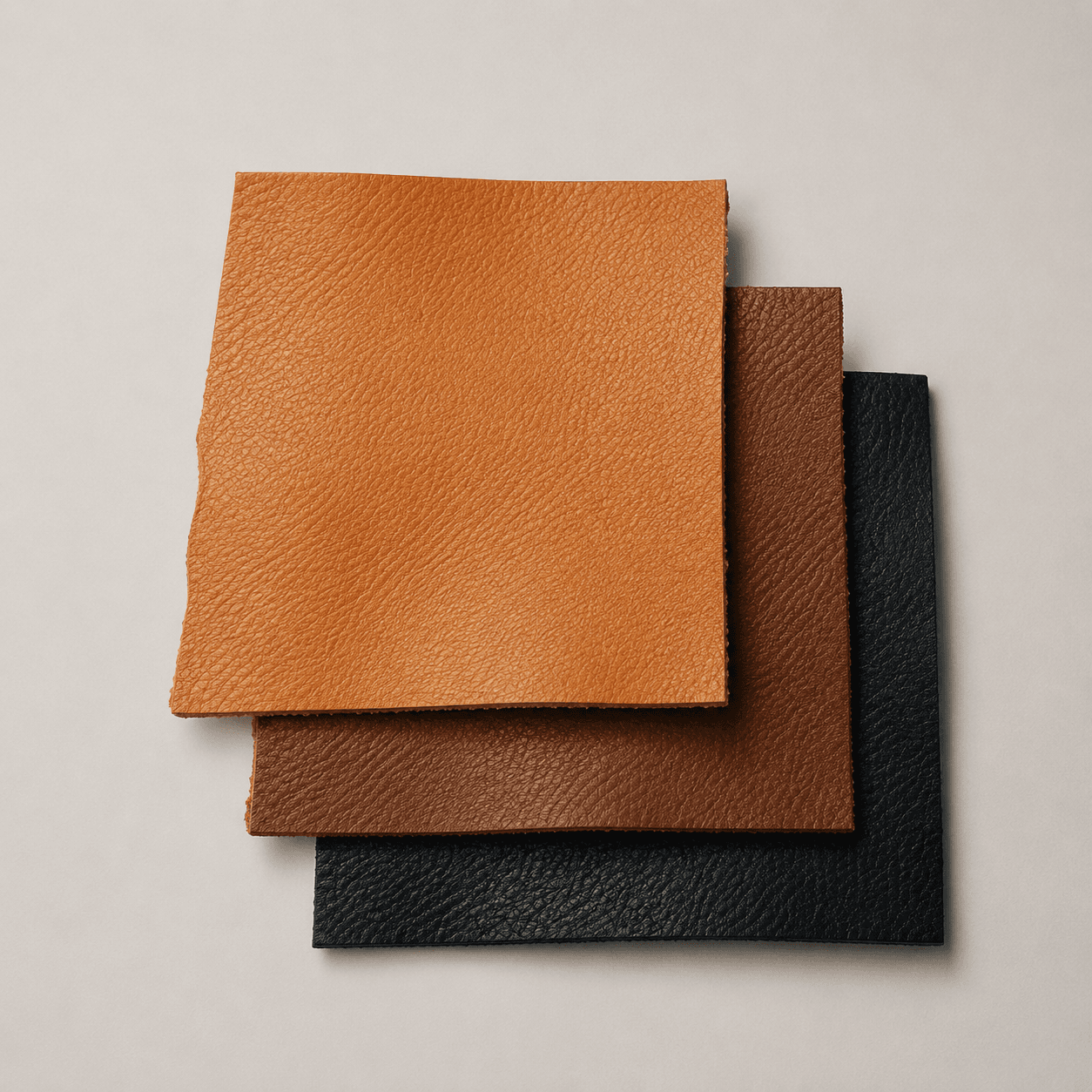
Upper material yield is a primary driver. Synthetic leather at 1.2 to 1.4 mm thickness may cut at 72% to 82% utilization depending on panel shape, grain direction, embossing, and defect allowance. Action leather, suede, and nubuck can be lower because scars, loose grain, and shade variation must be avoided. Mesh may look cheaper per meter, but laminated mesh, printed mesh, spacer mesh, and directional jacquard create waste. Common footwear mesh weights range from 120 to 300 GSM; heavier engineered mesh can change both price and stitching performance.
Bottom construction drives both cost and MOQ. A stock rubber cupsole with a sidewall logo print is different from a new full mold. A custom outsole mold set for many casual categories can run $2,500 to $8,000, with complex multi-part athletic tooling above that. A casual rubber outsole may be specified at 55-65 Shore A. EVA or phylon should be controlled by density, compression set, shrinkage, and rebound, not only by hand feel. A basic sockliner may use 4 mm open-cell PU at 0.16 to 0.20 g/cm3; molded PU footbeds, latex foam, memory foam, or recycled foam packages increase cost and may require additional test evidence.
Testing is small as a percentage of a bulk order but large as a gatekeeper. Adhesion, flexing, abrasion, colorfastness to rubbing, hydrolysis screening for PU, restricted substances, and slip resistance under EN ISO or ASTM methods may add $0.10 to $0.60 per pair when spread over volume. On a 300-pair pilot, the same lab invoice looks expensive. On a 10,000-pair order, it is normal risk control.
- 01Separate one-time charges: outsole molds, cutting dies, logo molds, size grading corrections, artwork plates, color standards, and lab setup.
- 02Separate repeat pair costs: upper materials, lining, strobel board, sockliner foam, outsole compound, labor minutes, packaging, QC, and freight cube.
- 03Check breakpoints at 300, 500, 1,000, 3,000, 5,000, and 10,000 pairs to see where the real cost reduction appears.
- 04Confirm whether the quoted FOB includes export carton, inner box, labels, desiccant, hangtag, polybag if required, testing allocation, and normal AQL inspection support.
How pilot run footwear should be specified
A pilot run footwear order sits between salesman sample approval and true bulk release. It should use production materials, production cutting dies, actual stitching operators, the real adhesive system, actual outsole stock, final box construction, barcode labels, and export cartons. If the pilot is made like a sample-room exercise, it will not predict bulk performance.
For most importers, 200 to 800 pairs is enough to validate workmanship, size grading, packing, barcode accuracy, carton marks, and inspection flow. The pilot should include a full size run and the intended size ratio, not only the middle sizes. Many footwear problems appear away from the sample size: vamp pressure in EU 40-41, heel slip in women's EU 36, toe puff collapse in small sizes, sole edge mismatch in larger men's sizes, or lace length failure at the top size.
A disciplined pilot includes 2 to 4 weeks of wear testing, internal flex checks, bonding review, and a lab package matched to the destination market. Common checks include outsole adhesion, sole flexing, color migration, lace pull, eyelet strength, heel counter stiffness, outsole hardness tolerance, pair weight variance, carton drop resistance, and rub fastness on lining and sockliner. For cemented shoes, bond strength after aging should be reviewed. For PU components, hydrolysis screening is important for humid markets or long warehouse storage.
- Typical pilot quantity: 200-800 pairs, including full size grading and the planned size ratio.
- Typical pilot lead time: 30-45 days after material booking when the last, outsole, and artwork are confirmed.
- Useful pilot targets: zero critical defects, major defects within agreed AQL, and recurring cosmetic issues recorded by station.
- Best use: confirm fit, process, packaging, and compliance before moving to 2,000-5,000 pairs or larger bulk releases.
Planning the move from small batch to bulk
Scaling shoe production should be planned before the pilot finishes. The buyer and factory should pre-align material forecasts, outsole supplier capacity, carton artwork, barcode files, inspection criteria, and shipping windows. If the pilot passes but the mesh supplier needs 25 days for dyeing, the rubber outsole supplier needs 20 days, and the box vendor needs 12 days after artwork approval, the bulk launch still slips.
The cleanest scaling path is platform discipline. Instead of ten 500-pair colorways with different soles, linings, laces, sockliners, boxes, and carton sizes, a stronger program may use four 2,500-pair commercial colors sharing the same last, outsole, 2.0 mm strobel board, 4 mm PU sock foam, label position, and carton matrix. The buyer still gets assortment, but the factory gets stable production and fewer claim points.
For startup shoe manufacturing, scaling may require simplifying the design until sales justify custom investment. A molded TPU badge can be replaced by heat transfer, debossing, or woven label. A new outsole mold can wait until the second reorder. A custom jacquard upper can be replaced by stock 180-220 GSM mesh plus print or embroidery. These changes are not downgrades when they protect cash flow, shorten lead time, and keep the shoe within target FOB.
Quality requirements should become more precise as volume rises. Bulk orders need a frozen tech pack, approved fit sample, size set confirmation, BOM version control, material swatches, color standard, AQL plan, and shipment inspection instructions. Foam density, mesh GSM, outsole hardness, lace length, carton dimensions, label position, and barcode format should not be left to reorder interpretation.
Signals that a style is ready for bulk
A style is ready for bulk when fit complaints are low across the size curve, pilot defects are stable and mostly cosmetic, key materials are available for repeat orders, compliance tests are passed or scheduled, and the buyer can forecast at least one reorder cycle. If these conditions are missing, a large PO may lower FOB while increasing total landed risk.
A practical path is 300 to 800 pairs for pilot validation, then 2,000 to 5,000 pairs for the first commercial release, then annualized bulk buying after the second sales cycle. This staged method gives the buyer market data and gives the factory enough continuity to improve cost and quality.
Supplier-side negotiation points that matter
Negotiation should focus on the production architecture, not only the pair price. Ask which components are MOQ-sensitive. Ask whether the outsole mold exists in the required size range. Ask whether leather, mesh, lining, laces, sockliner foam, labels, or boxes can be pooled across several SKUs. Ask where the pattern wastes material or where stitching operations slow the line. A factory can often reduce cost faster by standardizing components than by cutting margin.
Lead time is negotiable only when inputs are controlled. A buyer with final artwork, frozen material codes, approved fit sample, confirmed size range, and clear test standards can often secure a 45 to 60 day bulk window for standard cemented shoes. A buyer still changing collar foam thickness, box print, outsole logo, lining color, or lace type after deposit will lose time regardless of the promised schedule.
Compliance must be priced before the PO. If the order needs ASTM F2913 slip testing, EN ISO 20344-related physical properties, EN ISO 20347 occupational footwear references, REACH SVHC screening, phthalate limits, California Proposition 65 review, or retailer-specific chemical protocols, those requirements belong in the tech pack and quotation. Adding them after material booking can force substitutions, retesting, and shipment delay.
Payment terms follow risk. On low MOQ orders with custom molds or non-reusable materials, suppliers normally require a higher deposit because leftover components cannot be transferred to another buyer. On repeat bulk orders with stable forecast, passed inspections, and low claim history, the factory may support better terms or reserve material capacity. The buyer earns that flexibility through predictable specifications and clean approval discipline.
SoleForge manufactures casual sneakers and sandals & slippers under OEM and ODM for brands and importers worldwide. Request a quote with your tech pack or reference pair and we'll reply within one business day.