Sustainable footwear manufacturing is a sourcing decision, not a slogan. For bulk buyers in China, the real trade-off is between lower-impact materials and the realities of factory execution: MOQ, lead-time, bond reliability, defect rate, and whether the shoe still passes the required EN ISO or ASTM tests after the sustainability change is added.
In practice, the biggest shifts come from the upper, sole unit, adhesive system, lining, and packaging. A recycled polyester knit, a sugarcane-based EVA compound, a recycled rubber outsole blend, or a water-based cement line all affect cost and process control differently. The question for sourcing managers is which option can be repeated at volume without pushing returns, rework, or late shipment risk above target.
For importers buying from an eco friendly shoes manufacturer, the right comparison is component-by-component. A good program usually combines practical recycled shoe materials, controlled claim language, and testable specs such as foam density, GSM, hardness, abrasion, and flex cycles. The following comparison focuses on what actually matters in bulk production: commercial impact, technical risk, and repeatability.
The most sustainable footwear program is the one a factory can repeat at scale without over-claiming or breaking test performance.
The core trade-off: lower impact versus production stability
Most sustainability changes in footwear improve one part of the footprint while creating pressure somewhere else. Recycled yarn may reduce virgin plastic use, but it can bring tighter shade variation, slightly lower tear strength, or more cutting waste if the fabric backing is unstable. Bio-based foam reduces fossil input, but density drift, shrinkage, and compression set can be harder to hold than on a standard EVA formula.
That is why experienced buyers do not approve sustainable footwear on material story alone. They ask what percentage of recycled or bio-based content can be held at scale, what tests it must pass, and how much the unit cost and lead-time change. In real bulk sourcing, a good sustainable build is usually not the most aggressive one. It is the one that survives production across 3,000 to 30,000 pairs per style with controlled fallout.
A balanced spec is often safer than a full conversion. For example, a recycled polyester upper, a partial recycled rubber outsole, a water-based adhesive where the bond stack allows it, and recycled paper packaging can deliver a credible sustainability step without forcing every component to change at once. That approach usually keeps MOQ and lead-time within commercial range for China production.
- Typical MOQ for practical sustainable programs: 1,200-3,000 pairs per colorway
- Material approval cycle: 7-14 days for swatches, lab dips, and claim documents
- Risk rises sharply when more than 3 core components change in one style
Upper materials compared: recycled polyester, recycled leather, and natural fibers
For athletic and casual products, recycled polyester mesh or knit remains the most scalable option among recycled shoe materials. Chinese mills can supply it consistently, and it works well with cutting, knitting, lamination, and print. Compared with standard polyester, the premium is usually about $0.20-$0.60 per pair, depending on yarn source, knit gauge, backing, and color complexity. MOQ is often manageable at 500-1,000 meters per color on standard constructions, which makes it practical for mid-volume programs.
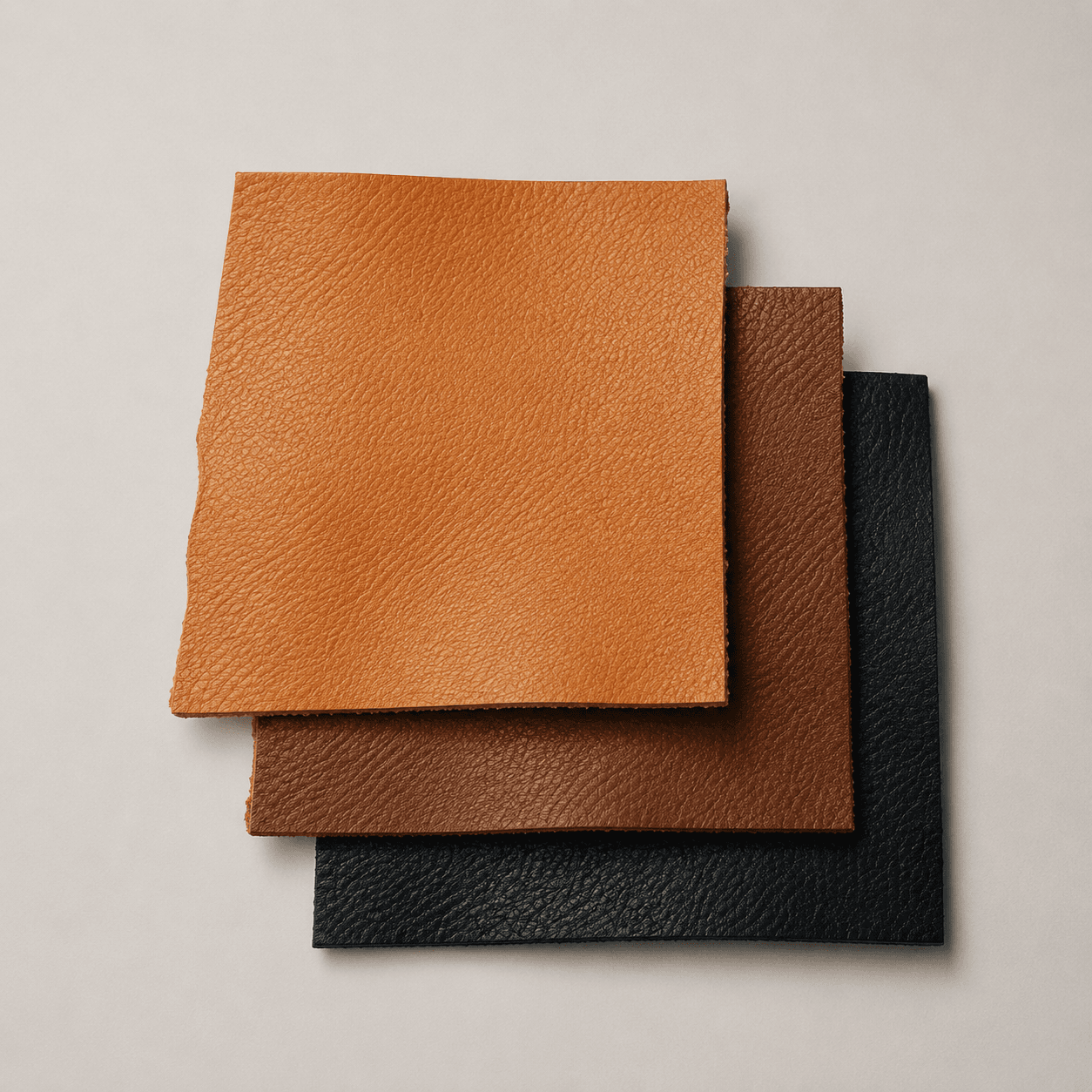
Recycled leather is more specialized. In footwear, it usually means leather fiber or scrap content bonded into a sheet with PU or latex rather than true post-consumer full-grain leather reconstructed into a normal upper. It can work for lifestyle shoes and some sandals, but buyers should test break, hydrolysis, flex, and edge finish carefully. Pricing is commonly $0.40-$1.20 per pair above ordinary synthetic leather. It is best treated as a style-specific material, not a universal substitution.
Natural fibers such as organic cotton canvas, hemp blends, and jute trims are useful in vulcanized shoes and summer casuals. They are simpler to explain in a sustainability claim, but they need tighter process control. Cotton and hemp absorb moisture, vary more in shade, and can stain more easily in factory handling. GSM matters here: a durable canvas upper is often 340-475 GSM, roughly 10 oz to 14 oz. Lighter fabrics may save cost, but they can miss seam strength or abrasion targets once the shoe is worn hard.
What to specify in the upper tech pack
Approve the upper only with measurable data. Call out composition percentage, backing type, GSM or thickness, color tolerance, crocking grade, and minimum physical test requirements. For knit and mesh, request weight, construction details, and lamination method. For leather alternatives, ask for flex and hydrolysis data where the category requires it.
Also confirm whether the material is stock service or custom run. Stock service can save 10-20 days; custom color, embossing, or special backing can add 20-35 days, especially if the mill has to create a new recycled-content batch for your order.
Comparison of sustainable footwear manufacturing options for bulk buyers
| Option | Best use | Typical MOQ | Cost effect | Lead-time effect |
|---|---|---|---|---|
| Recycled polyester upper with standard sole | Sneakers, casuals, knit runners | 1,200-2,500 pairs | +$0.20-$0.60/pair | 0-10 extra days |
| Natural fiber upper with standard or vulcanized sole | Canvas shoes, espadrille-inspired casuals, summer styles | 1,500-3,000 pairs | +$0.30-$0.90/pair | 7-20 extra days |
| Partial recycled rubber outsole or foxing | Casual sneakers, cupsoles, some sandals | 2,000-4,000 pairs | +$0.10-$0.35/pair | 7-15 extra days |
| Bio-based EVA midsole or footbed | Lightweight casual, recovery, injected sandals | 2,000-5,000 pairs | +$0.25-$0.80/pair | 10-25 extra days |
| Multi-component sustainable build | Brands needing stronger claim across upper, sole, lining, packaging | 3,000-5,000 pairs | +$1.00-$2.50/pair | 15-35 extra days |
Sole systems compared: recycled rubber, bio-based EVA, and partial sustainable compounds
Outsole and midsole decisions usually determine whether sustainable footwear manufacturing stays commercially viable. Recycled rubber content is widely used in cupsoles, foxing, and molded outsoles, but there is a practical ceiling. In many programs, 5-15% recycled rubber regrind can be introduced without major loss of abrasion resistance or mold flow. Above that level, surface finish, hardness consistency, and tensile behavior often become less stable, which increases rejection risk.
Bio-based EVA, including sugarcane-derived options, is a strong choice for midsoles, footbeds, and injected sandals when the product brief allows lightweight foam. Density and compression set must be controlled closely. For a light casual sneaker, a density around 0.20-0.25 g/cm3 may be workable; for a denser comfort style, 0.25-0.30 g/cm3 is more common. The supplier should state target hardness, density tolerance, and post-mold stabilization time, then confirm performance after 24 hours and again after flexing.
For large seasonal programs, a standard EVA or rubber base with a controlled percentage of recycled or bio-based input is often the safest route. It usually keeps the mold stable, reduces changeover risk, and maintains easier repeat ordering. That is especially important when the same style must be replenished across multiple months and sizes.
- Recycled rubber content typically adds +$0.10 to +$0.35 per pair
- Bio-based EVA midsoles often add +$0.25 to +$0.80 per pair
- Molded sole development usually needs 25-40 days including trial and adjustment
Adhesives, boards, lining, and packaging: the easiest gains
Some of the fastest sustainability gains sit in the hidden parts of the shoe. Water-based adhesives can reduce solvent exposure and improve line conditions, but they are not a universal replacement. Peel strength, heat resistance, and open time depend on the exact upper and sole stack. A factory should validate the full bond system, not just show a generic adhesive certificate.
Sockliners, strobel cloth, toe puffs, counters, and boards are also practical places to improve the specification without changing the style identity. Recycled PU foam sockliners, recycled polyester lining, or cellulose-based lasting boards can often be introduced with modest cost impact. In many casual shoes, a recycled foam footbed with density around 0.16-0.22 g/cm3 and a recycled mesh lining provides a visible sustainability step while keeping fit and feel stable.
Packaging is usually the lowest-risk area. Recycled cardboard boxes, soy-based inks, fewer polybags, and reduced tissue use lower material consumption without affecting wear performance. If carton size is optimized early, these changes usually add little to FOB and can reduce freight waste as well.
- 01Prioritize hidden components that do not affect fit or bond strength
- 02Test water-based adhesive on the actual upper-outsole pairing
- 03Lock packaging dimensions before bulk to avoid carton and freight waste
Compliance, testing, and claim control
A reliable eco friendly shoes manufacturer should separate environmental claims from performance claims. Buyers need both. On the sustainability side, ask for material declarations, recycled-content support, and restricted substance documentation. On the product side, keep the normal footwear tests in place even if the style uses recycled inputs.
For export programs into Europe and North America, common checkpoints include REACH-related substance control, CPSIA where relevant, and physical testing aligned with EN ISO or ASTM methods depending on the category. Outsole abrasion, upper tear strength, color fastness, flexing, and adhesion should still pass after the material change. If the shoe is occupational or protective, the margin for material substitution is much smaller and should be validated more aggressively.
Claim wording should stay precise. If the upper is recycled polyester and the outsole includes partial recycled rubber, say that directly. Do not market the entire shoe as fully sustainable unless every critical component supports that claim. Over-claiming is one of the most common sourcing mistakes because one good certificate does not make the whole shoe sustainable.
- Request component-level documentation, not just a factory statement
- Match the test plan to construction: cemented, vulcanized, injected EVA, cupsole, strobel
- Run pre-production wear and flex checks before bulk if recycled content is above the factory baseline
Cost, MOQ, and lead-time comparison for China bulk sourcing
The commercial effect of sustainability is uneven. The easiest programs add roughly $0.30-$0.90 per pair and little or no extra lead-time if the materials are in stock. More customized programs, especially those using special compounds or certified mills, can add $1.00-$2.50 per pair and 15-35 days before ex-factory. The difference is usually driven by material availability, not by sewing time.
MOQ is shaped more by material mills and molded parts than by the assembly line itself. Recycled textile uppers can stay flexible if the supplier has greige stock or standard yarn access. Custom outsoles, printed footbeds, and specialty trims push MOQ higher because the upstream supplier needs larger runs to keep cost and shade stable. In many China factories, 1,500 pairs per style is a realistic entry point for a stable sustainable program; 3,000-5,000 pairs often unlock better pricing.
The first order usually costs more in time and risk than the reorder. Cutting yield, adhesive settings, and finishing behavior are still being tuned. A supplier that has already produced the same material family is usually worth a slightly higher FOB if it reduces sampling loops and late shipment risk.
When a premium is justified
A higher FOB is justified when it improves both compliance confidence and repeatability. If the factory can show stable supply, honest claim language, and consistent test performance, then paying an extra $0.50-$1.20 per pair often costs less than a remake, claim dispute, or missed shipment.
If the premium comes from a weak or unproven material with poor batch control, the buyer pays twice: once in price and again in quality risk. That is usually the wrong trade for private label and volume programs.
Verdict: which option fits which buyer profile
For most sourcing managers, the best route into sustainable footwear manufacturing is a staged build, not a full reinvention. Start with recycled polyester uppers or linings, recycled foam where fit is easy to hold, packaging reductions, and moderate recycled or bio-based content in the sole where the factory has proven data. That gives a measurable sustainability improvement while keeping MOQ, lead-time, and defect risk under control.
If the target market is fashion casual or lifestyle, there is more room for natural fibers, recycled leather alternatives, and higher visible sustainable content. If the target market is performance, work, or school footwear, keep the construction conservative and put test stability first. In those categories, partial sustainable content with strong validation is usually the better commercial choice.
The clear verdict is simple: the best sustainable shoe is the one that can be repeated at volume, documented honestly, and delivered on time at the agreed FOB. Buyers who compare options by component, test method, and production behavior will make better decisions than buyers who compare only by sustainability language.
SoleForge manufactures casual sneakers and athletic & running shoes under OEM and ODM for brands and importers worldwide. Request a quote with your tech pack or reference pair and we'll reply within one business day.